EduTravel – Travel as an Education
In my recent newsletter (#2) I wrote about how I turned travel into a form of self-organized direct education through travel experiences (this could be called ‘EduTravel’ which is an aspect of Travelosophy). I took myself to places that intrigued me in order to see for myself what those places were about to sort myth from reality, or truth from fiction …. With that in mind I always made a point of going as open minded as possible.
My experience to date has been that you would always find warm, authentic, hospitable people no matter where you go, but you could also find less pleasant people to varying degrees. That is the reality of life and humanity. I think many travelers would attest that some places definitely stood out above others in terms of how they were received or their interactions with locals.
I have fond memories of all the countries I visited no matter how ‘controversial’ they were at the time or are today. That is considering that I am from a country which itself was considered controversial. It is for this reason that I was intrigued by places that had relevance to the events in my country which were difficult to comprehend on a deeper level (see the newsletter). Through this type of travel I was hoping to obtain insights.
A 20th Anniversary
It is hard to believe that this trip happened 20 years ago, at the end of 2006. A couple of the photos were previously published on my old blogs or sites but below I’m including a wider range of photos, which I think is apt considering that it’s this trip’s 20th anniversary. I decided to group the photos into categories rather than to place them in the sequence they were taken. All pictures were taken with a Canon PowerShot A610.
The segments of text below are my old notes. Some were published on another travel blog a decade or so ago. Other parts I had on file but they weren’t published. I wanted this post to reflect my thoughts as I reflected upon the trip back then rather than rewrite it or add to it, so this article is not the complete story, but I will let the photos tell the rest …
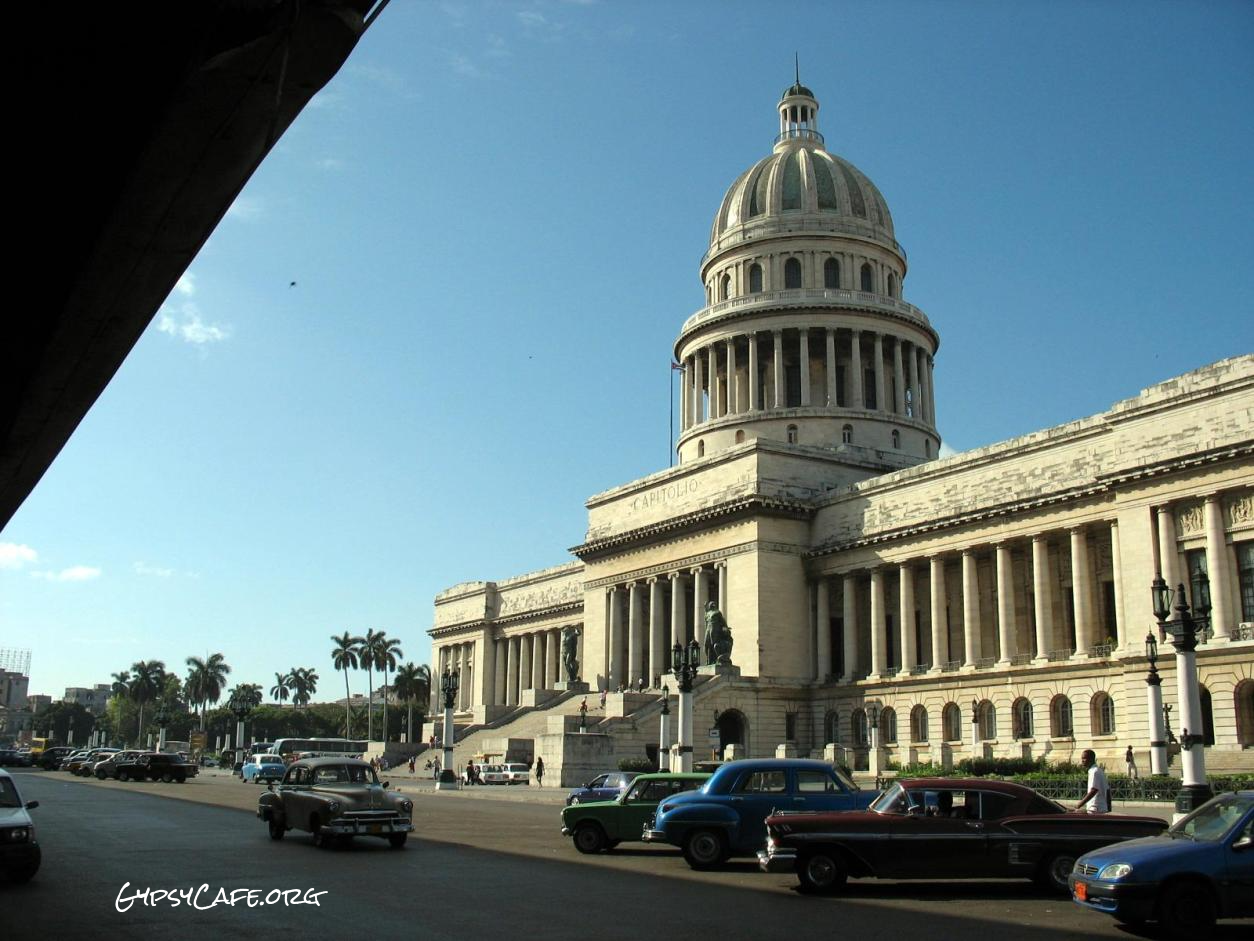
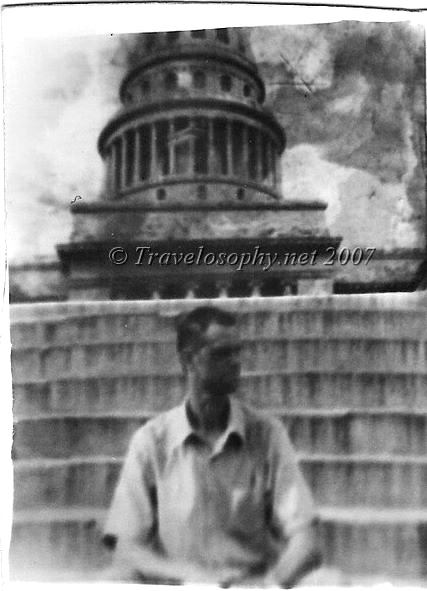
Havana – Around the Capitolio
CUBA – A Final Outpost
[Notes: 2006/2007] Most veteran travelers I know have an ultimate destination that they really aspire to go to. A must do, big deal destination. For some it may be Nepal, for others an overland trip through Africa. It could be a trip to the North or South Pole, or one of the many other fascinating places on planet earth. This makes for excellent debates when fellow travelers get together. They will discuss destinations in depth and excitedly hang on to every word of a person who has actually been there!
Cuba fit that description for me perfectly considering that I had already ticked off several other ultimate destinations, and how could I have not been enticed? It was a type of final outpost in terms of accessibility, but it was also a (very) good way to wrap up a serious cycle of travel. My interest in world affairs and history played a major role as well.
Cuba was for me what I call a beyond borders destination. The kind of place which an explorer might want to engage with so he could see what all the controversy, obscurity or romantic appeal were about. In terms of potential photographic opportunities alone it was a destination of dreams. Although Cuba haunted my traveller thoughts for some time, the decision to actually go was made on short notice.
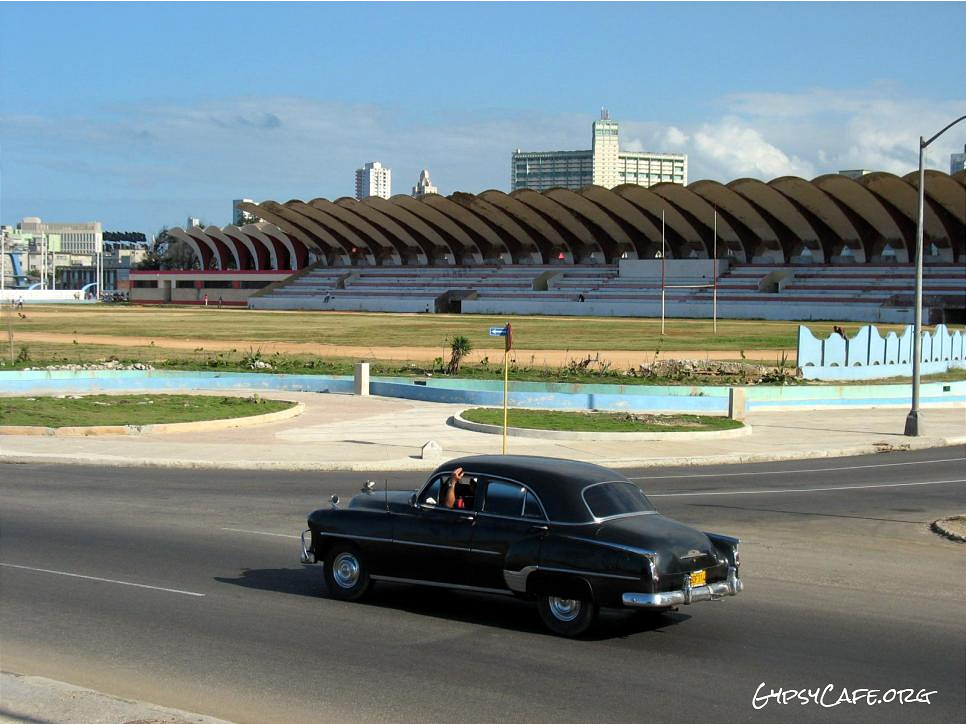
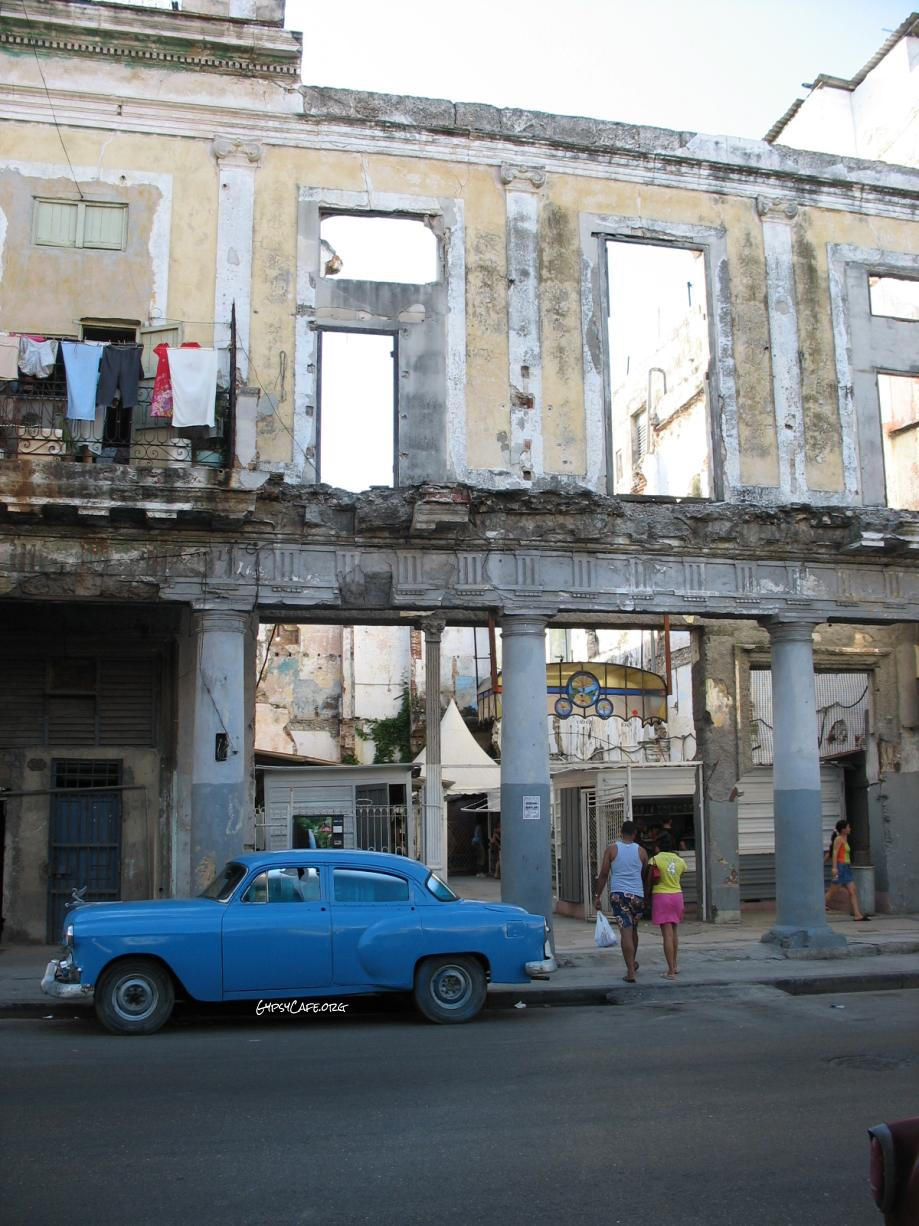
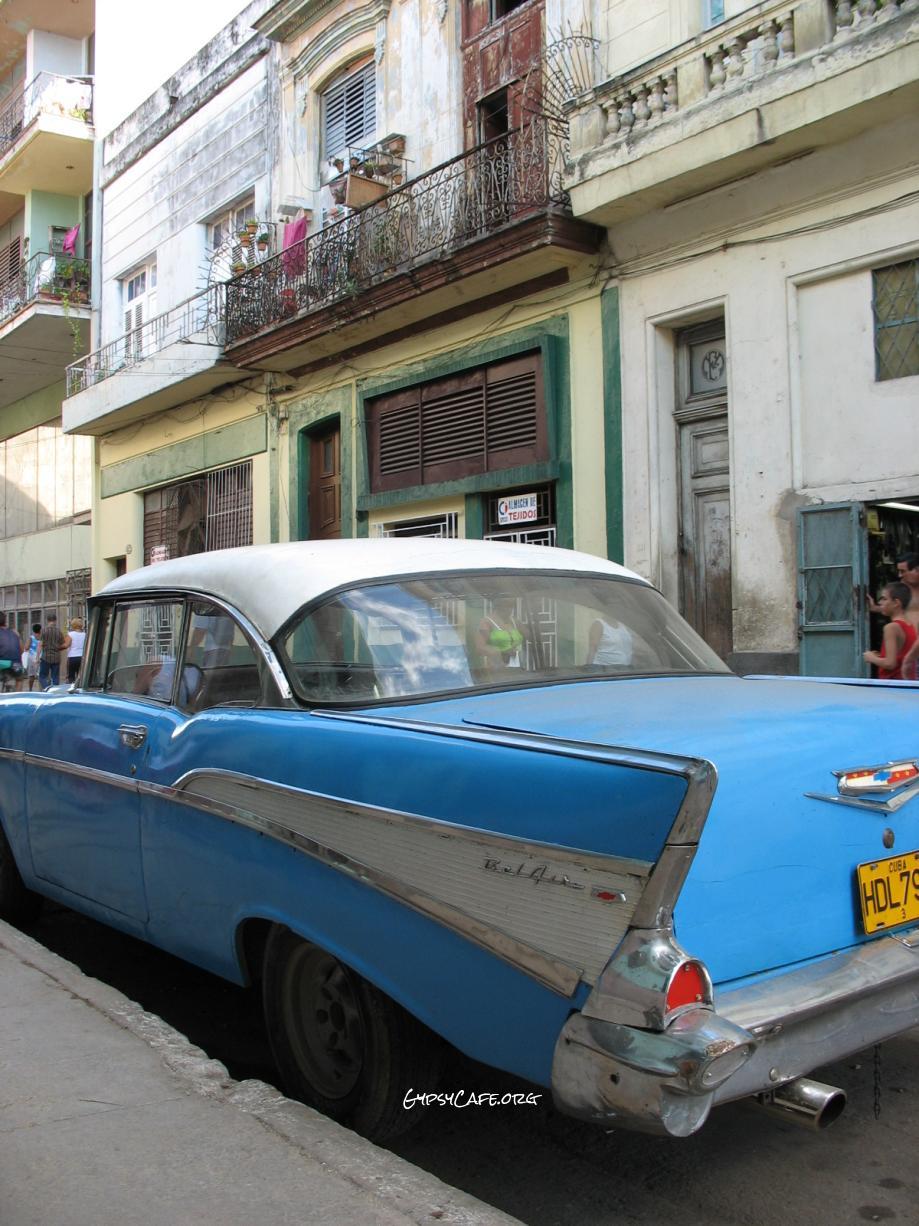
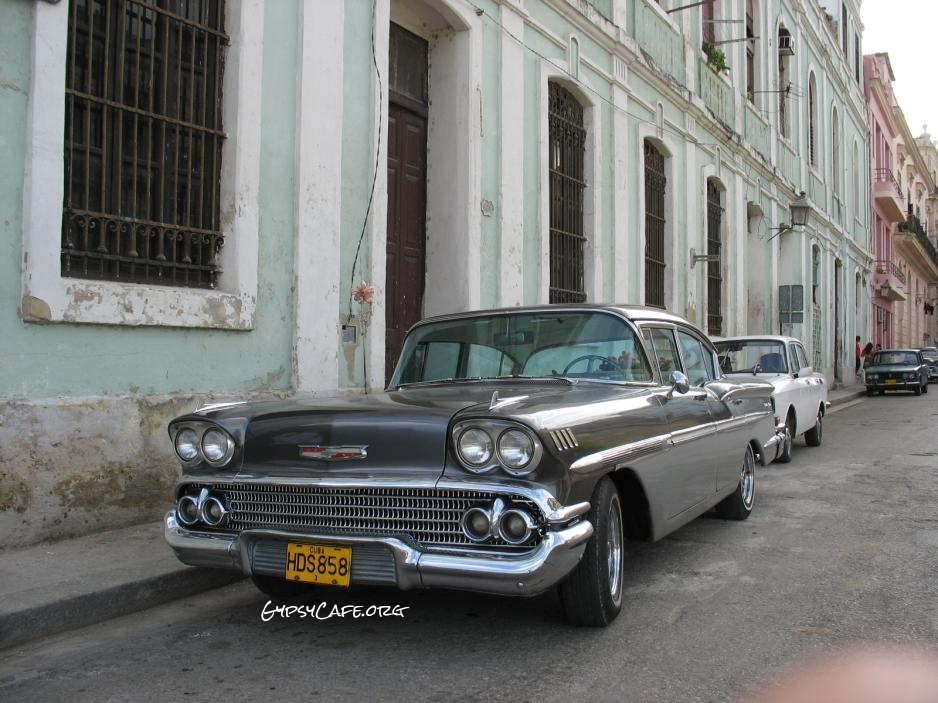
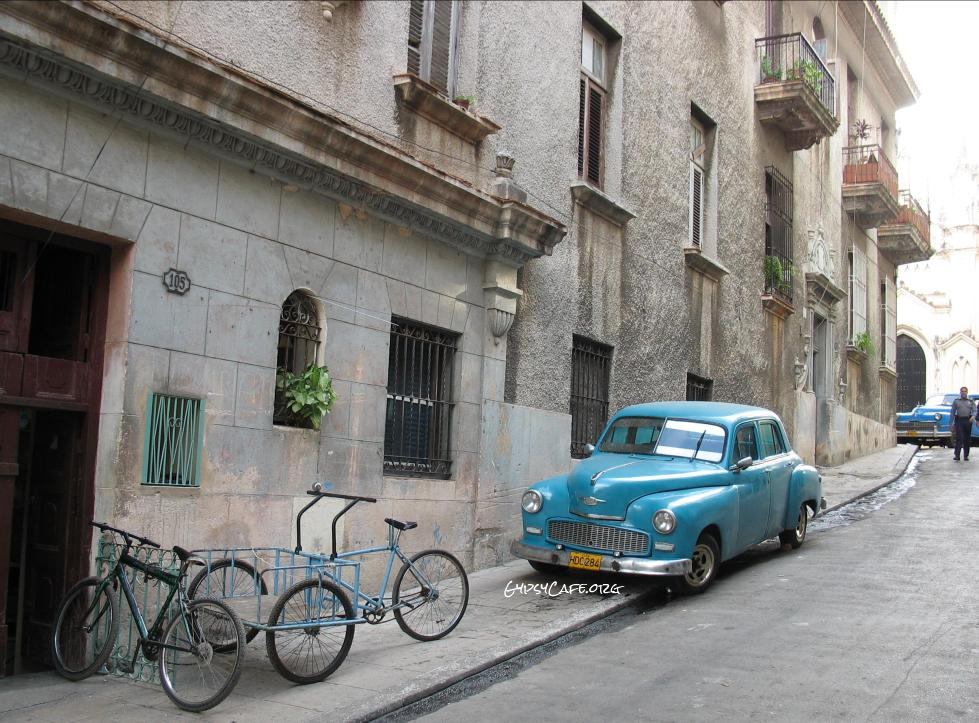
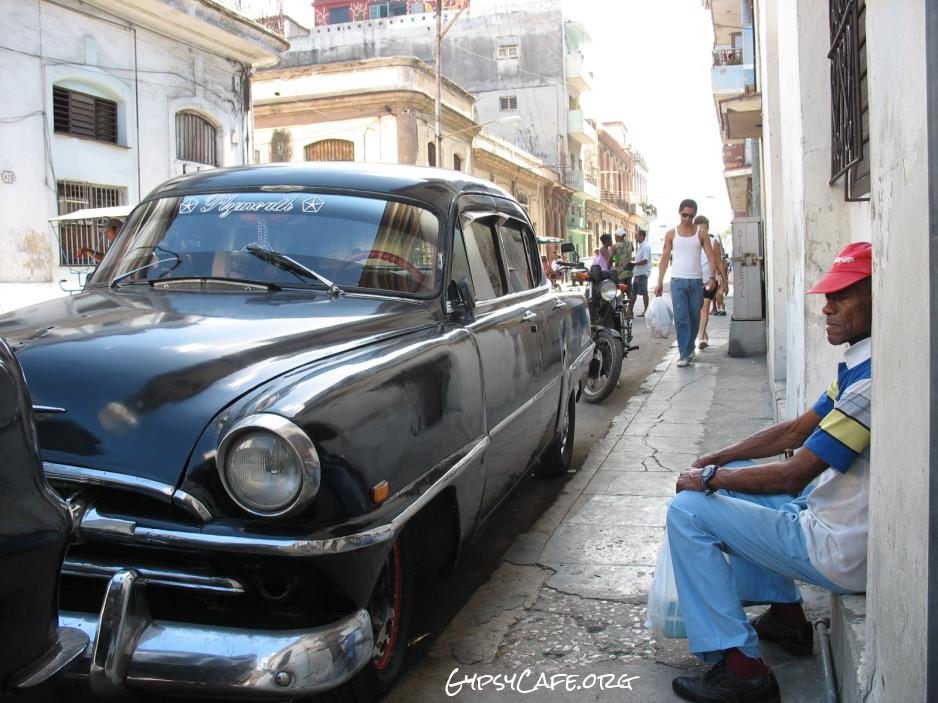
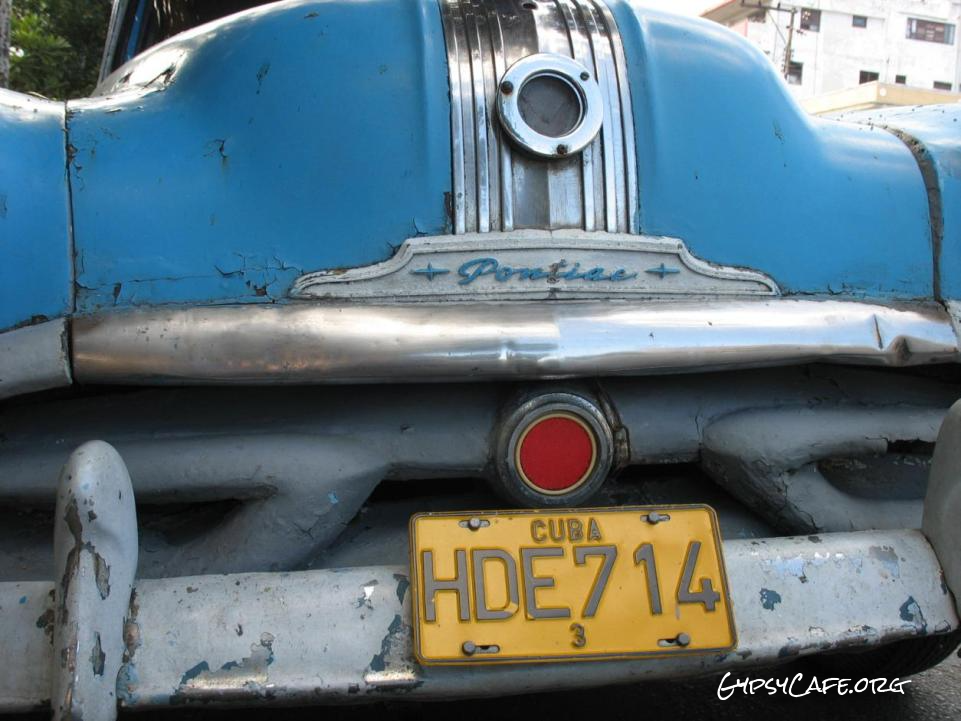
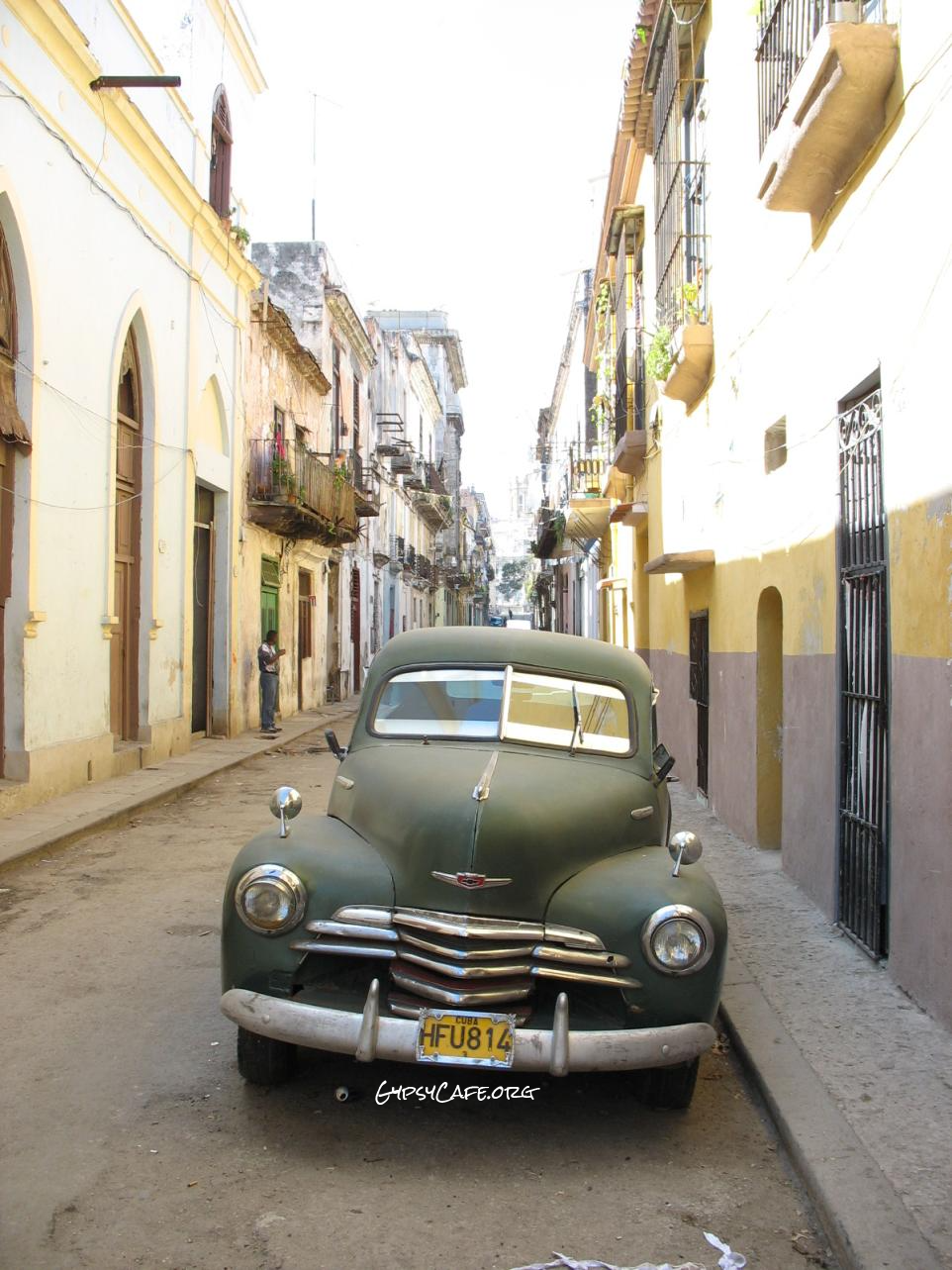
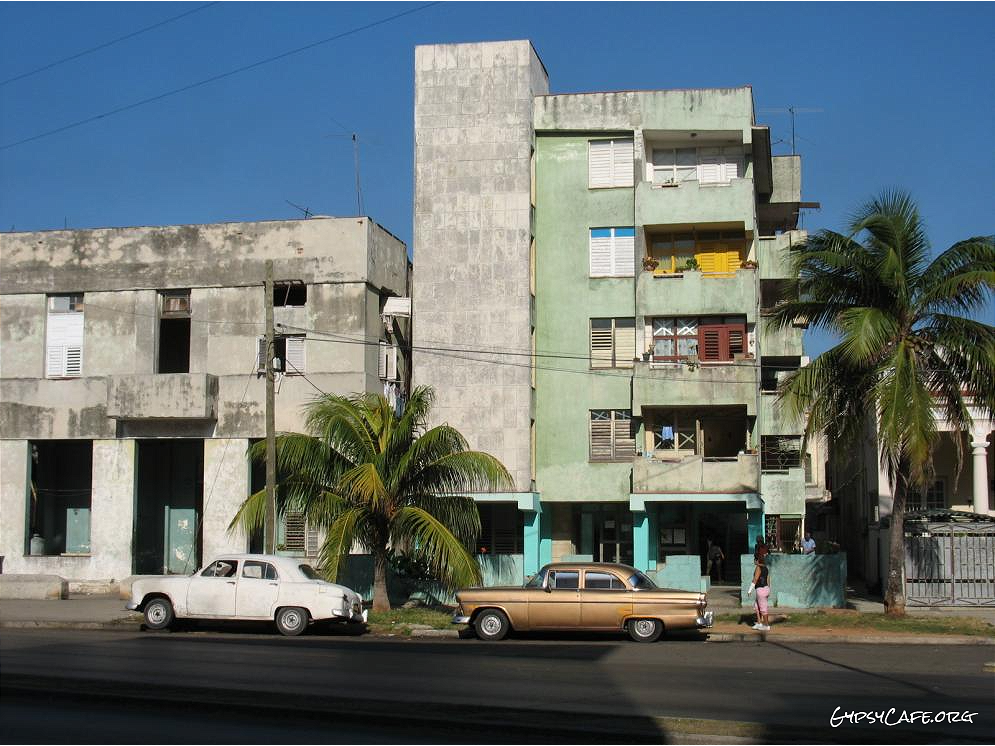
Havana – Classic Cars and Street Scenes:
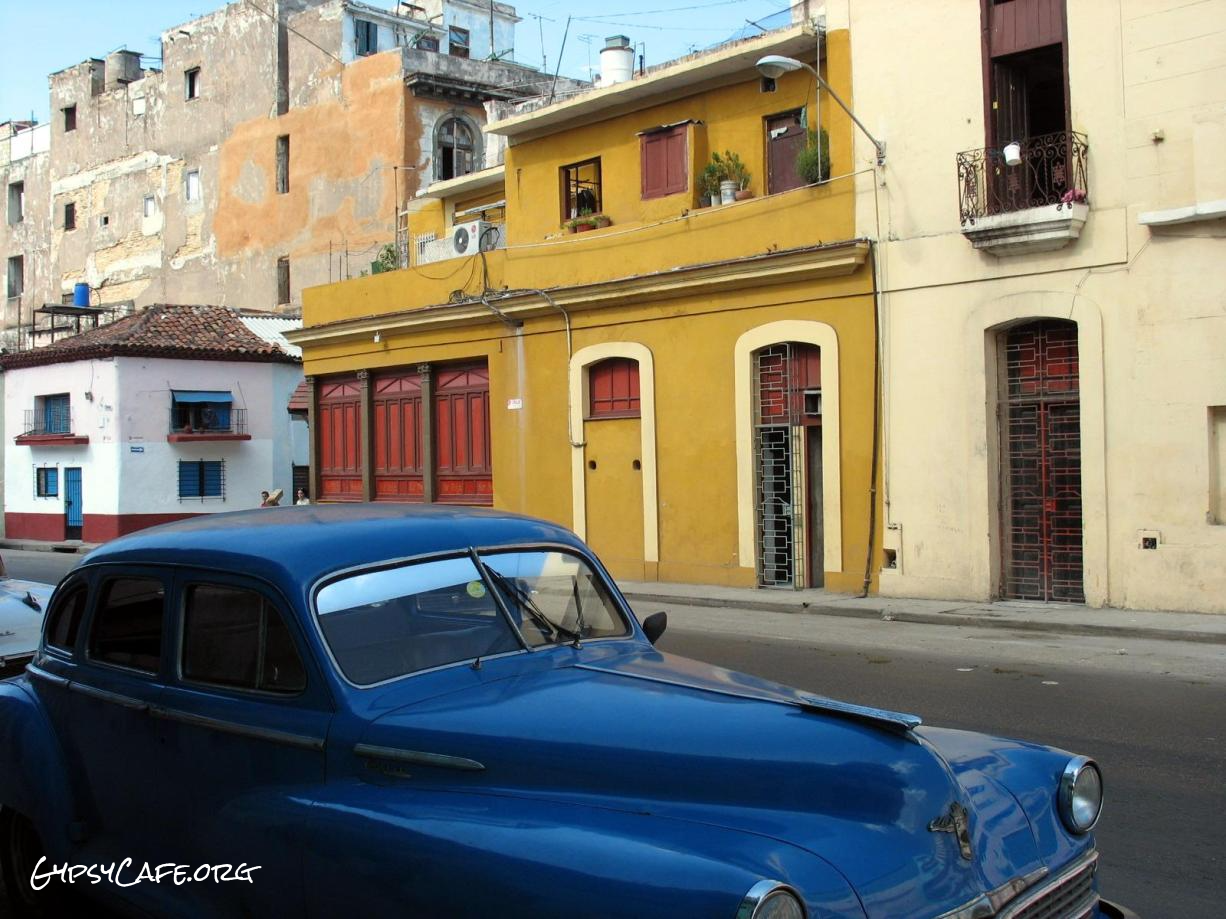
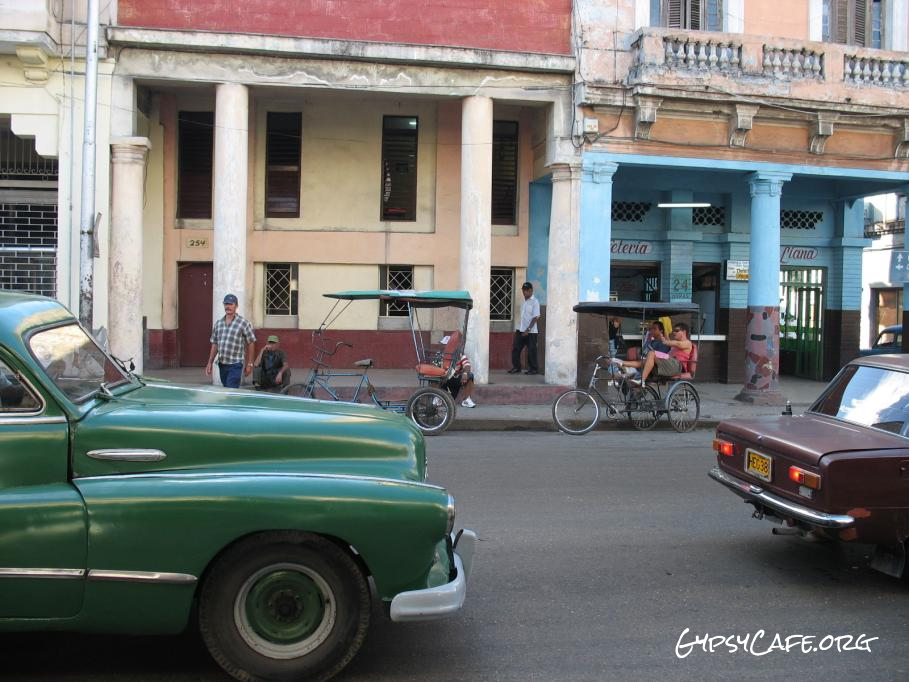
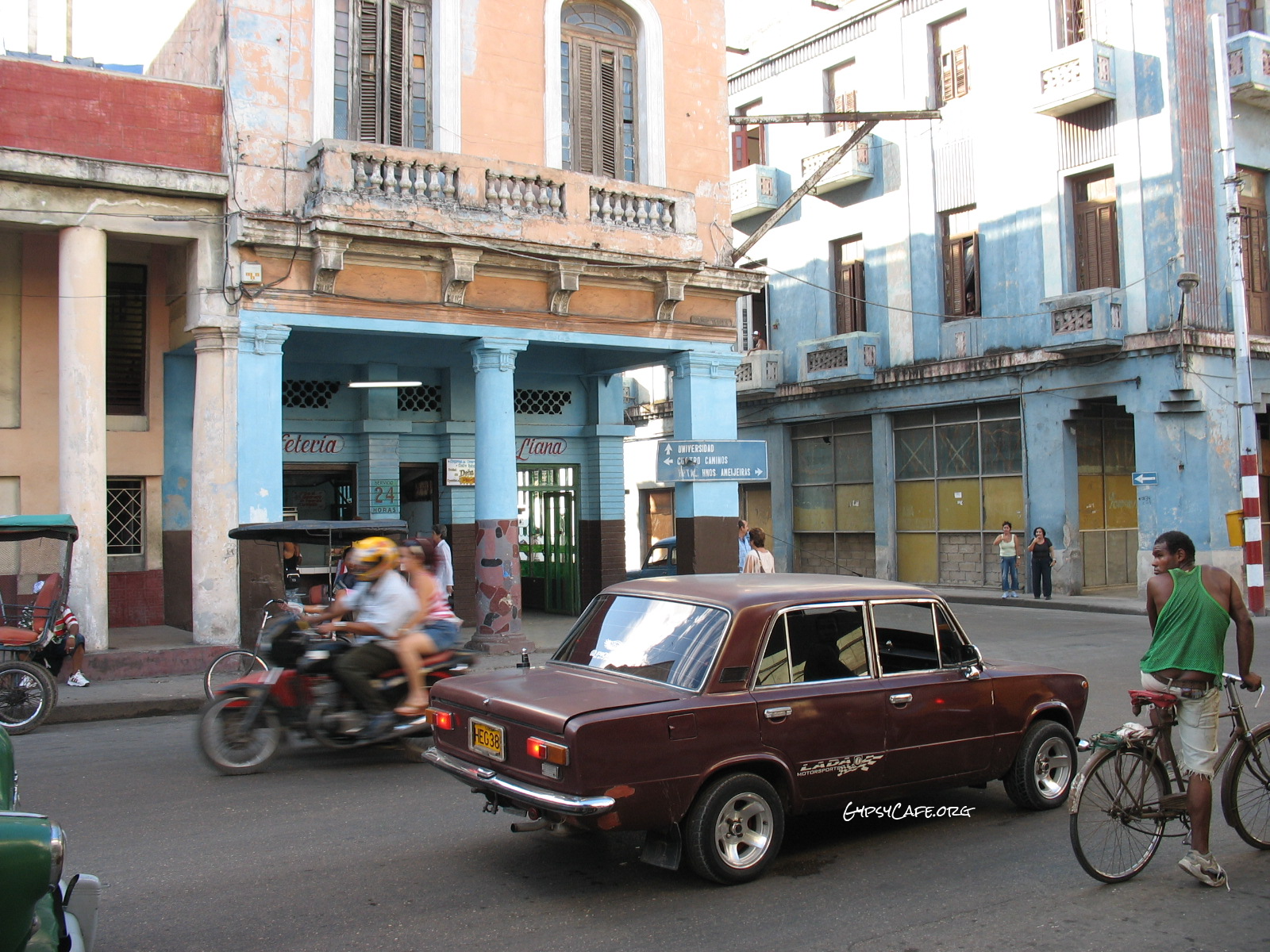
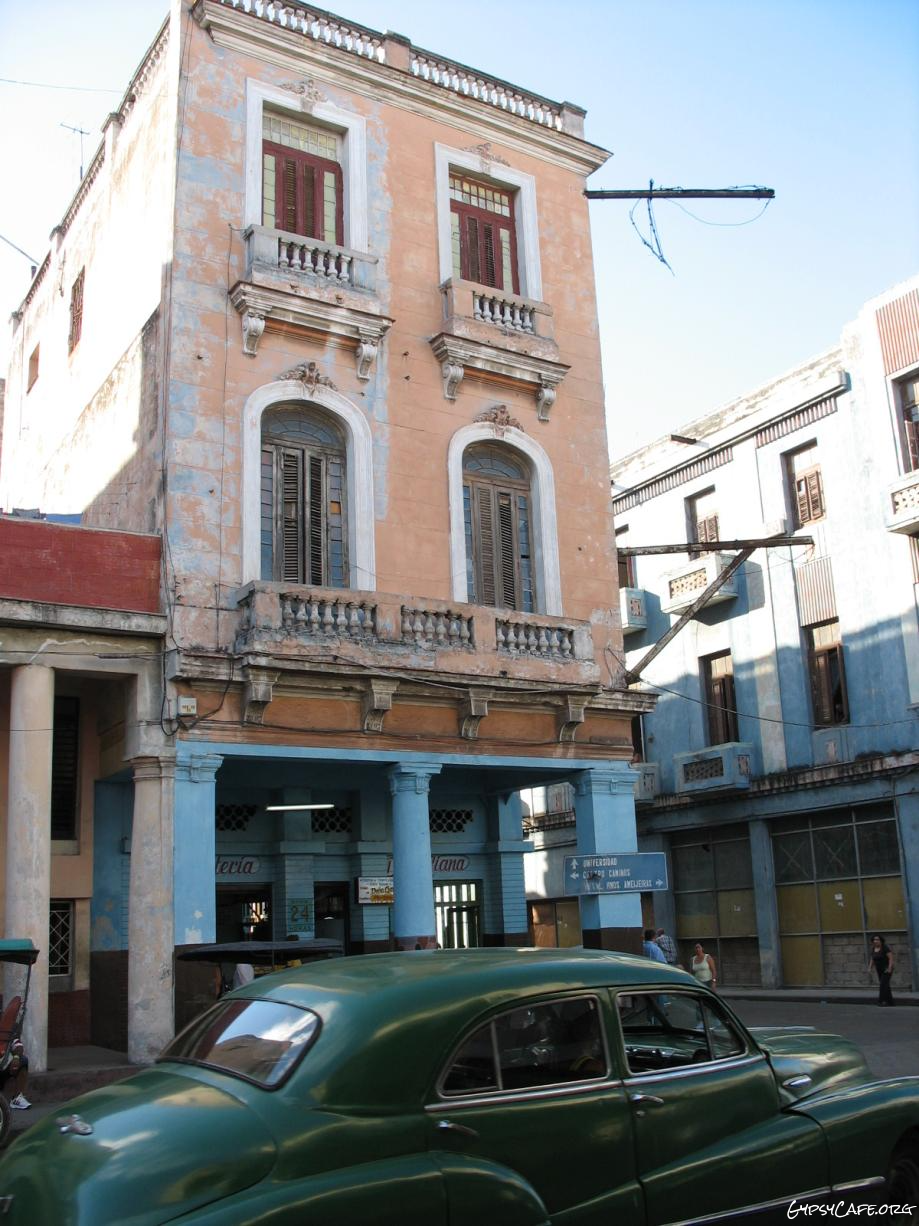
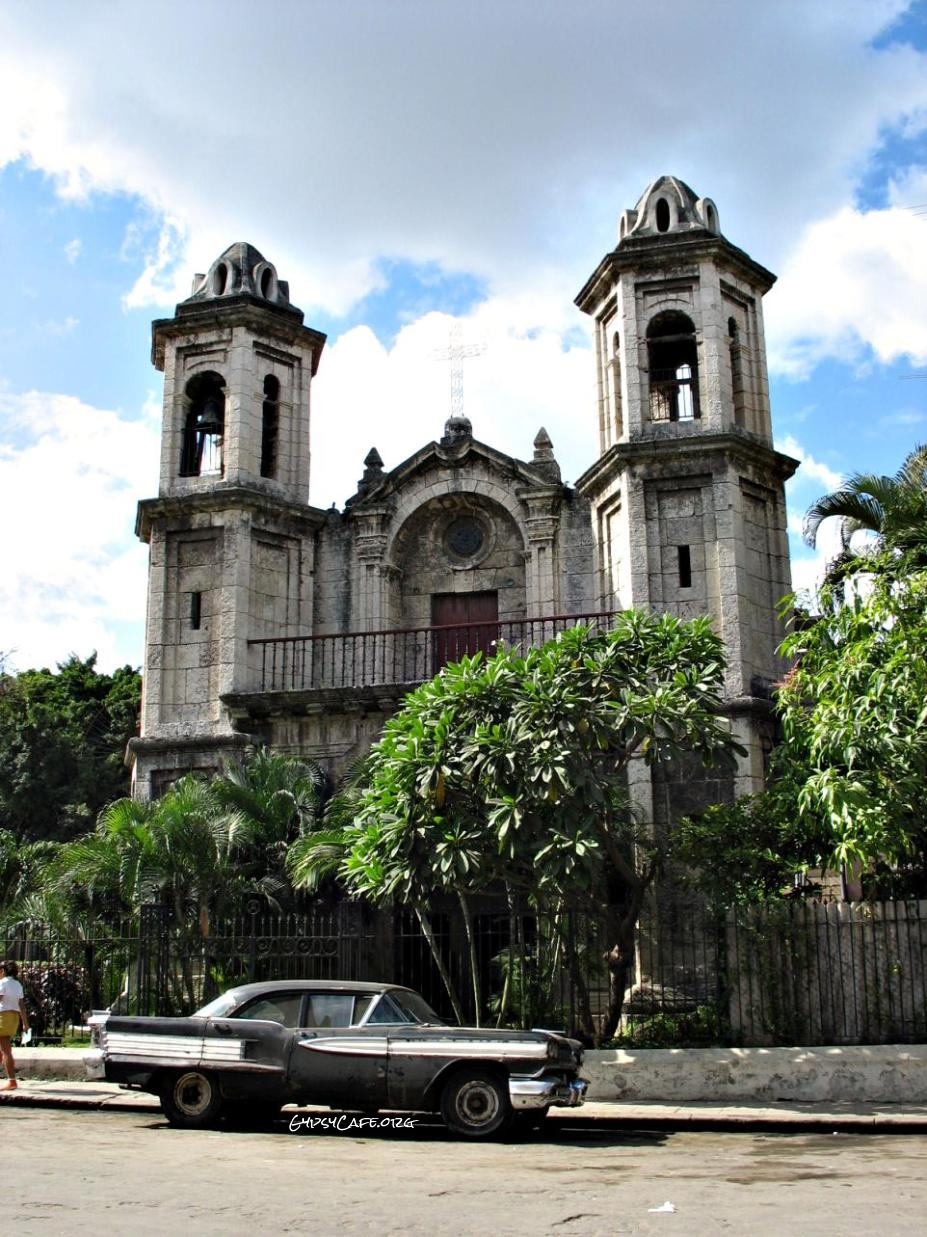
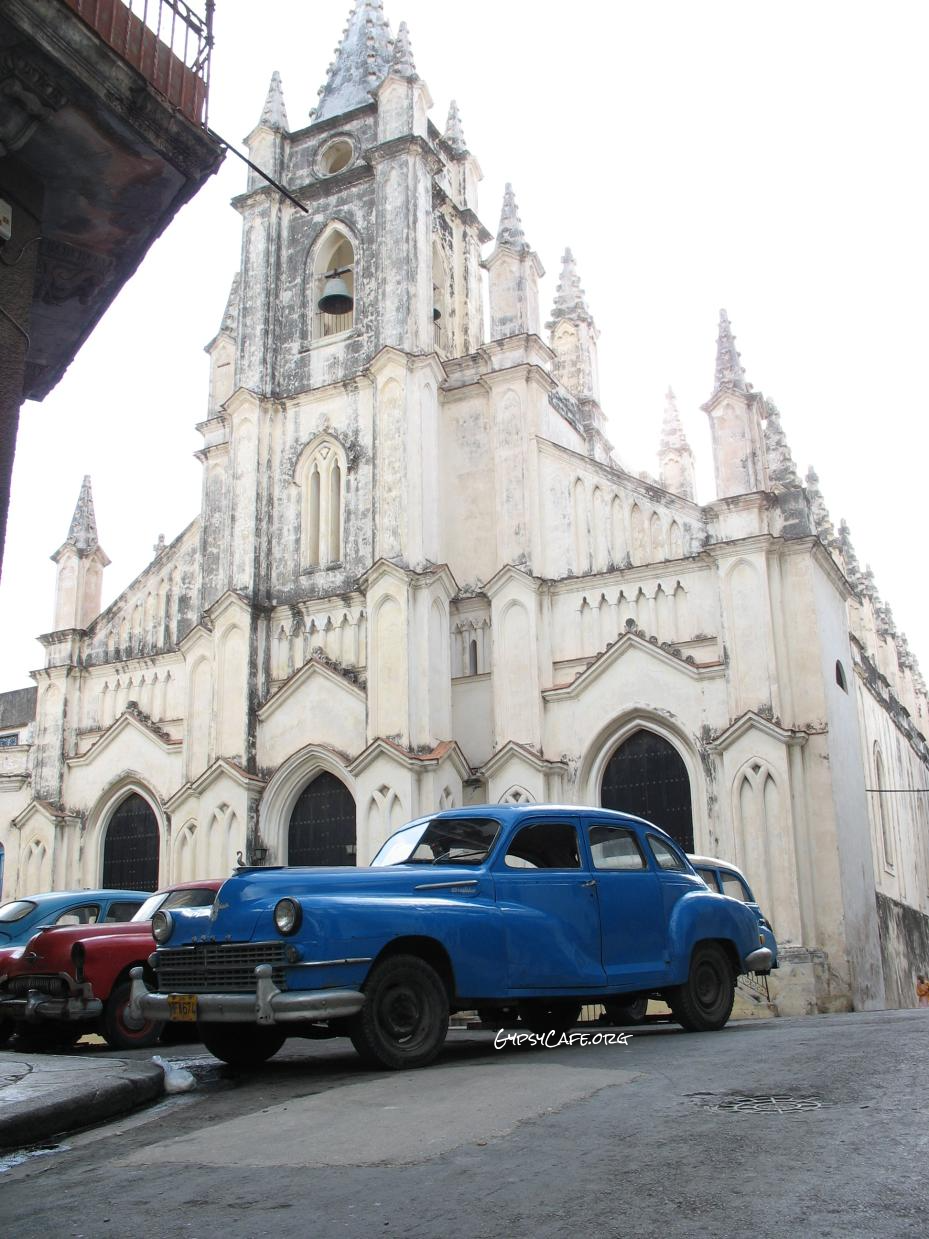
Just one more destination …
[Notes: 2006/2007] There will always be one more destination. The travel-bug (drug) makes sure of that, but every hard working long-term traveller needs an occasional break, and I had already planned a return journey to South Africa. A thought crossed my mind: “What if… I could fit Cuba in on the way home”? The idea was a long shot, since the two countries aren’t even remotely on the same route!
First I had to budget to see if it was in any way possible. I would have had to fly from Europe to the Caribbean and back, and then make a connection to Africa. I did my calculations and a rush of excitement set in. I was eventually, maybe inevitably, going to challenge the idea that this destination would remain “unreachable”, but the sober reality of what needed to be done to make it happen soon set in too.
I managed to get extra shifts at both my part time jobs and also took on a third position as a night porter at a small hotel near my house. In different stages, as money was earned, I systematically booked flight tickets, accommodation, flight insurance and a Spanish language course in Havana in stages. My tourist visa arrived just in time and I kept my extreme schedule up until four days before my departure, which was just long enough time to say final goodbyes to my friends and acquaintances in Belfast.
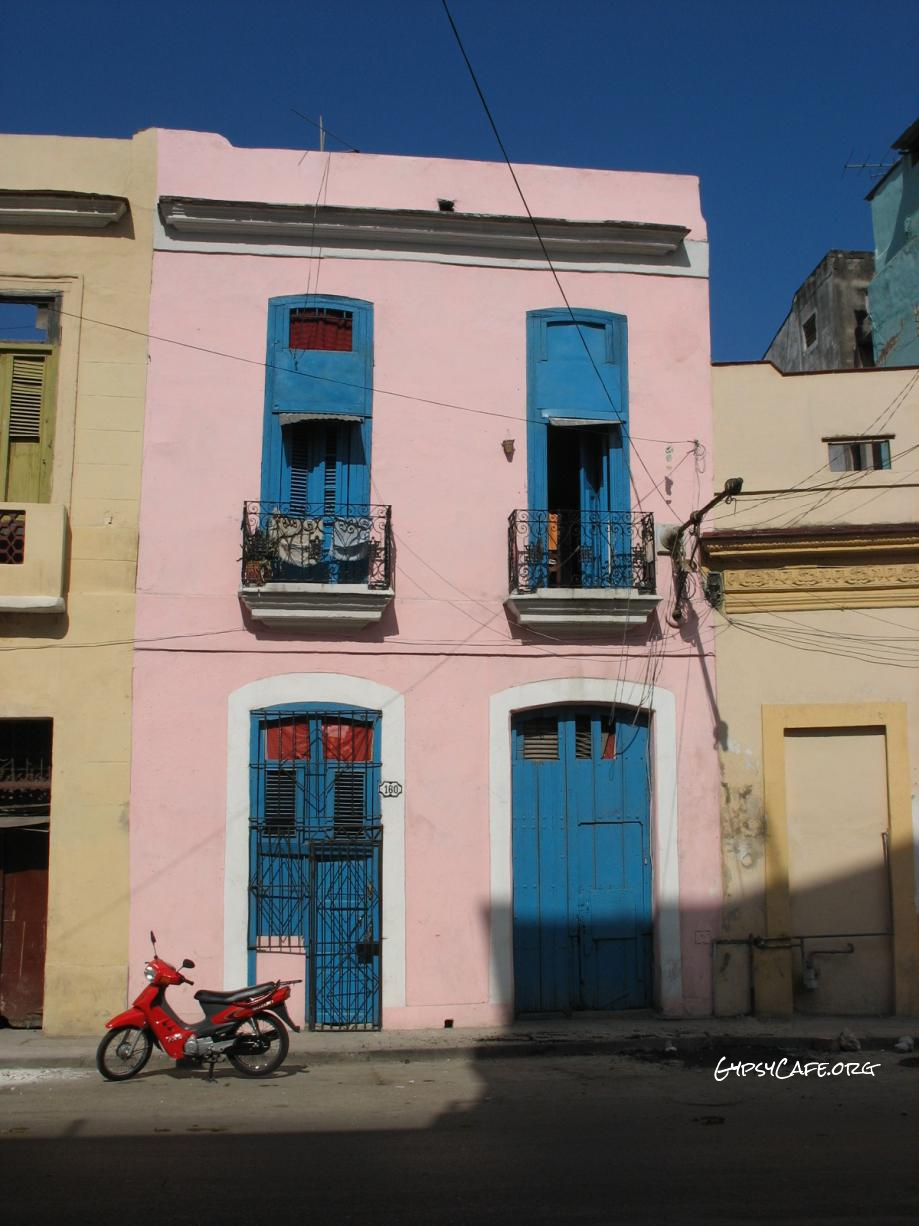
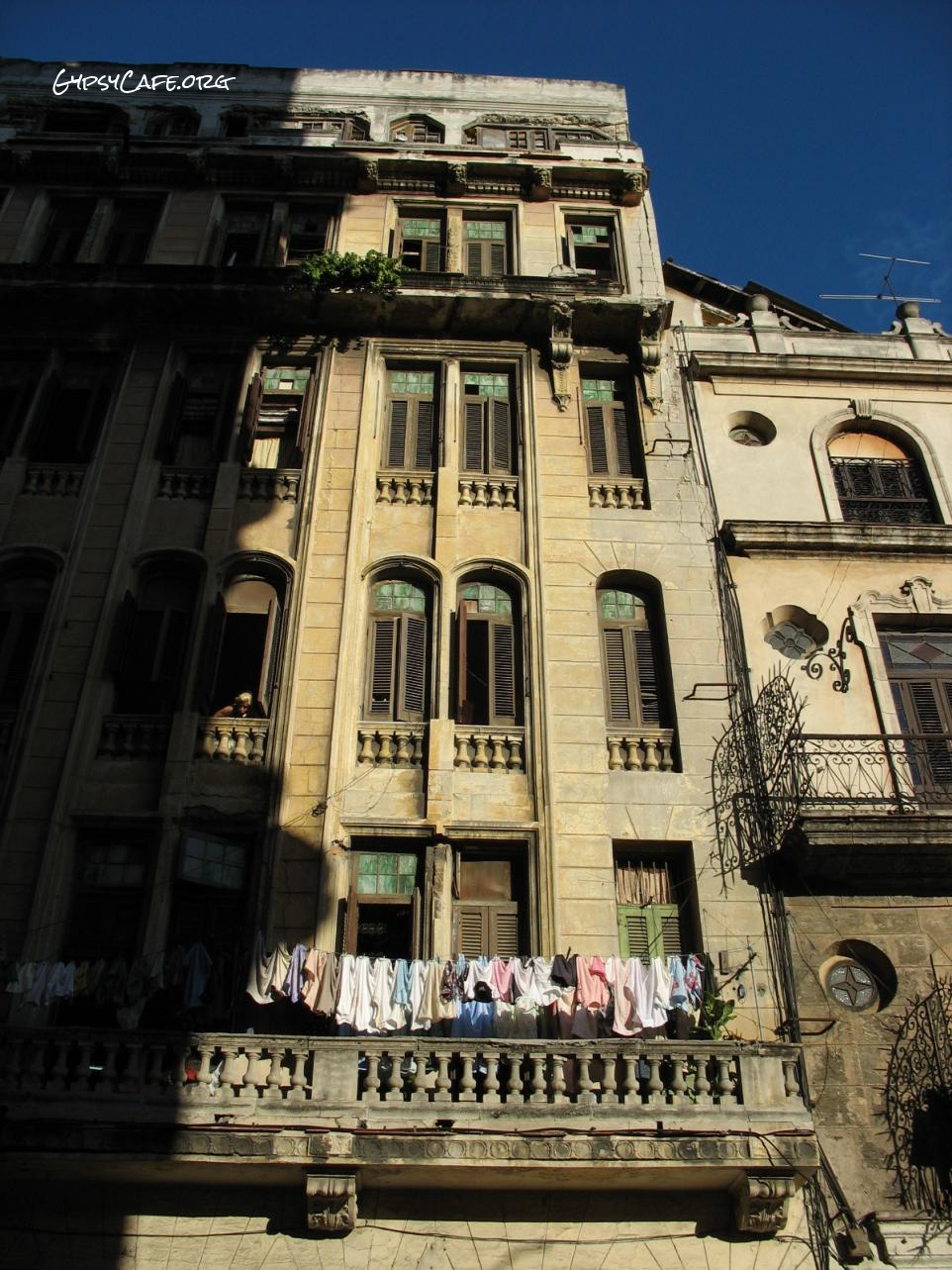
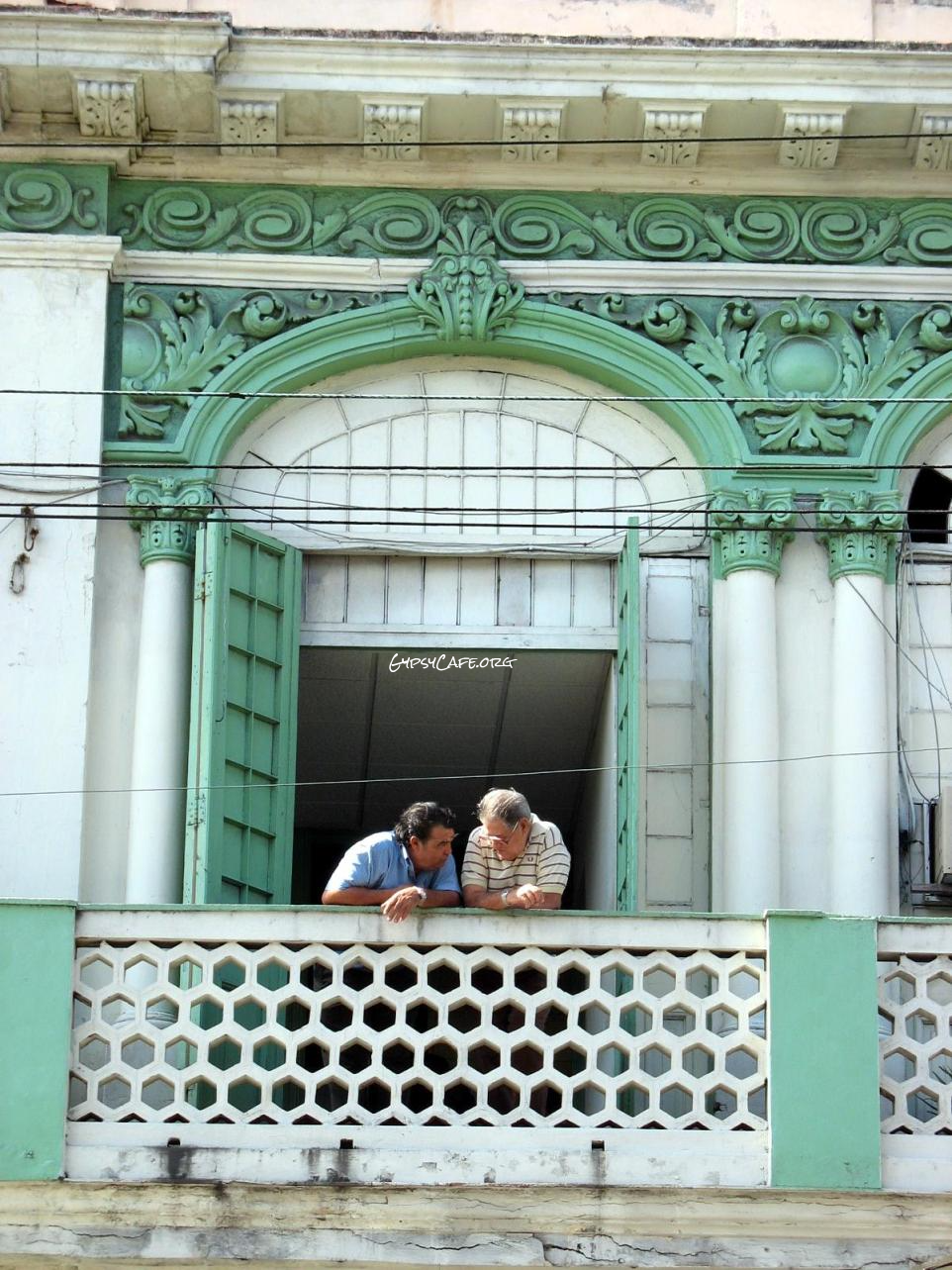
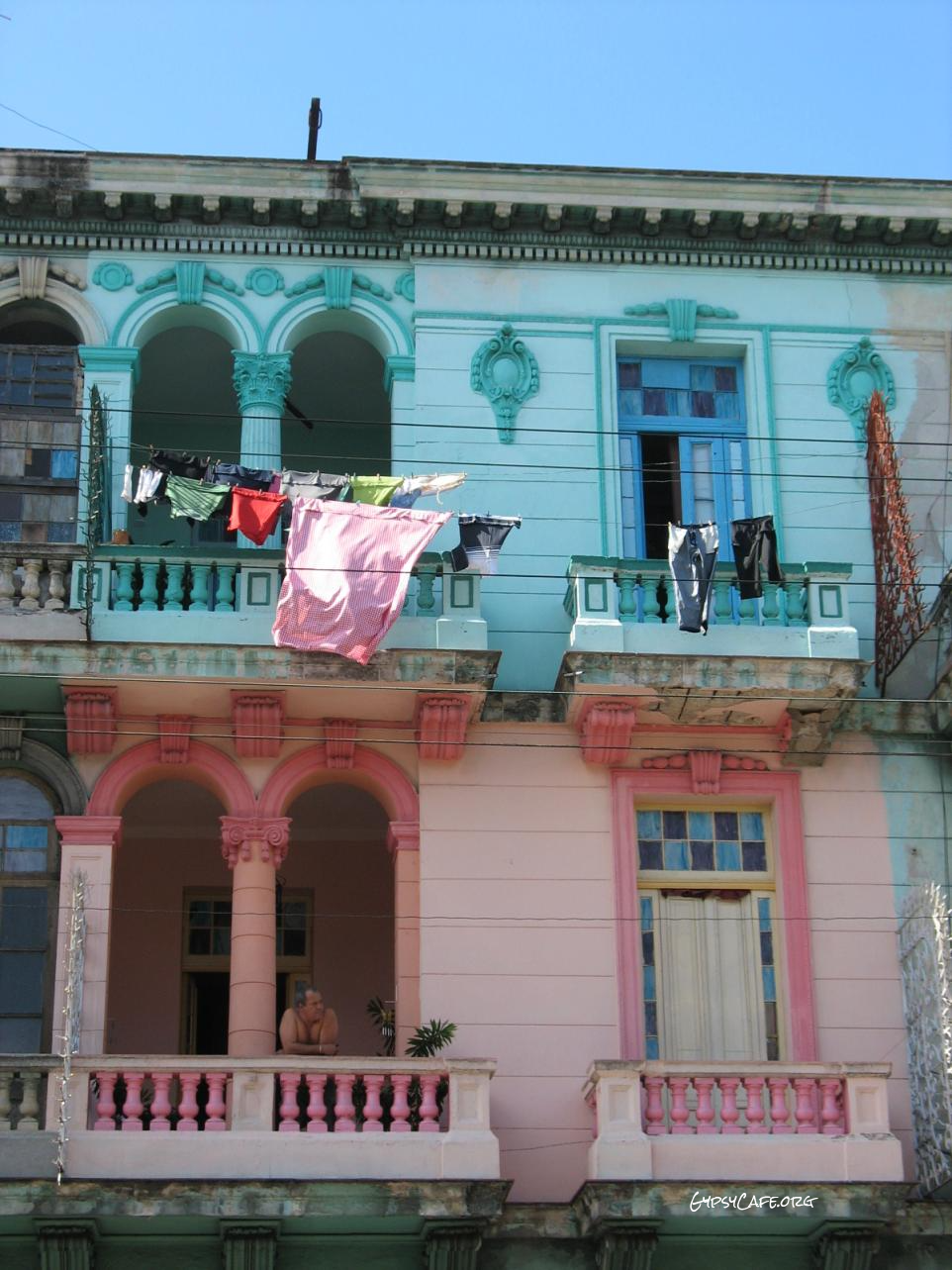
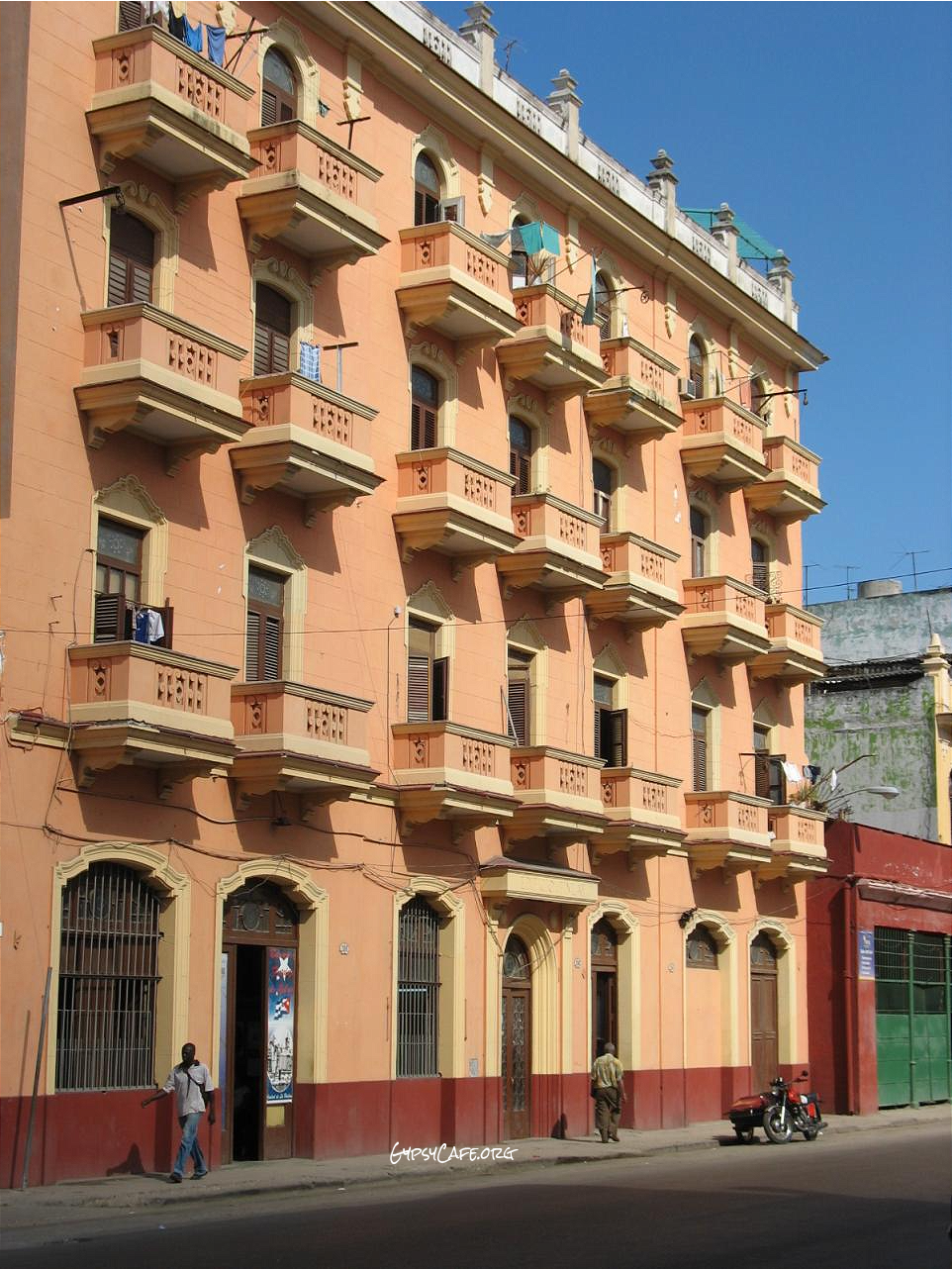
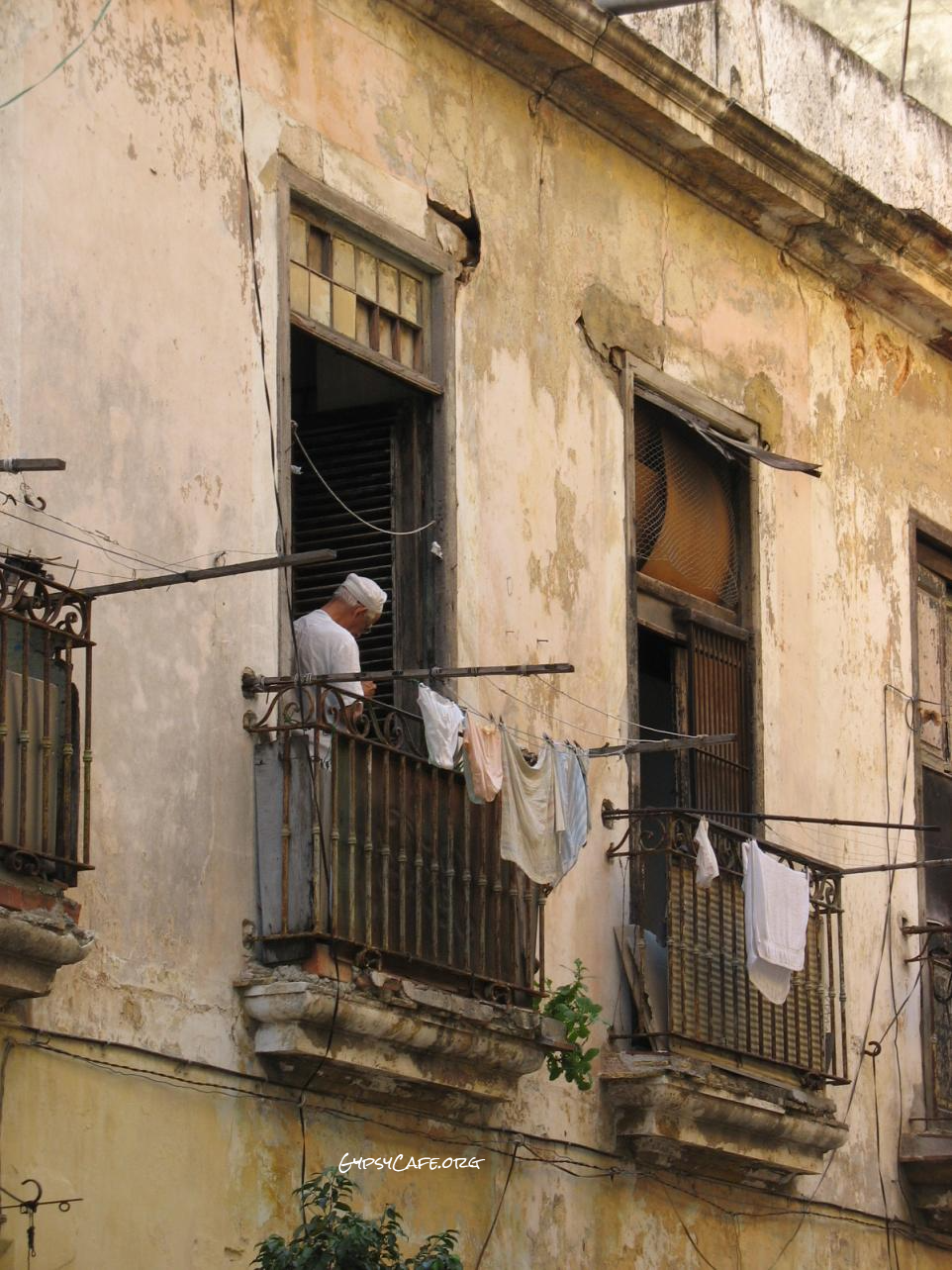
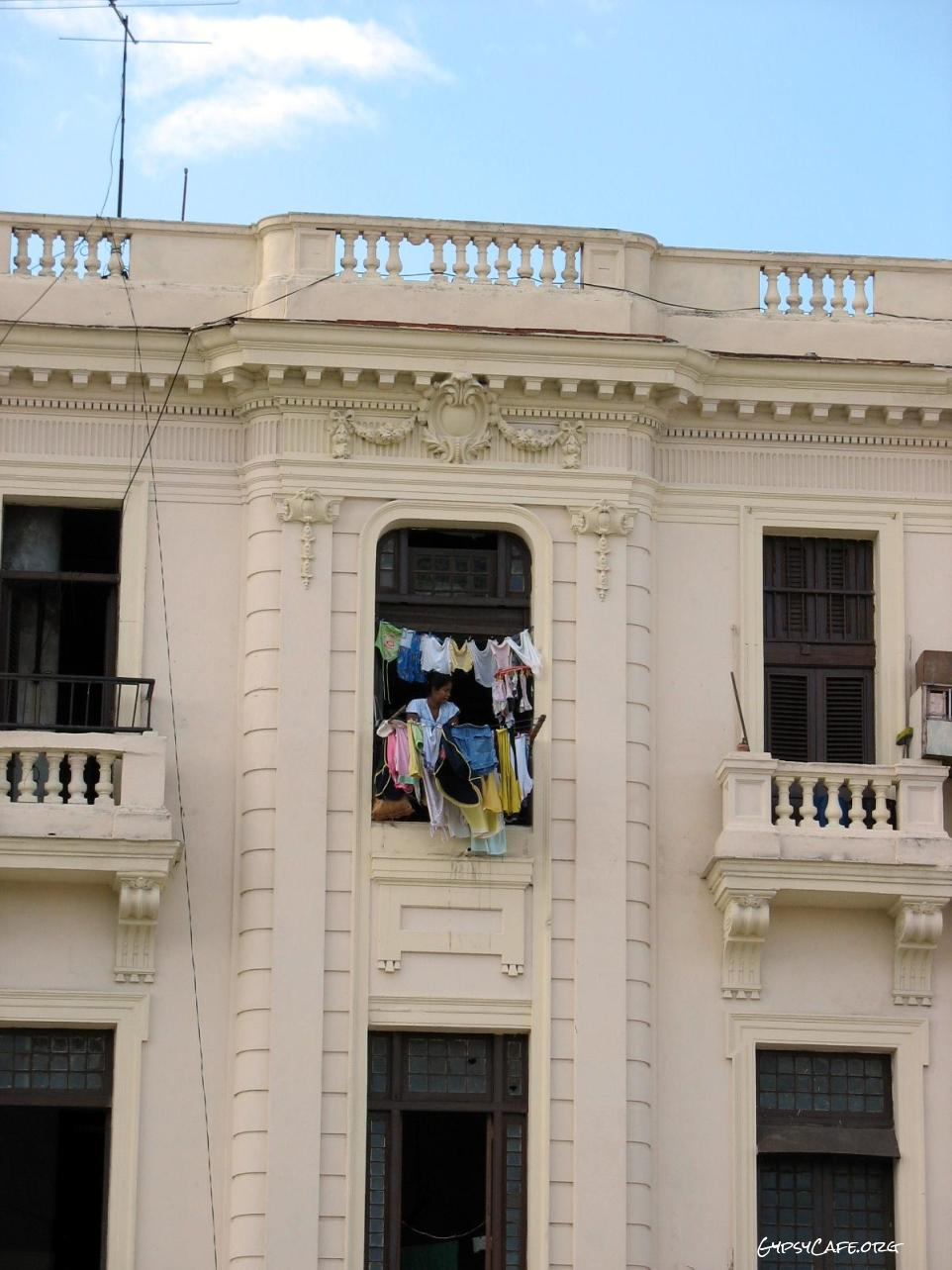
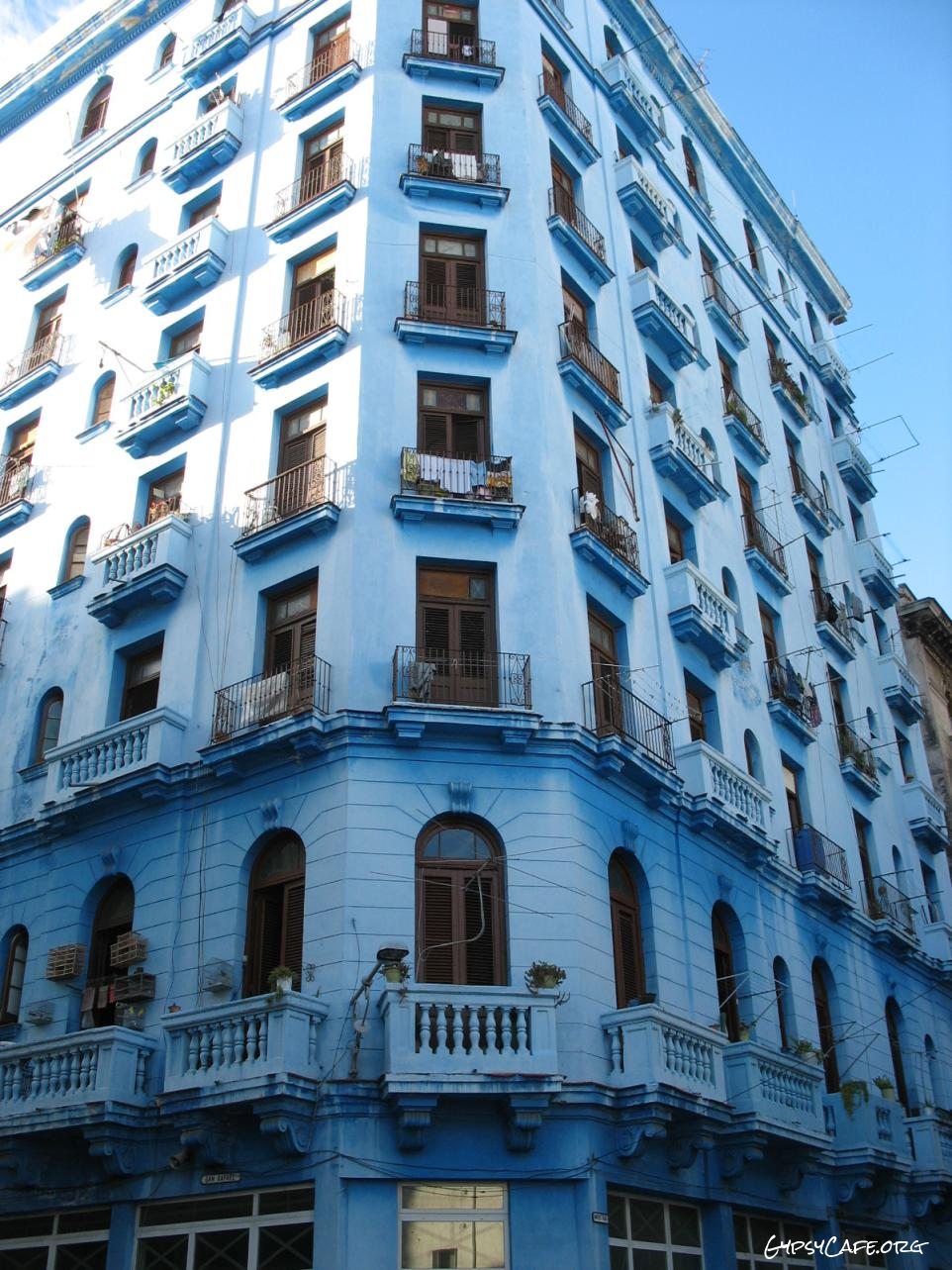
Havana – Balconies and Buildings:
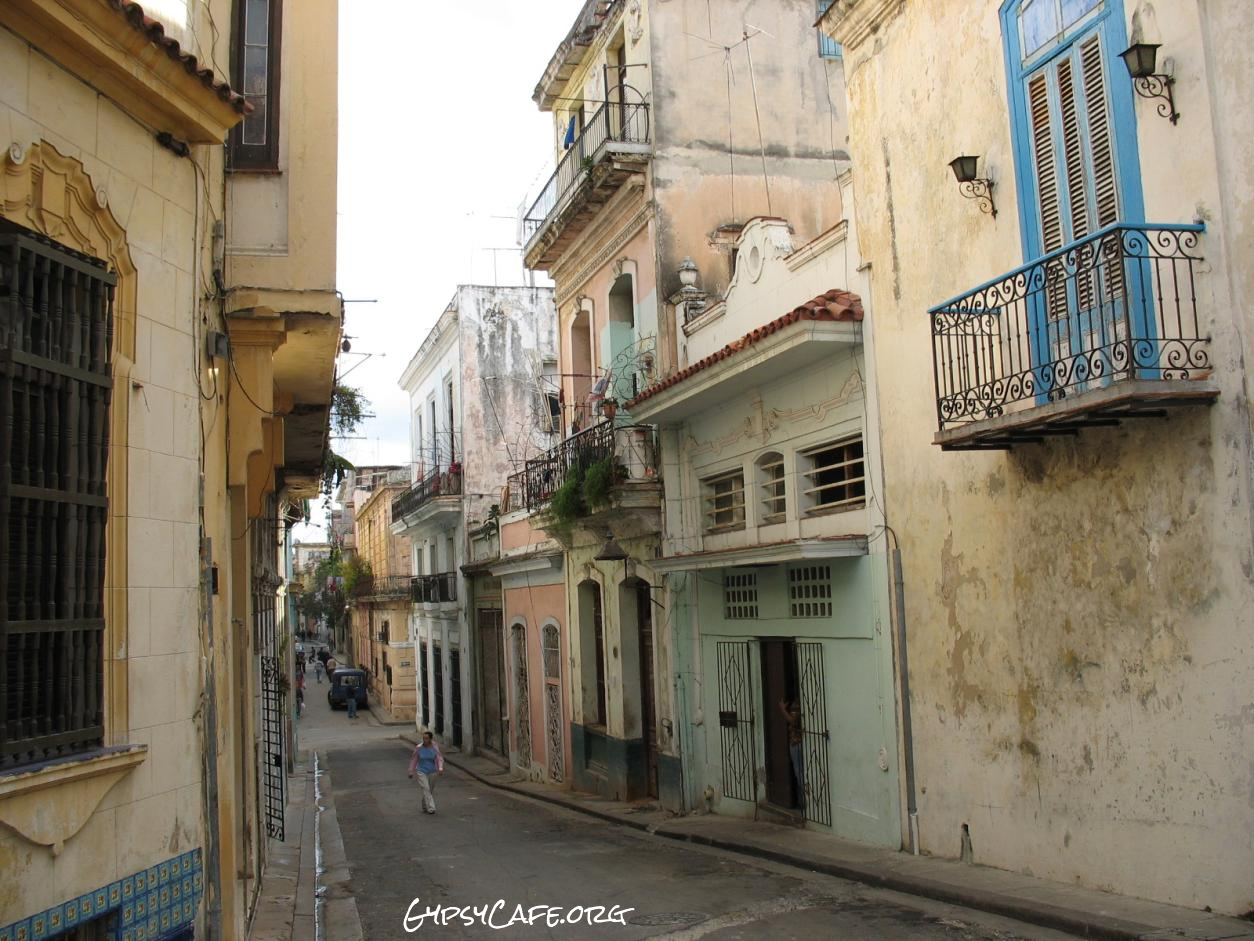
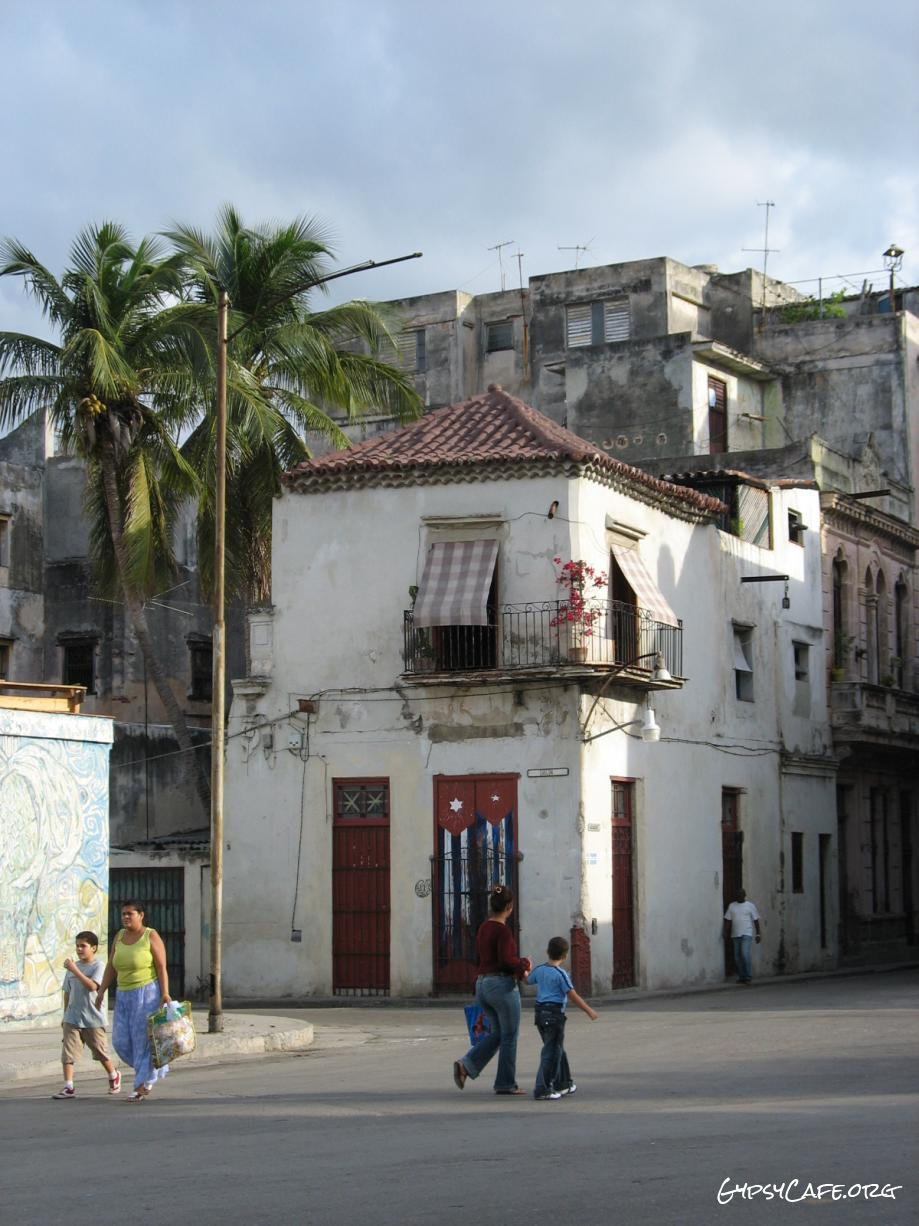
Touchdown …
[Notes: 2006/2007] I flew with Air France via a busy Charles de Gaulle airport. Once the flight had departed I had a first opportunity to browse through my guide books thoroughly. Reasonably unprepared, but with a good general idea of what to expect, I made the decision to let it happen as it may.
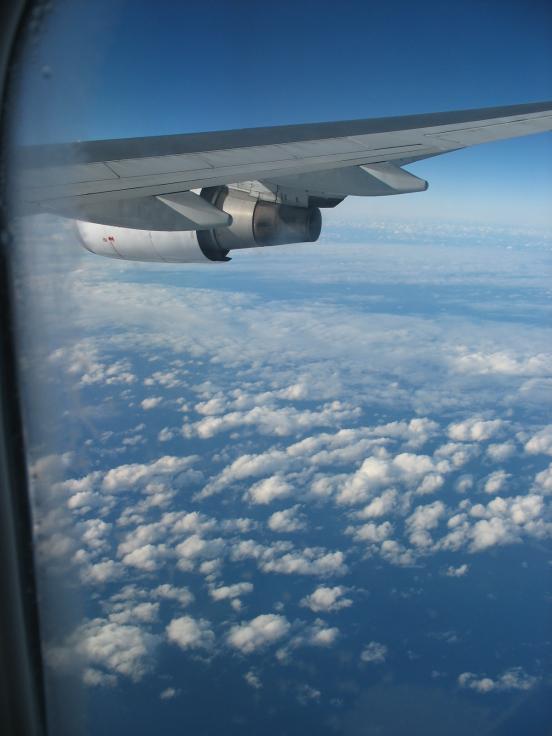 We were treated with beautiful cloud formations from our window seats and finally touched down after about ten hours of flight time. First impressions of any country certainly lasts the longest for me, and on arrival I usually can’t wait to see the airport and beyond, shortly after landing. To judge an entire country by its airport’s surrounds could be the biggest mistake you make, but those first images from the plane windows give you hints of what lies beyond customs and passport control.
As the plane descended after 10 hours of flight time there was a kind of upbeat excitement on approaching the island among the passengers. Palm trees could be seen through the portholes on the horizon blowing in the wind with the clearest of blue skies imaginable all around.
The wall of heat hit us as we stepped off our long-haul carrier. The queues were long and the processing slow, but finally we entered the arrivals lounge of Aeropuerto Internacional Jose Marti – La Habana.
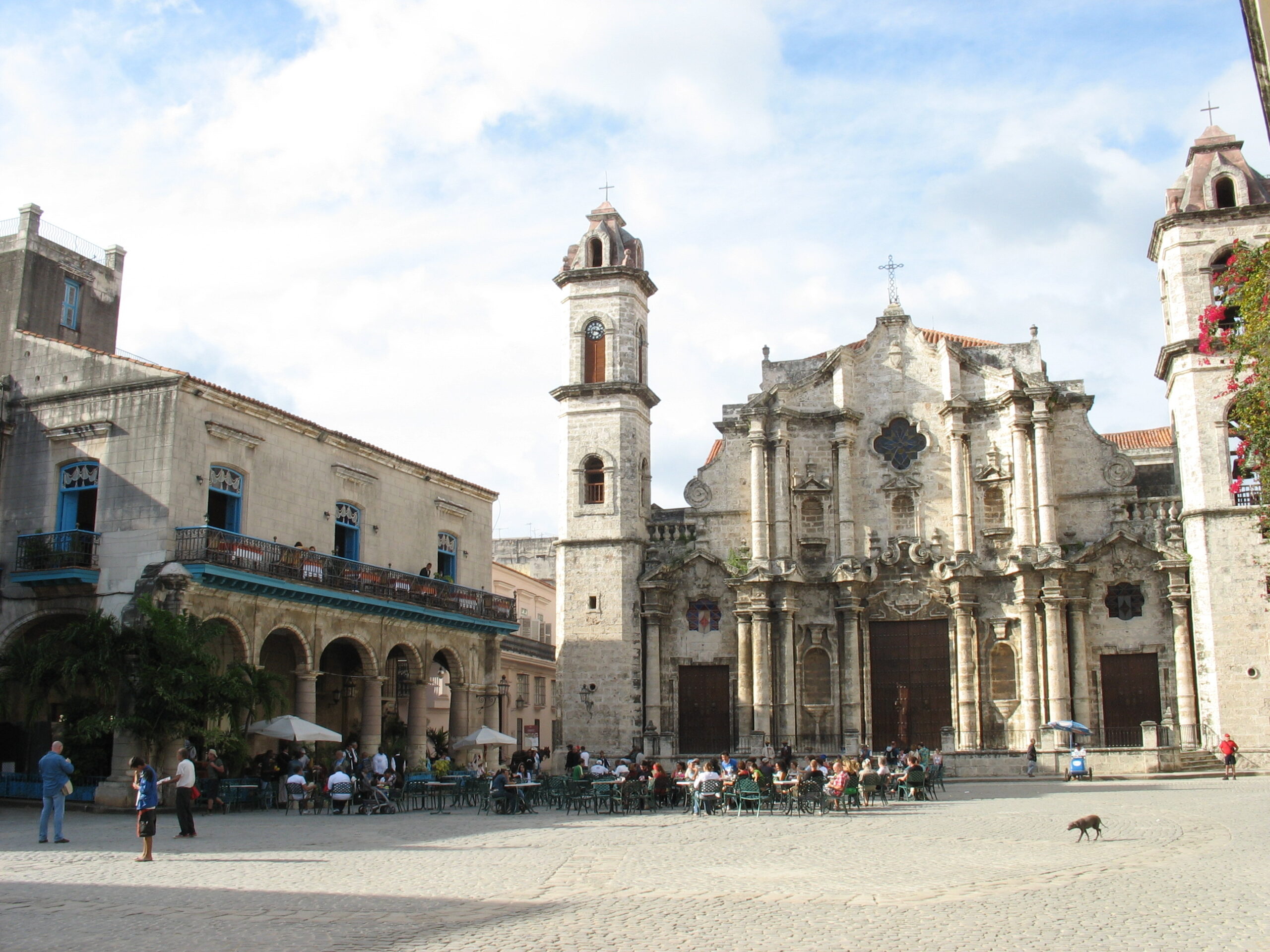
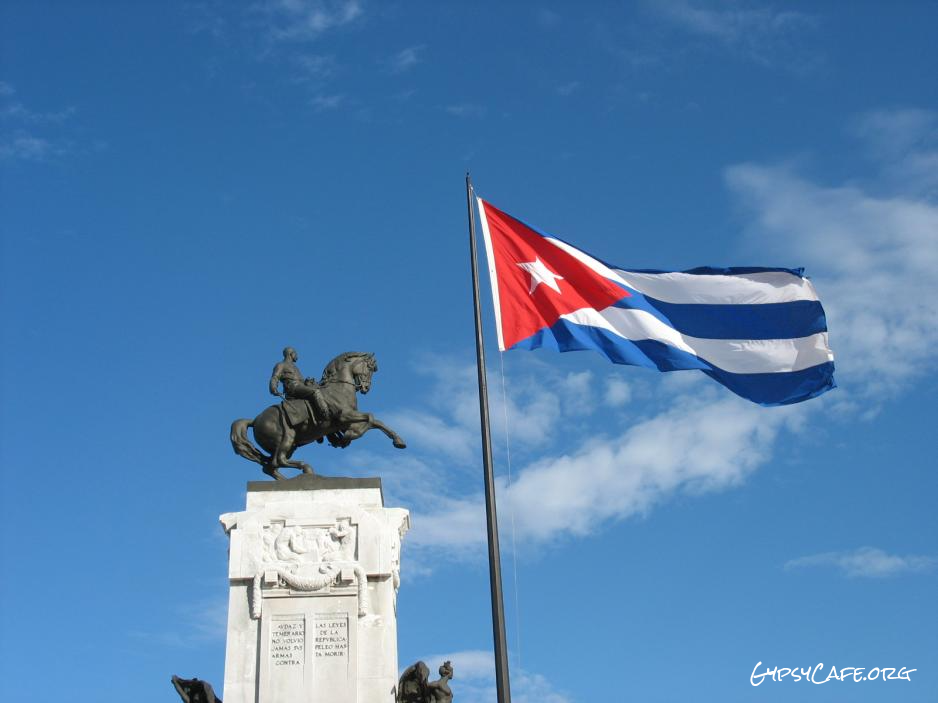
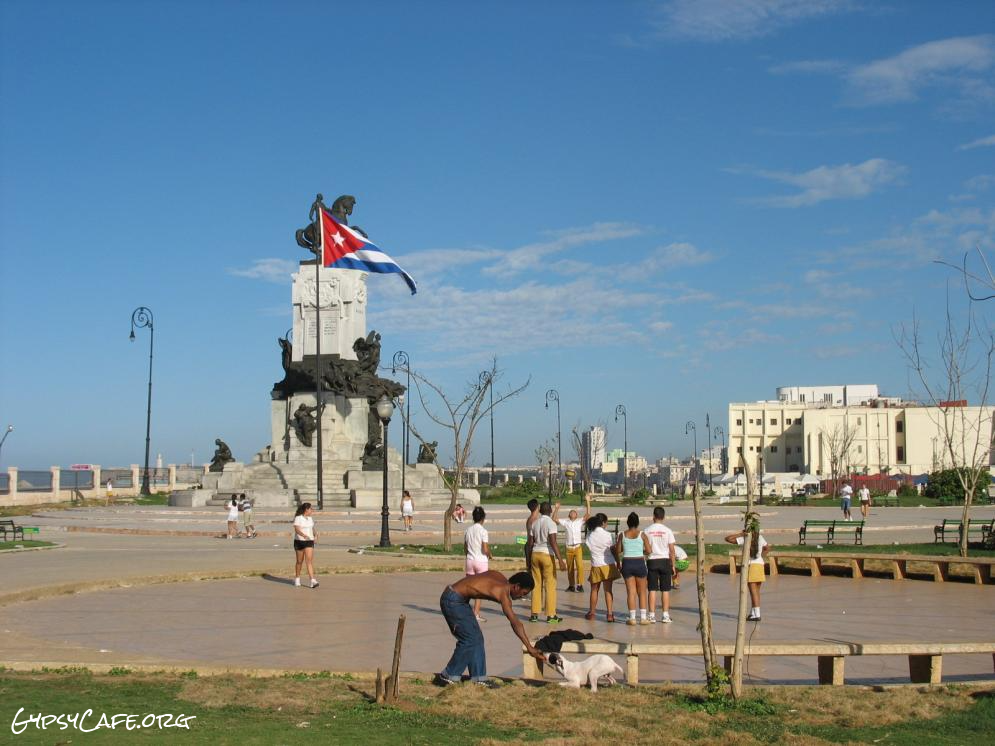
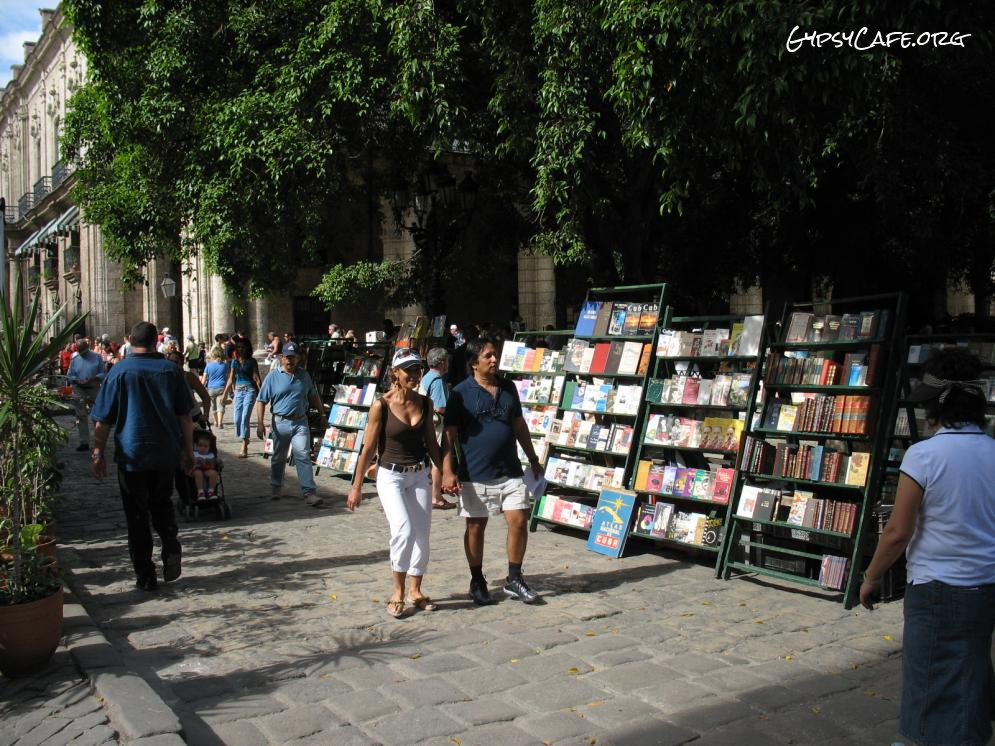
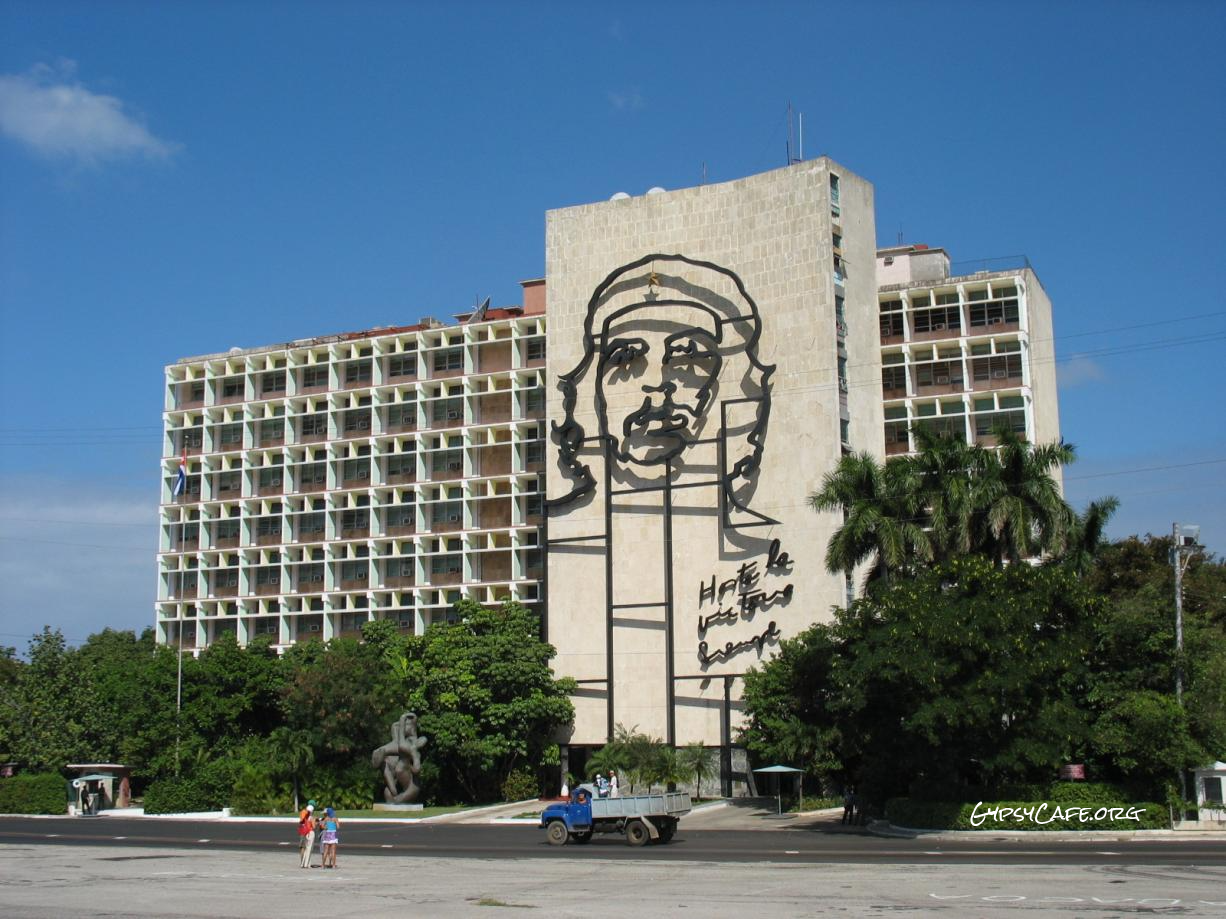
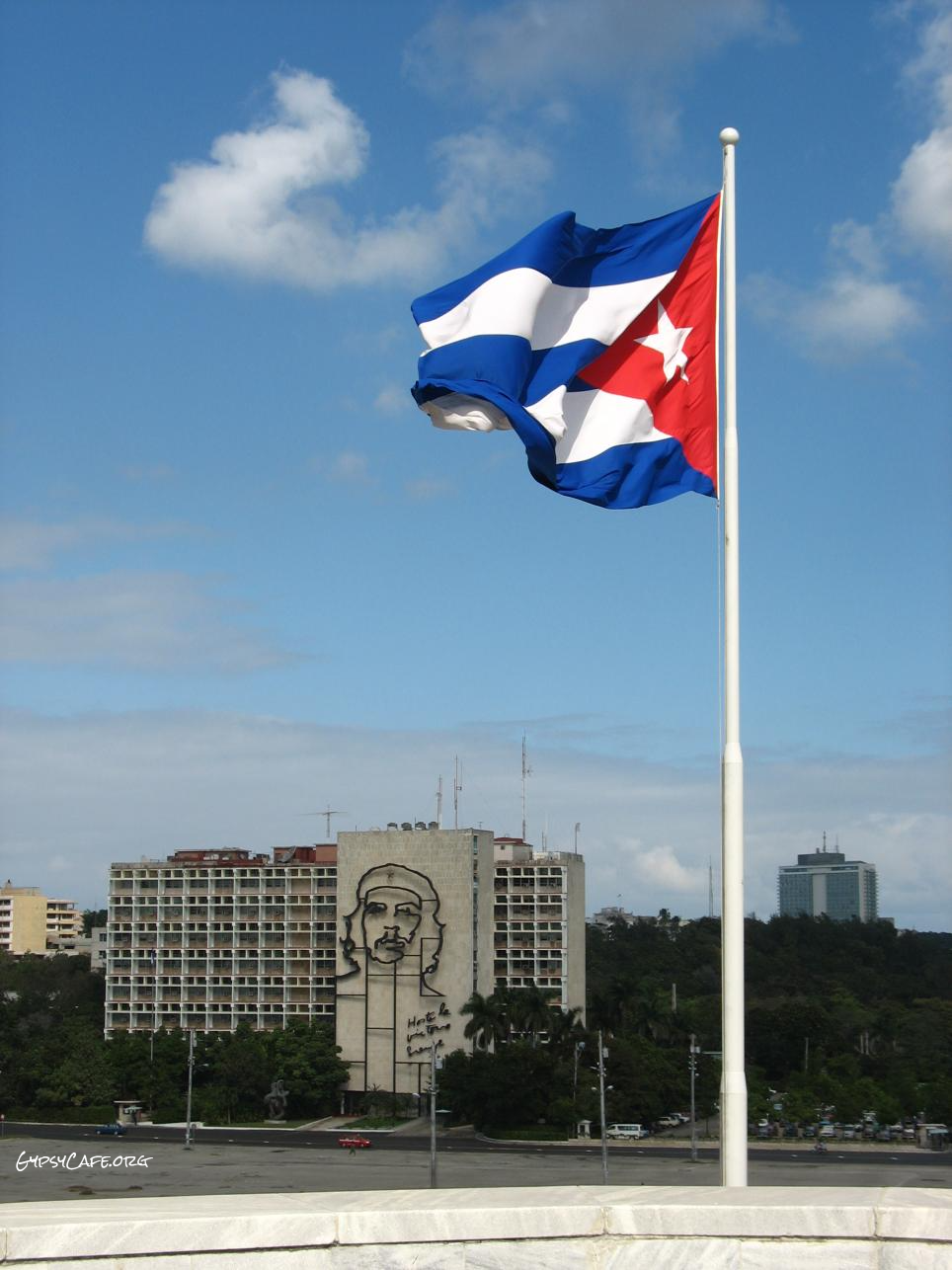
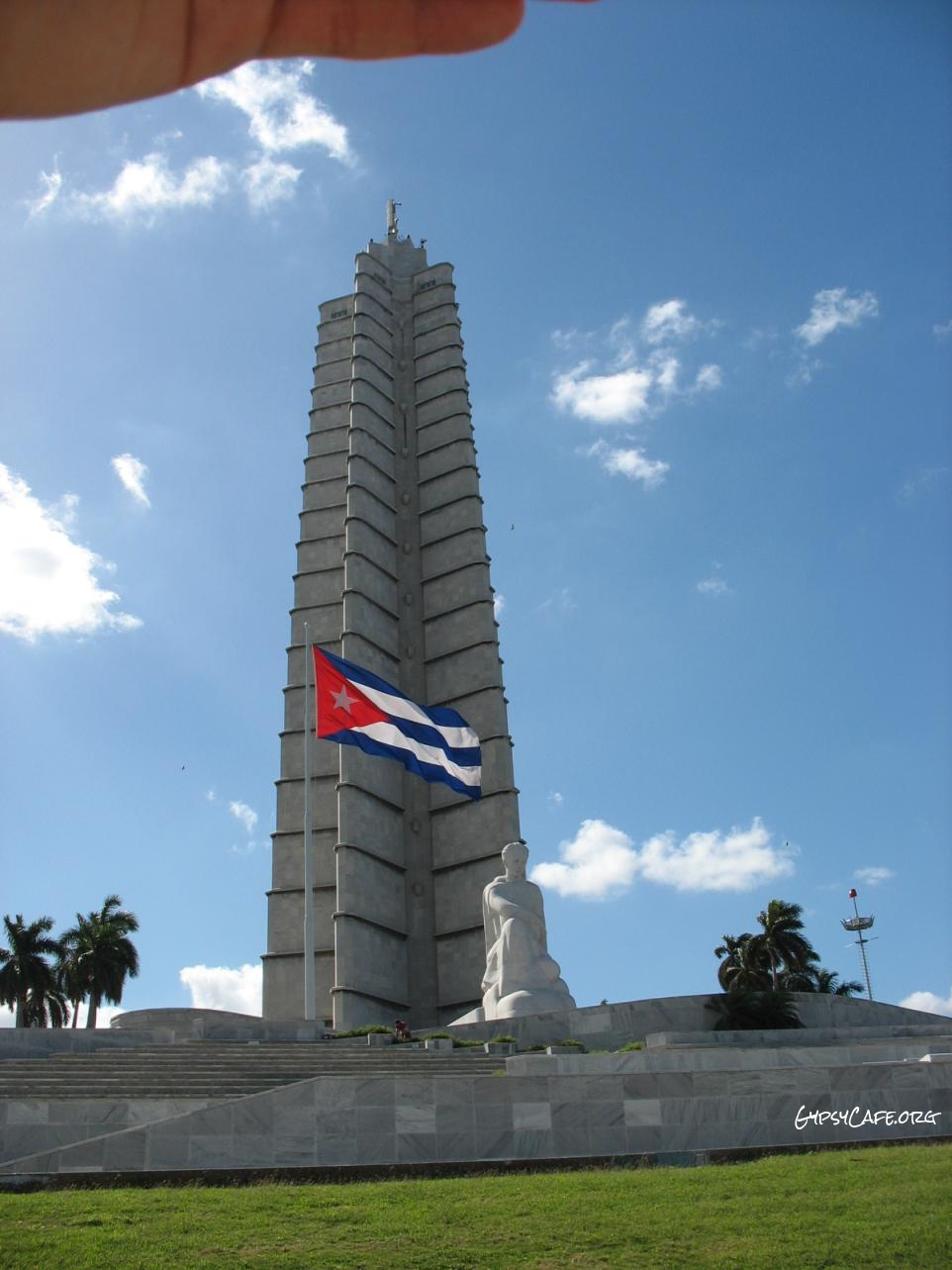
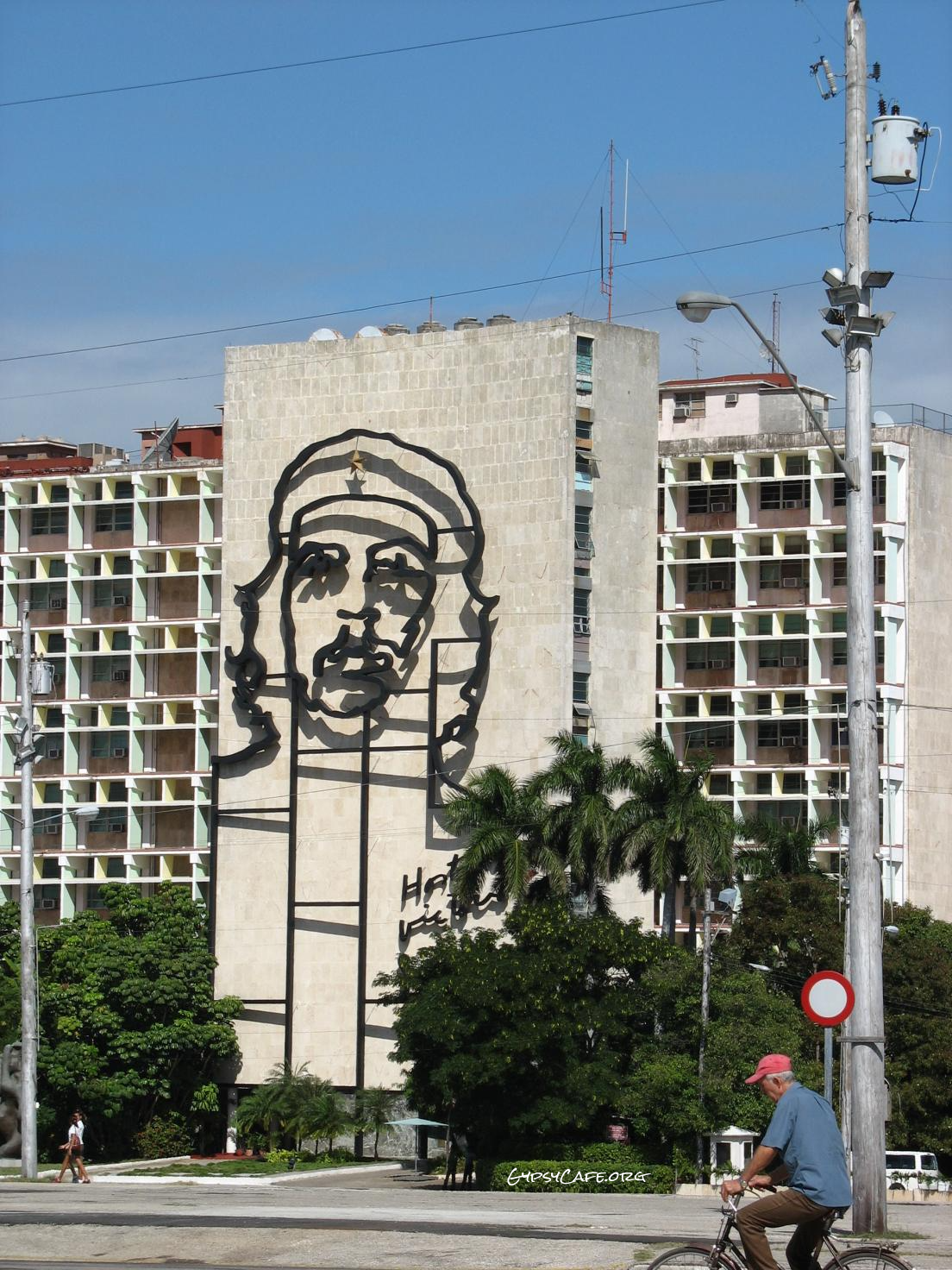
Havana – Plazas, Parks and Courtyards:
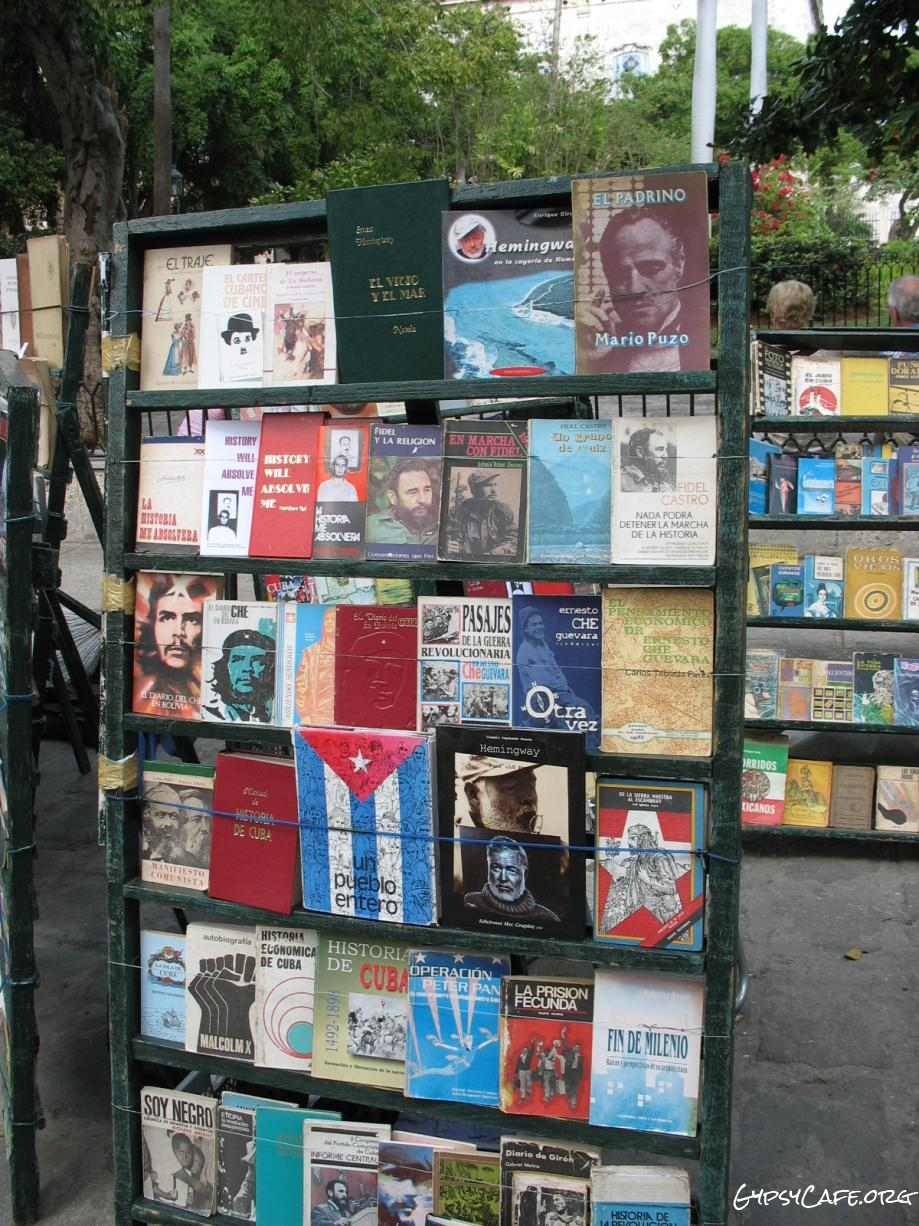
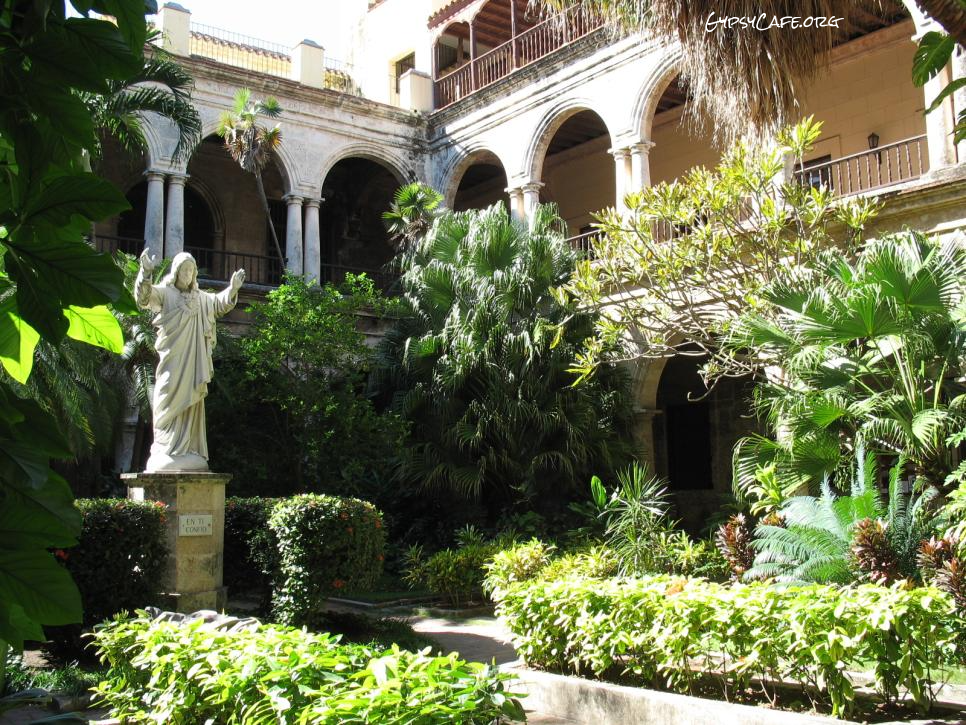
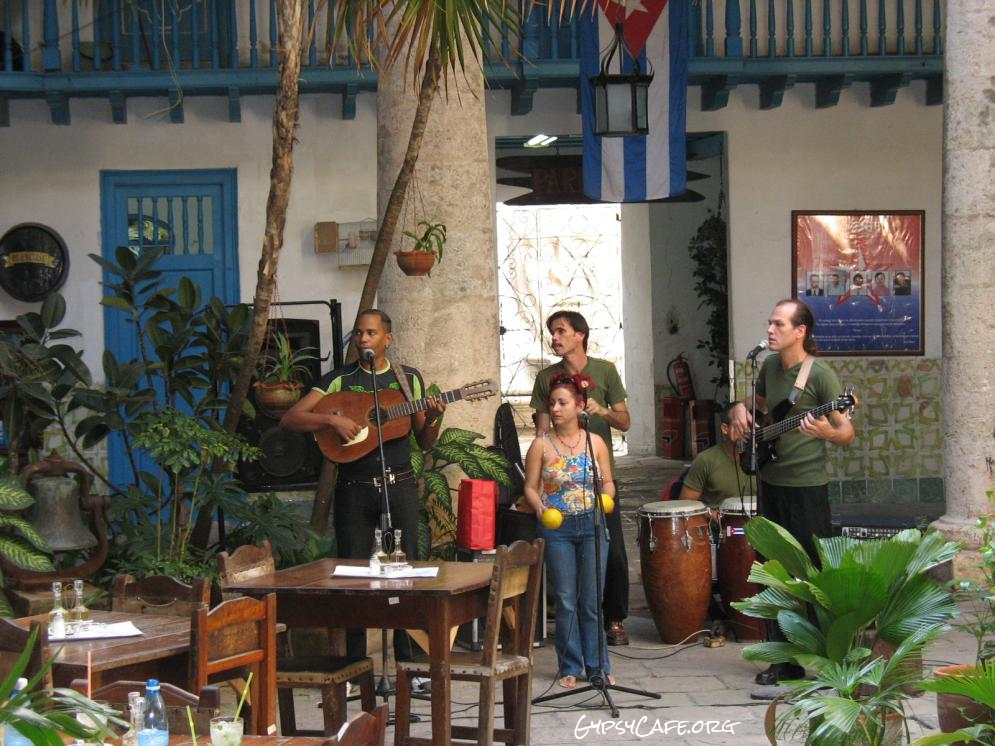
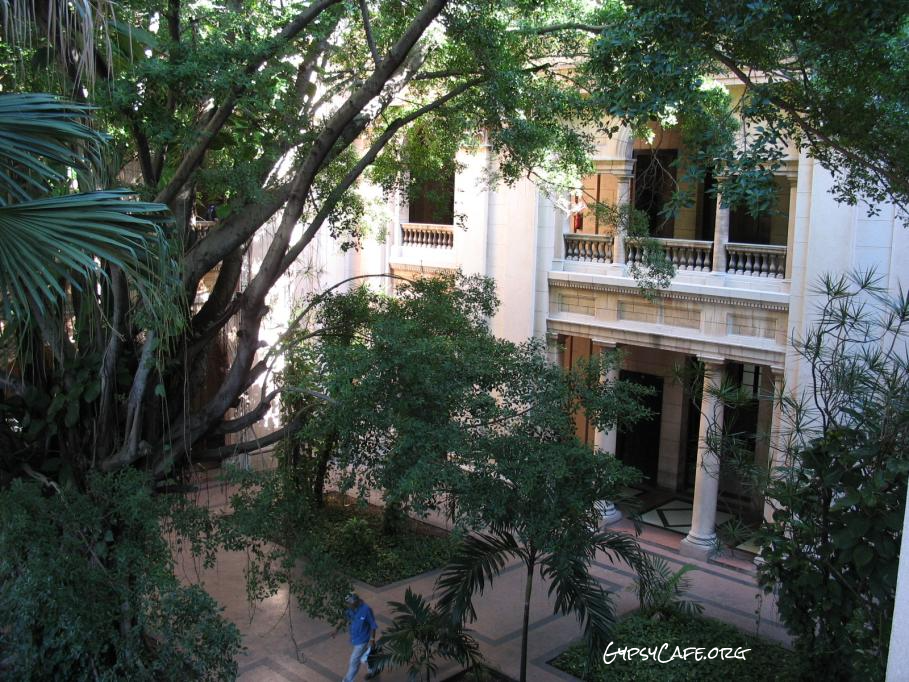
To the capital …
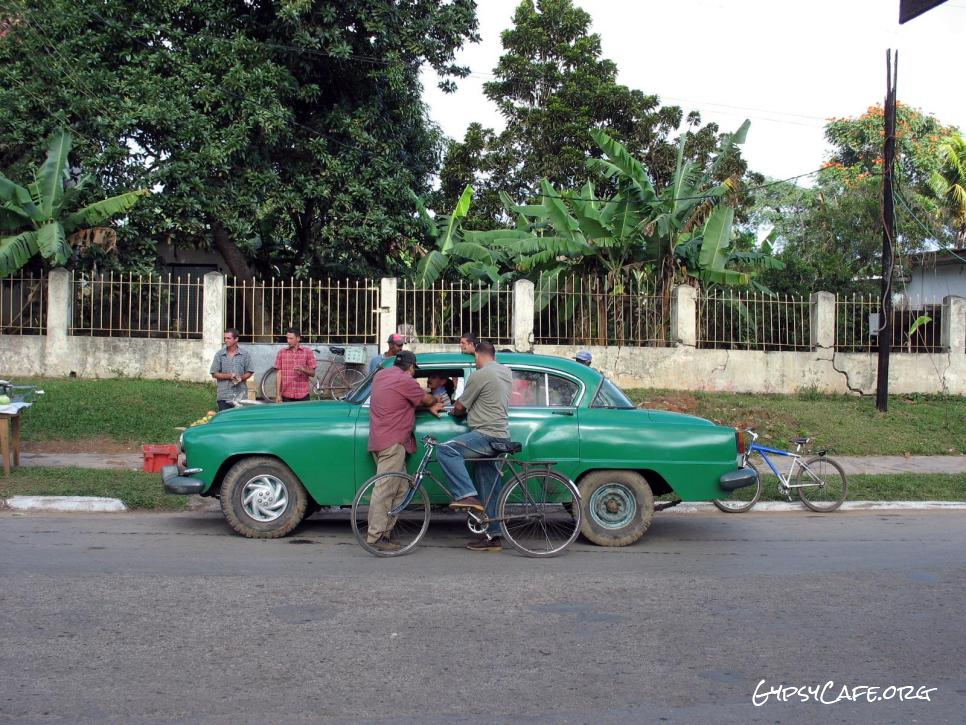
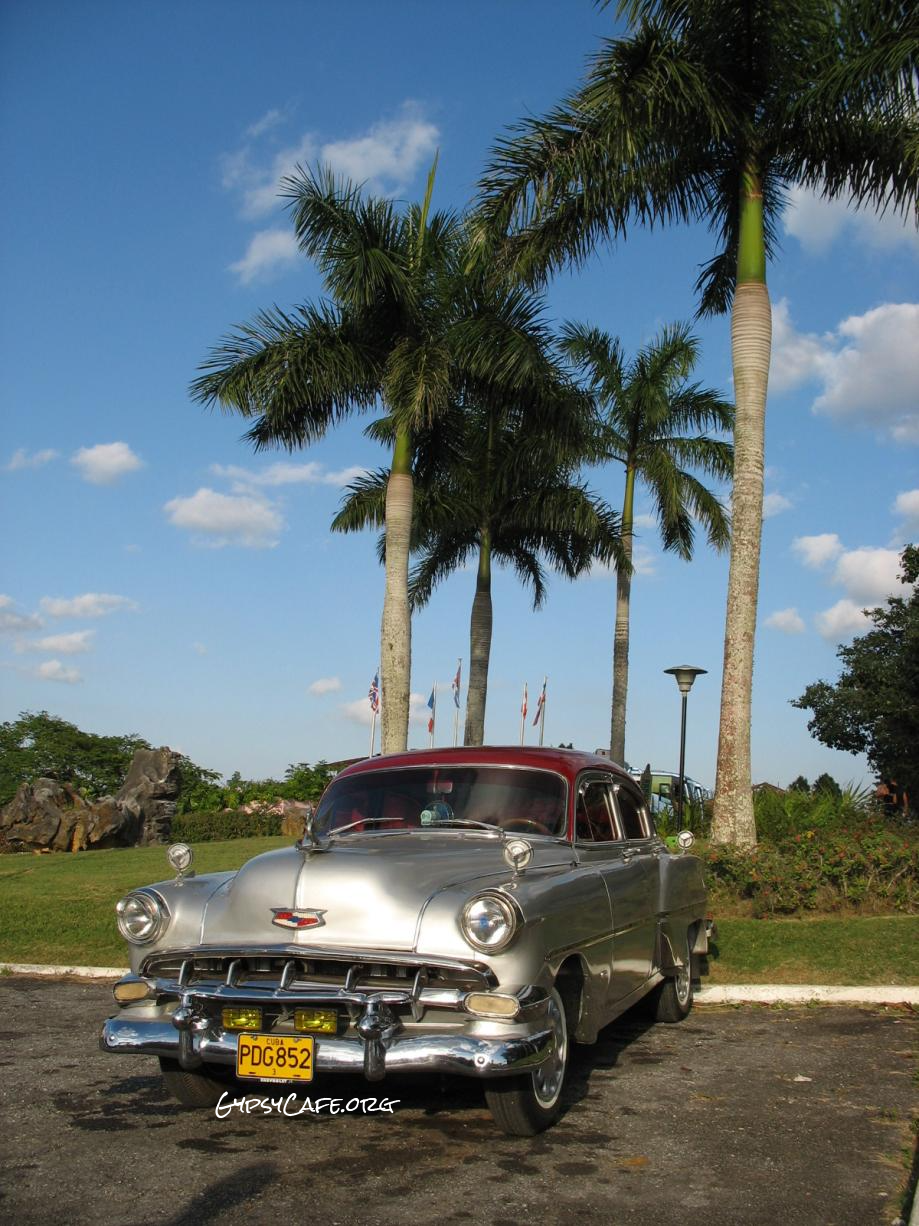
[Notes: 2006/2007] Outside the airport I handed my transfer voucher over (as advised by the Spanish school via the travel agent) to the driver of a flashy yellow Panataxi, a year 2000 model at least. So much for this country being stuck in 1956, I thought. It is a 25 minute drive into Havana and with all our windows rolled down the warm sweaty air was thick and had the smell of gasoline and diesel. The reason for that was that immediately as we left the airport, we encountered model upon model of museum piece cars and motorcycles, spluttering and rolling along noisily on the motorway.
This was totally surreal and no matter how much you have heard and read about the embargo and how Cubans had to find innovative ways to keep these cars on the road, it needs to be seen to be believed. I did my best not to stare too much and to remain relaxed, so as not to show that I was totally blown away by this visual experience. Many cars are really oversized there due the era they were built in and in some cases they were jam packed with seven or eight member families on a Sunday night drive to somewhere, listening to loud Cuban son music and flashing smiles at us.
A couple of the motorcycles had two passengers behind the drivers, no helmets required. Pedestrians were leisurely crossing the road from all angles, with cars swerving to avoid people by an inch and this cat and mouse game continued all the way into town. Many of the Pontiacs and Cadillac’s were elevated due to oversized wheels with different combinations of patchwork paint, while others were in immaculate condition. It was a full sensory experience with the heat, the noisy engines and music, the heavy smell and the sweat trickling down my back.
The driver handed over a Titanes Cigarrilo, “100% Tabaco Negro Cubano” as it said on the pack and I handed over a Benson & Hedges Gold, “UK Tax Paid”. This was definitely not Benson & Hedges country though. It was already dark when we drove through Habano Centro and dropped off the other passenger in the car at the Hotel Inglaterra, the oldest hotel in Cuba after which the driver drove into the suburbs to drop me off at the Spanish school where I would also stay for the first week.
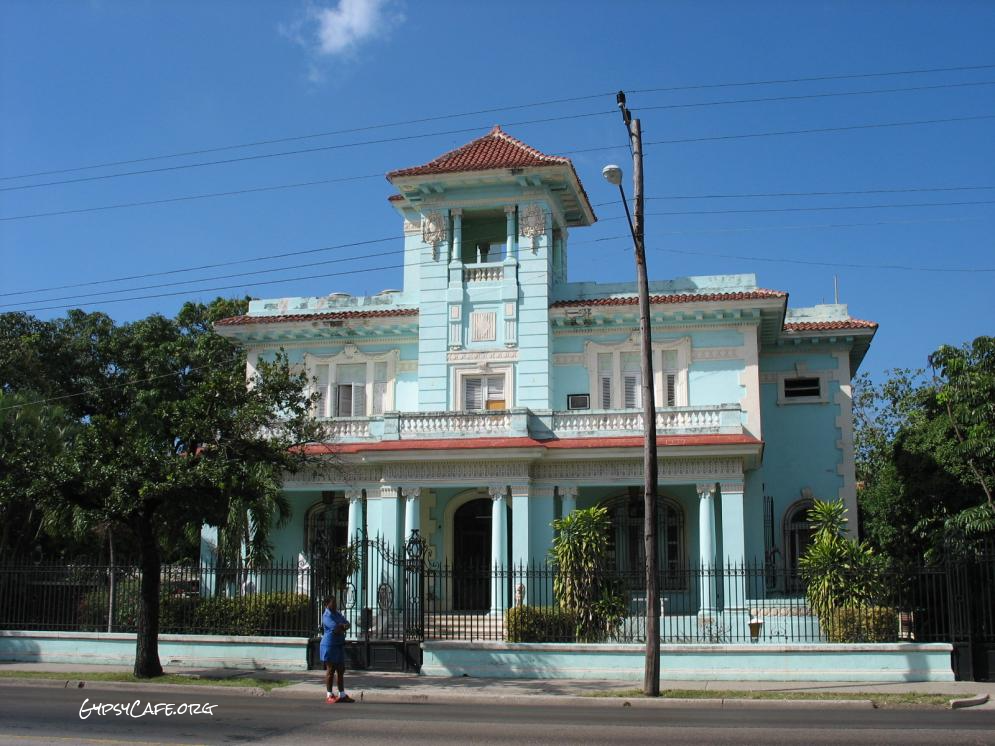
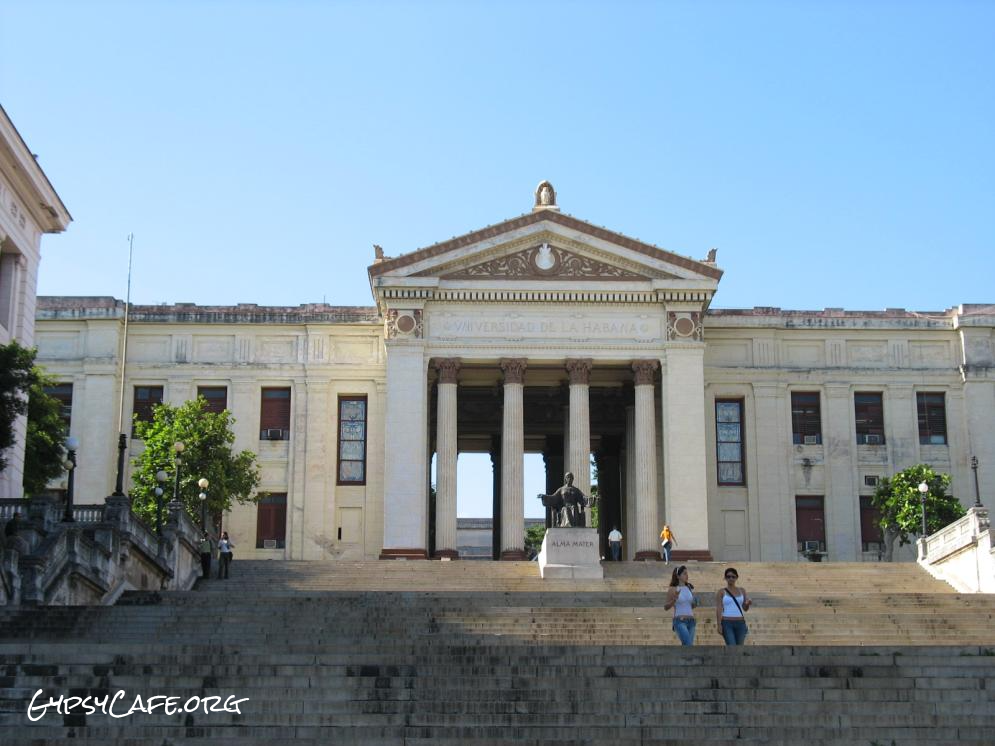
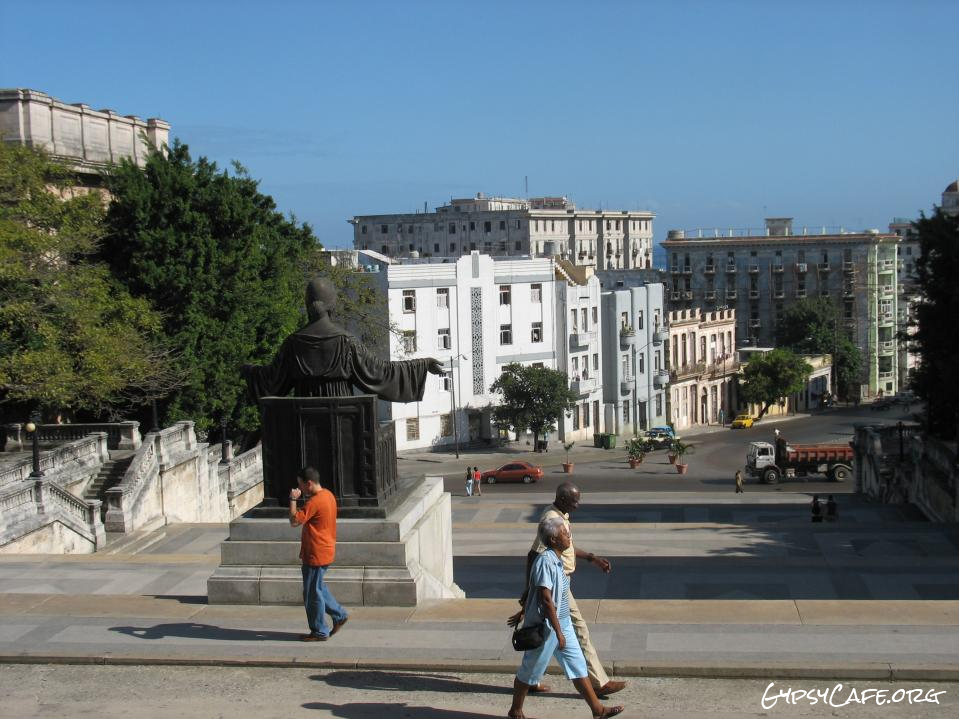
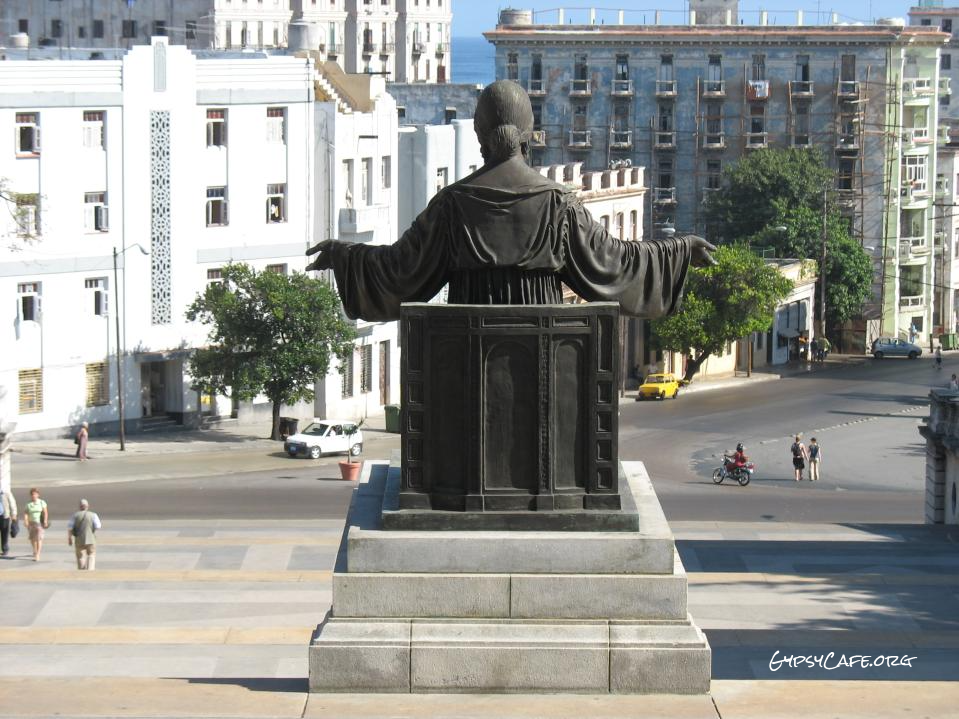
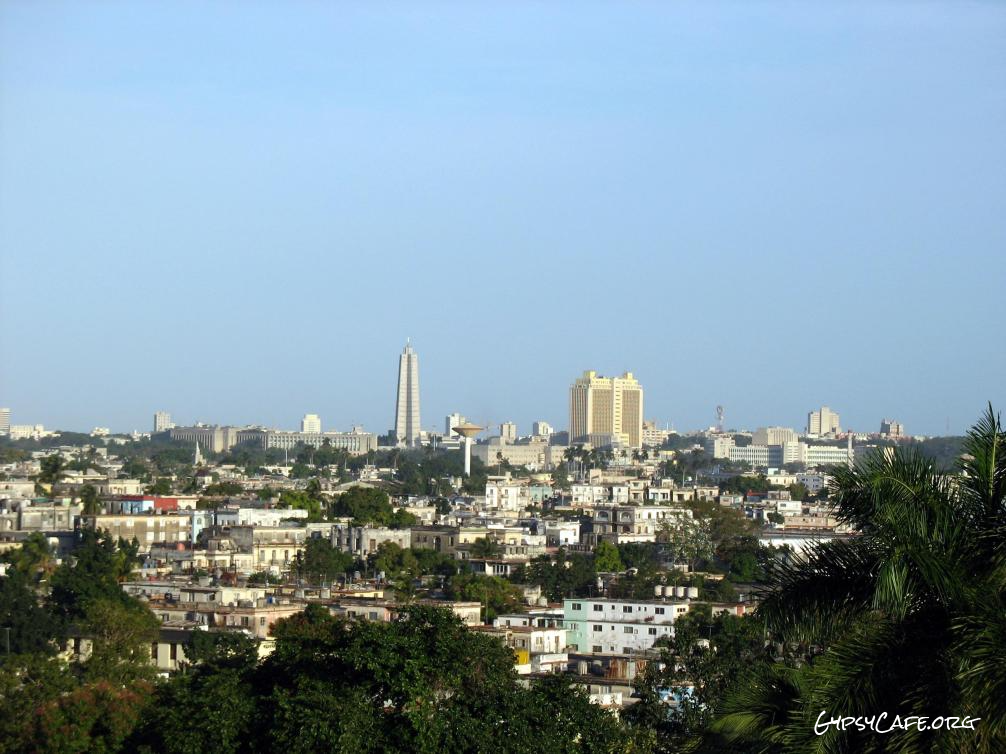
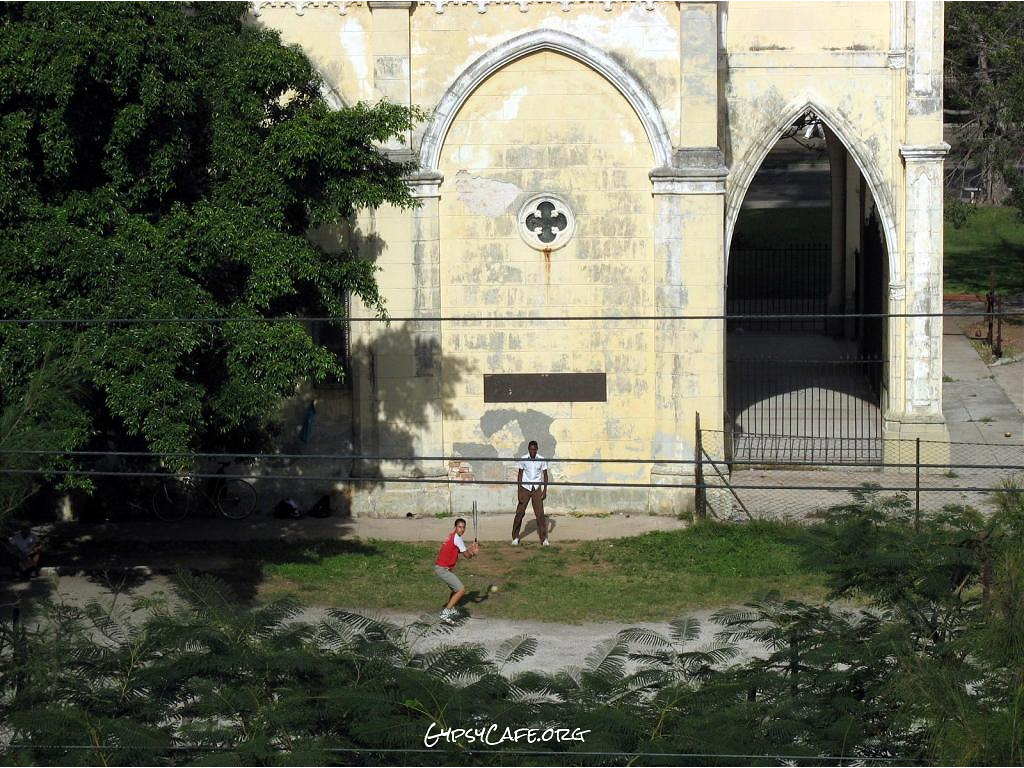
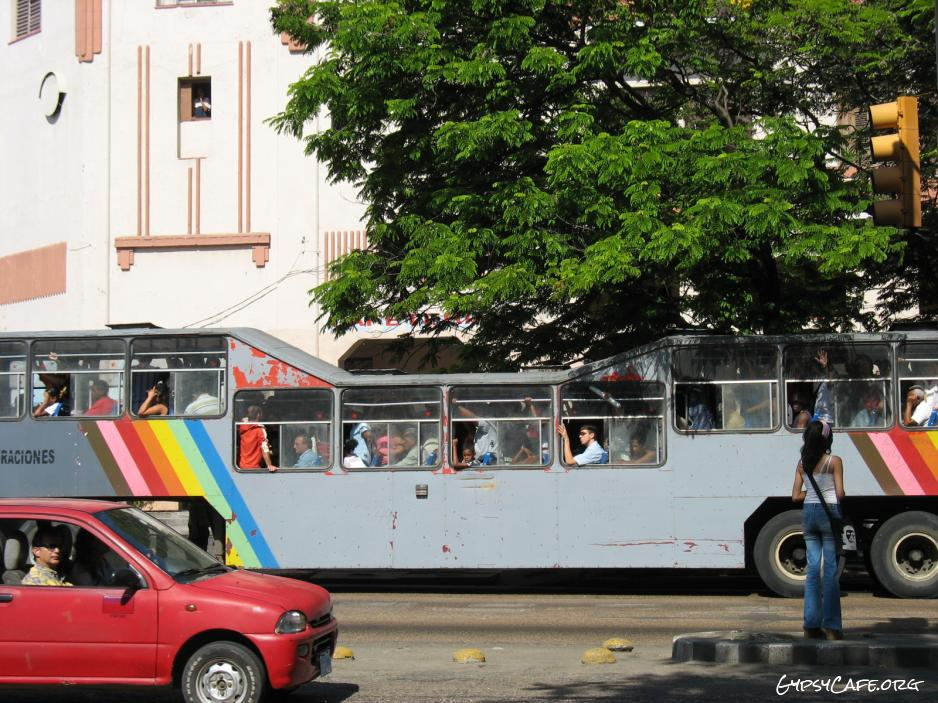
Havana – Outside the Centre:
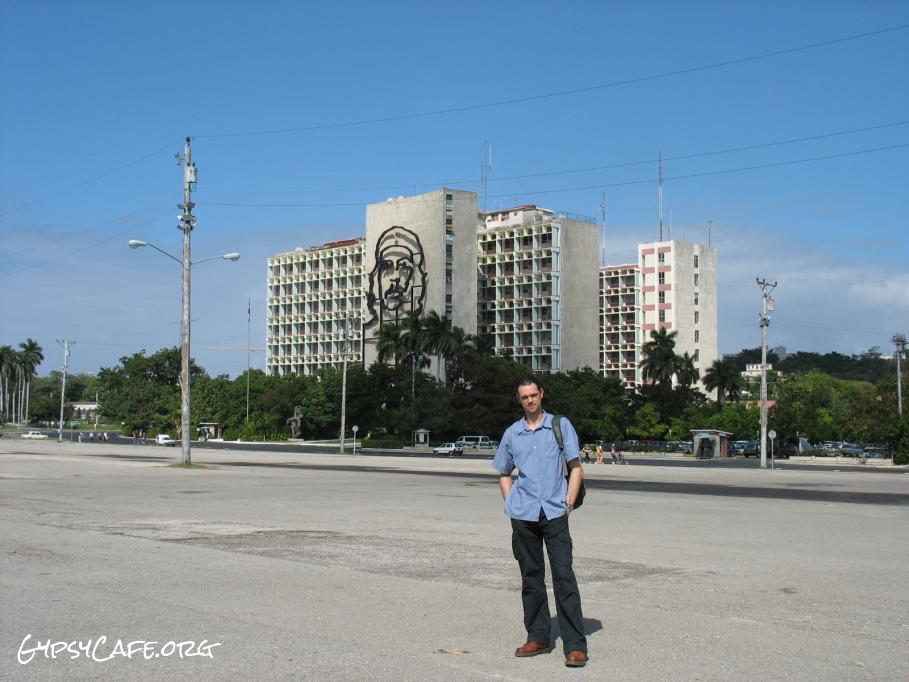
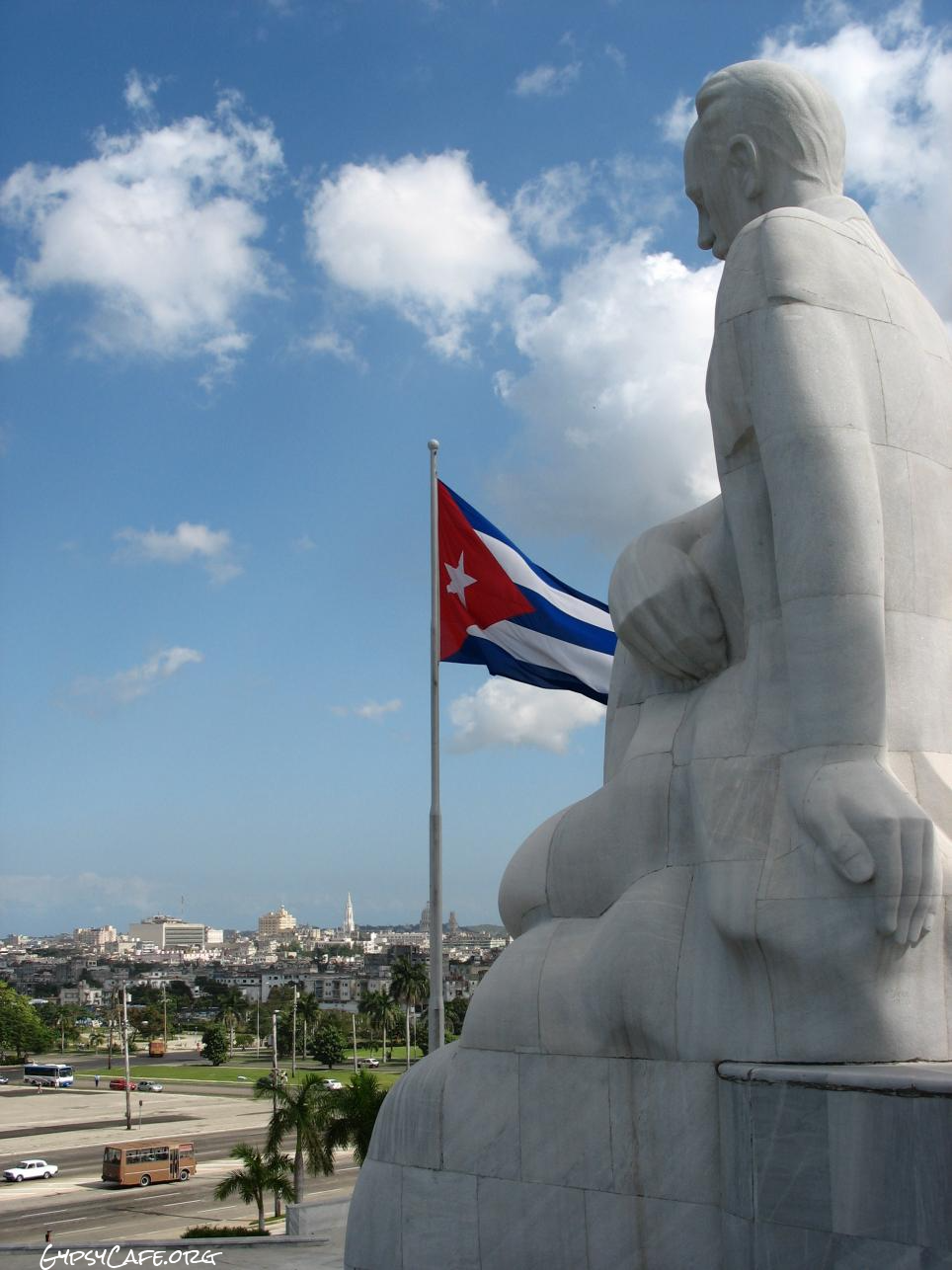
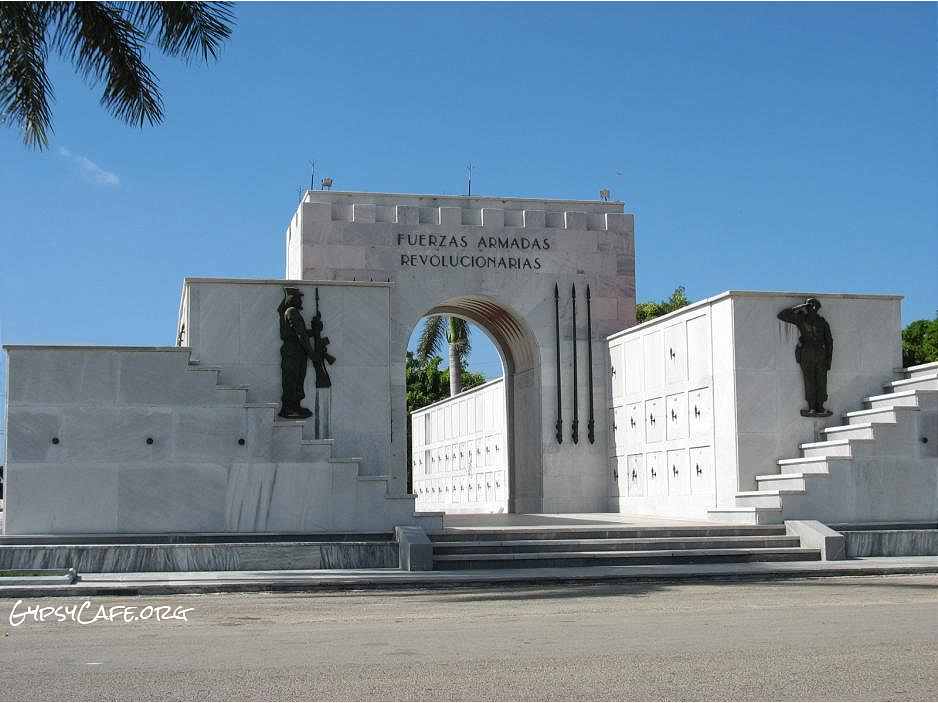
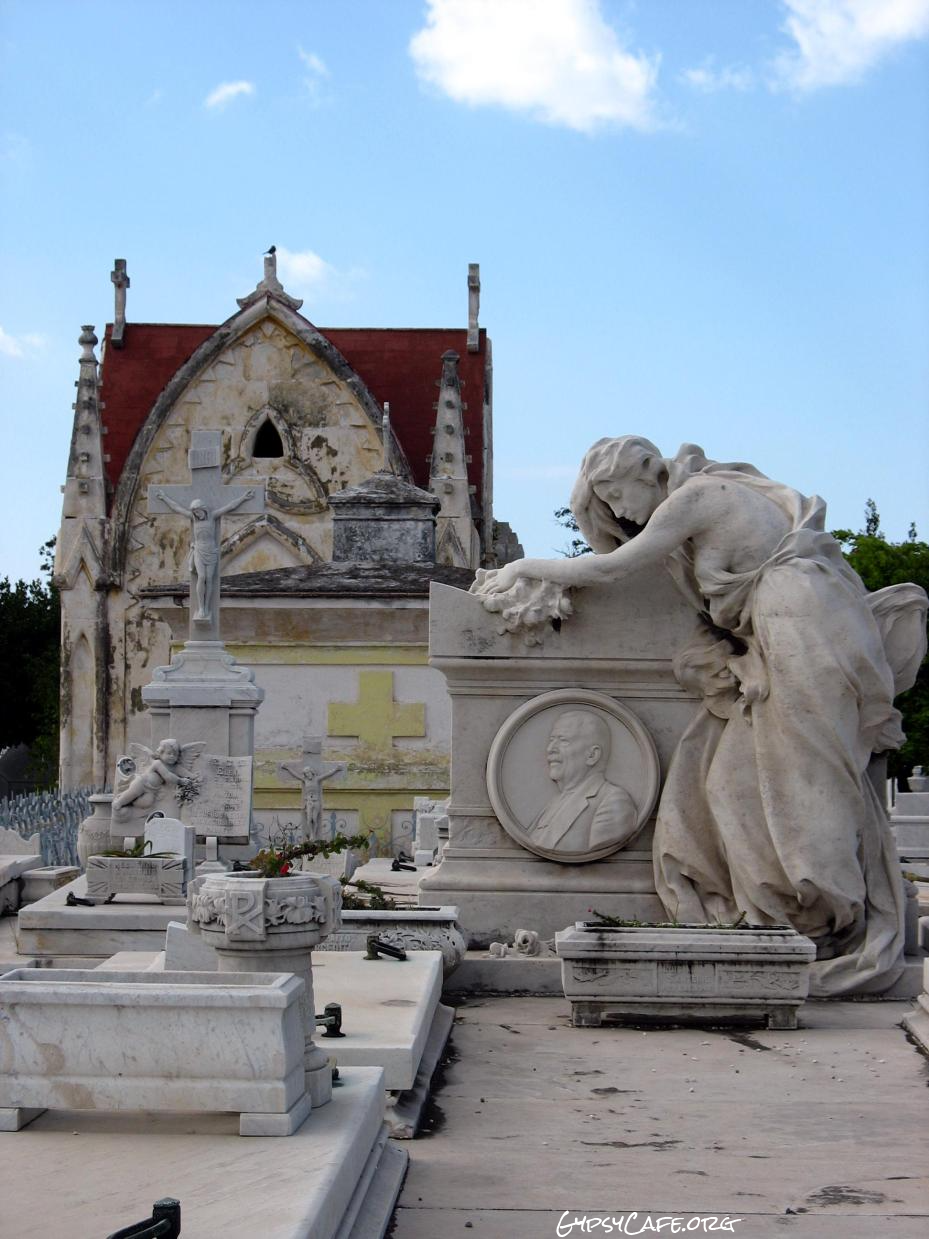
Observations and Reflections
[2006/2007] Cuba is a country of paradoxes. Twelve days in total are not long, but enough to have noticed this on several occasions. First of all this is a country unlike any other. Its history, political make-up, geographic location and its decades-long international isolation have naturally been contributing factors. Then, most importantly there are the people of Cuba who are some of the friendliest, welcoming and warmest people that you might ever meet. Besides the fact that they are generally very poor in terms of Western standards, people are educated, well-informed, open to communication and debate and have a great sense of humor.
In spite of what perceptions may be, people do love their country and are very proud and patriotic. There is a very strong sense of community with families being close and everyone personally knowing all their neighbors, which is not a common feature of the modern developed world that we live in these days. Of course, circumstances in Cuba are not the best and even with all the free health care and education, many people would like to have the option to leave, in order to better their lives.
The influx of wealthy tourists, who flash their money around, could not be making it any easier, for people who realize they cannot achieve such wealth in their own country. Officially Cubans can only travel abroad in exceptional circumstances. If they do leave unofficially, they are not allowed back. There is dual currency system, one for locals which is the traditional Peso Cubano and one for tourists, the CUC or Convertible Peso, which has a value in the region of the Euro. Cubans can only earn and use the Peso Cubano.
For me a paradox was that that here we have a fully blown socialist system that allows foreign tourists to enter, have a good time, talk with its citizens – and then go back to report back [whether positively or negatively] …
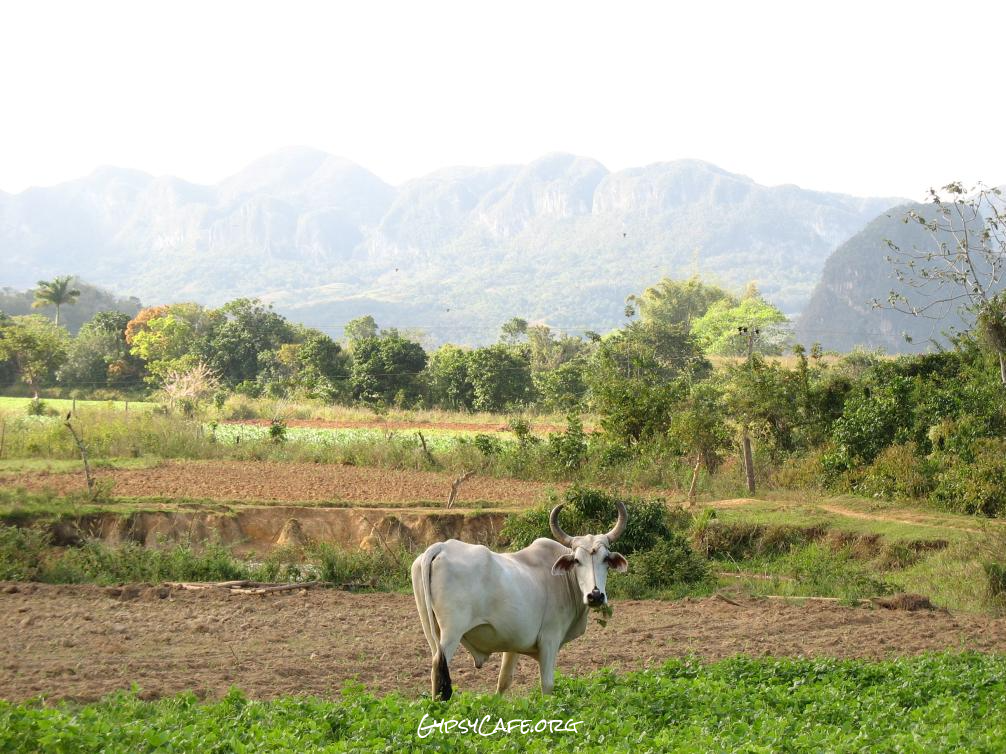
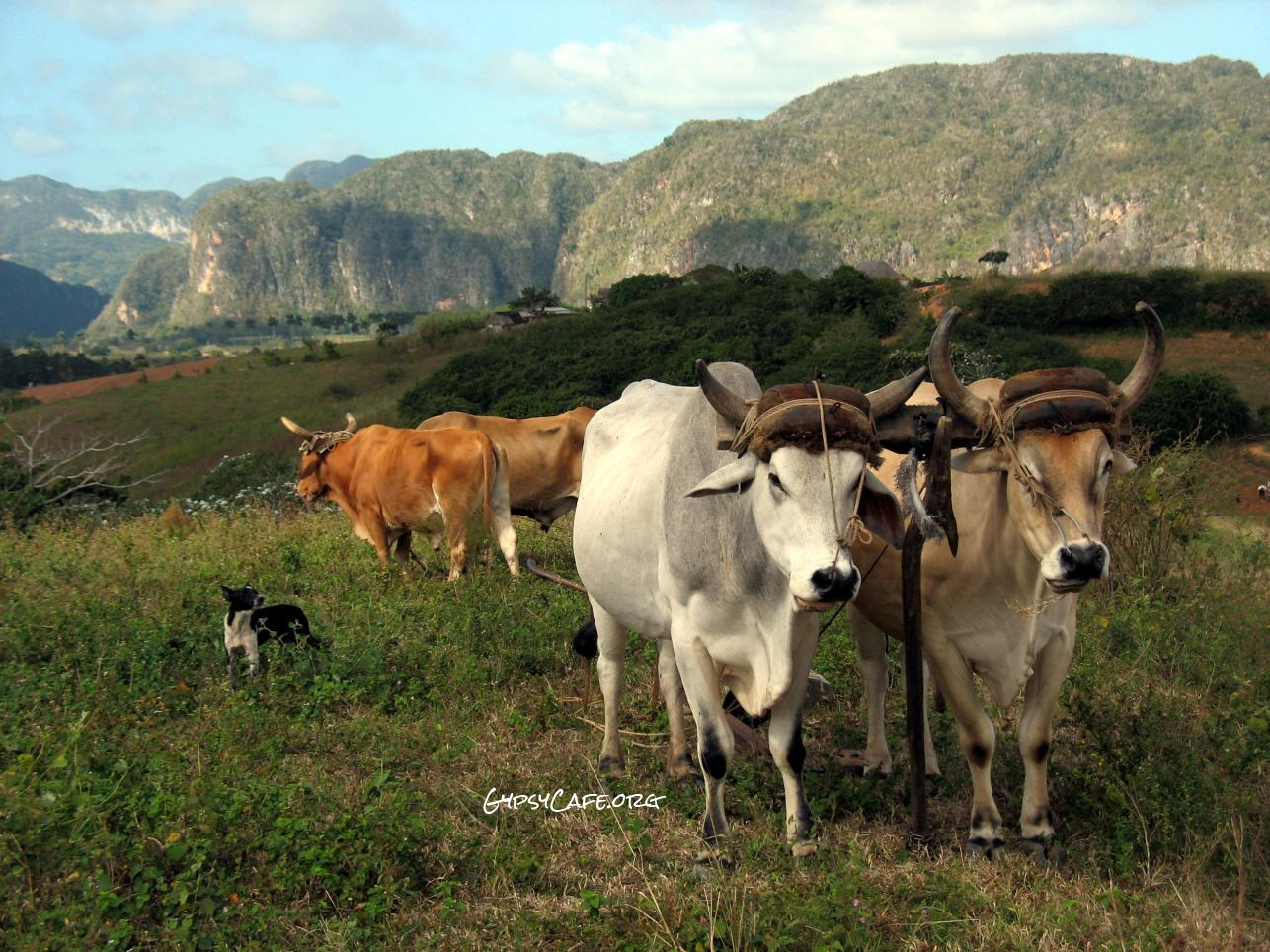
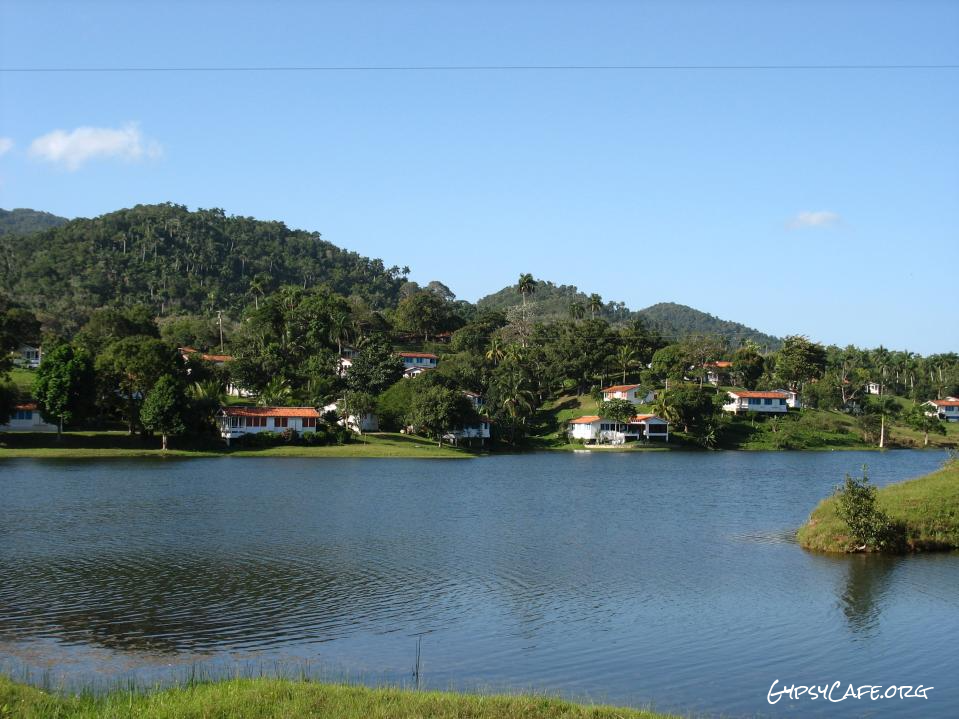
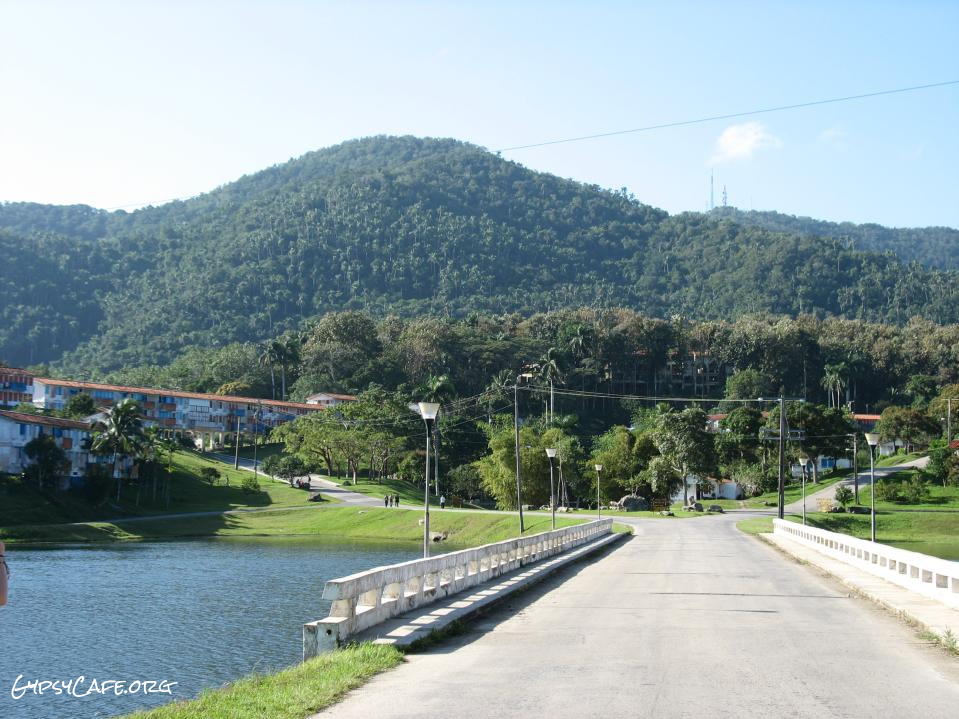
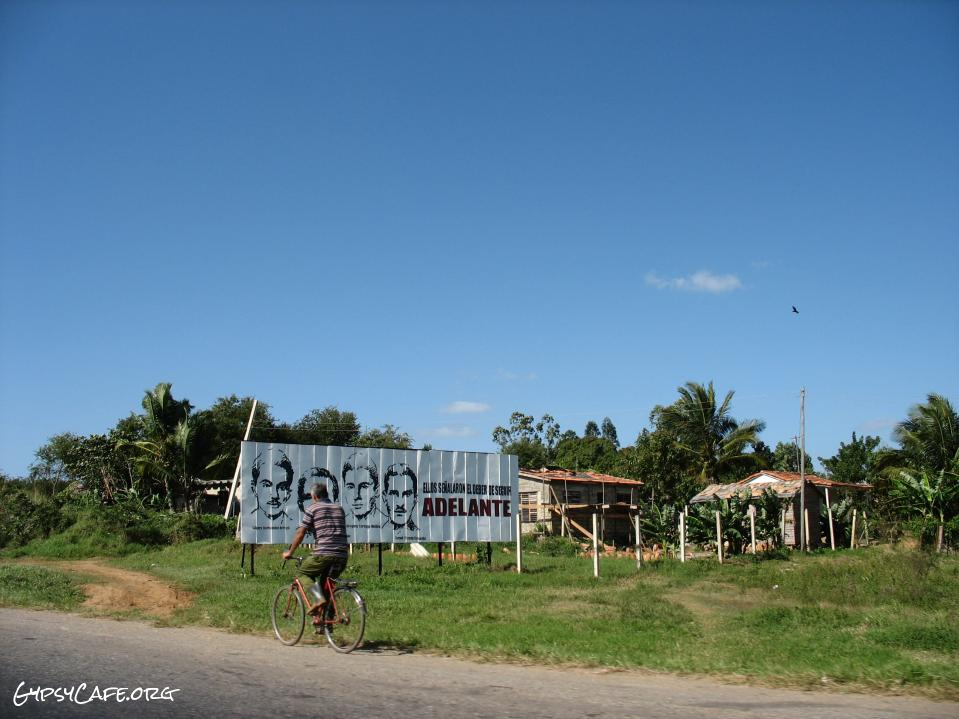
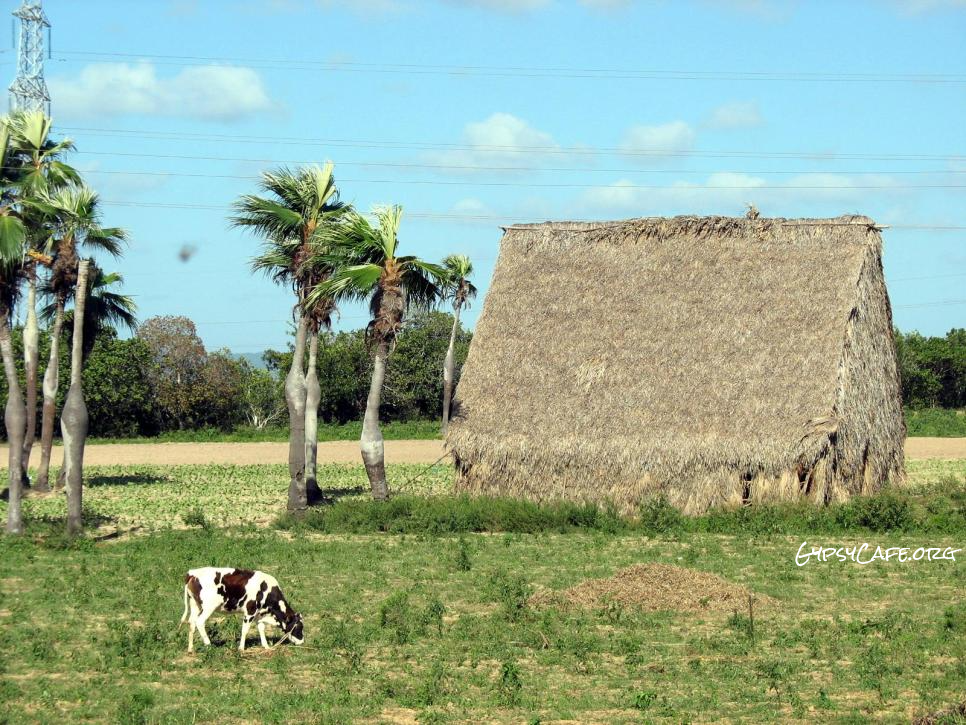
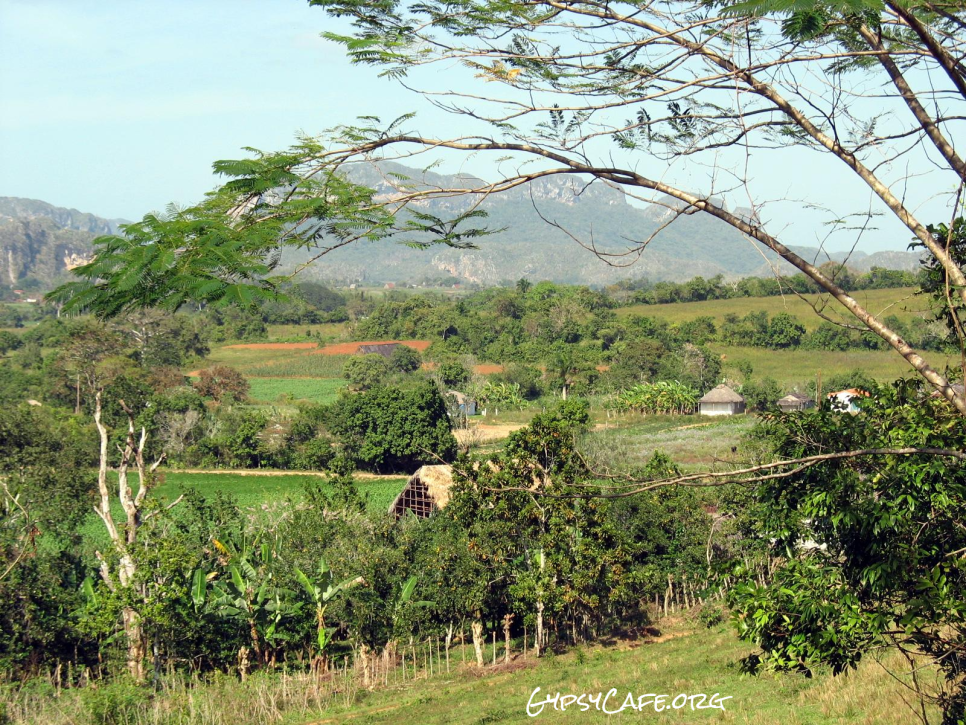
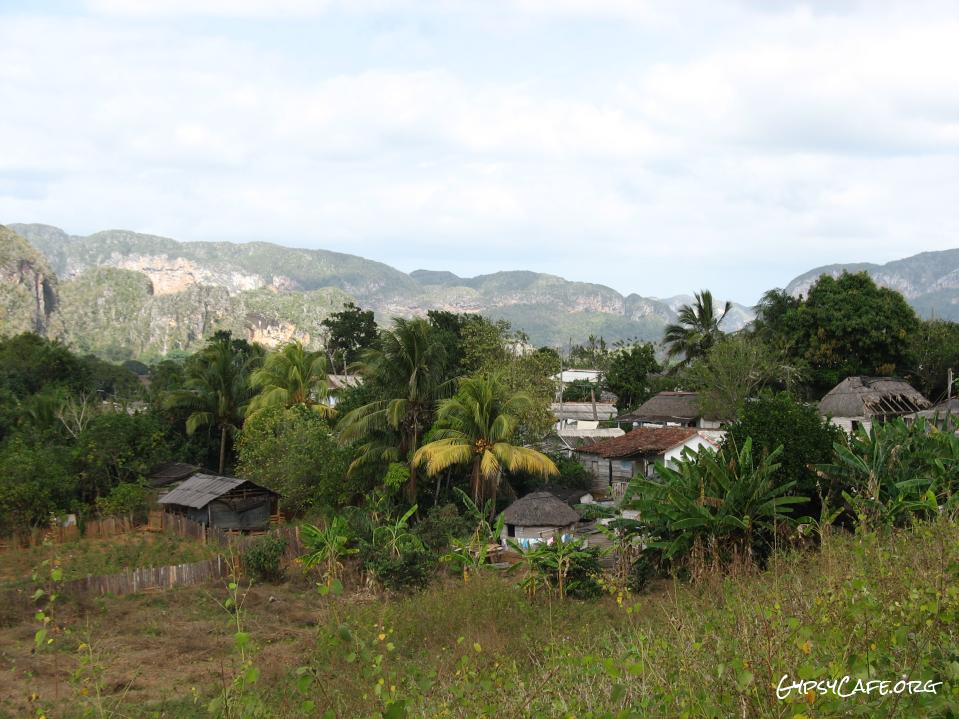
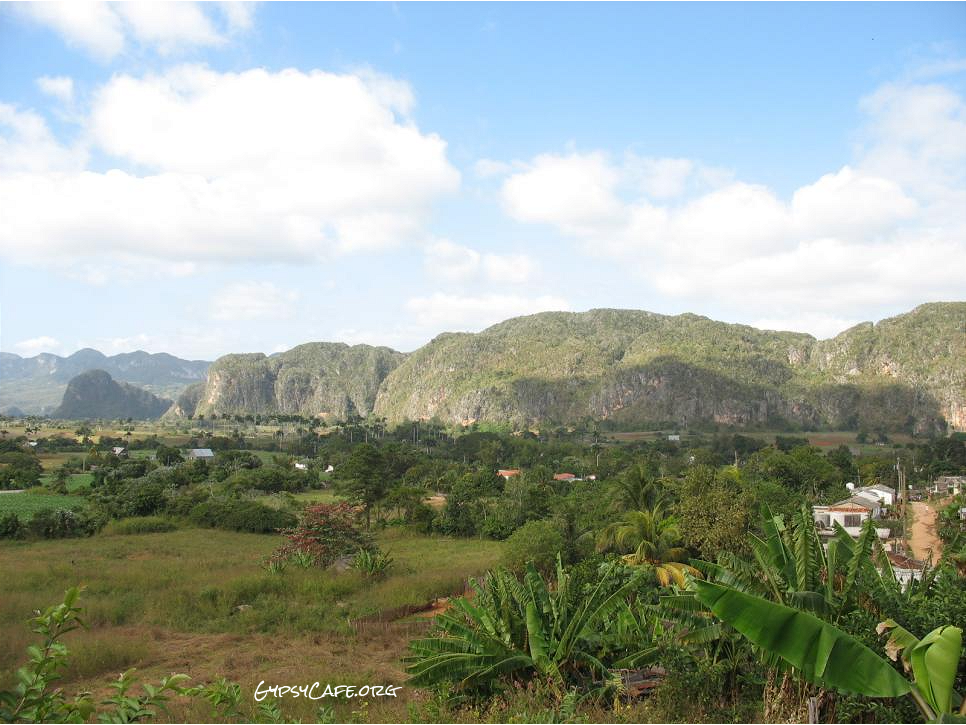
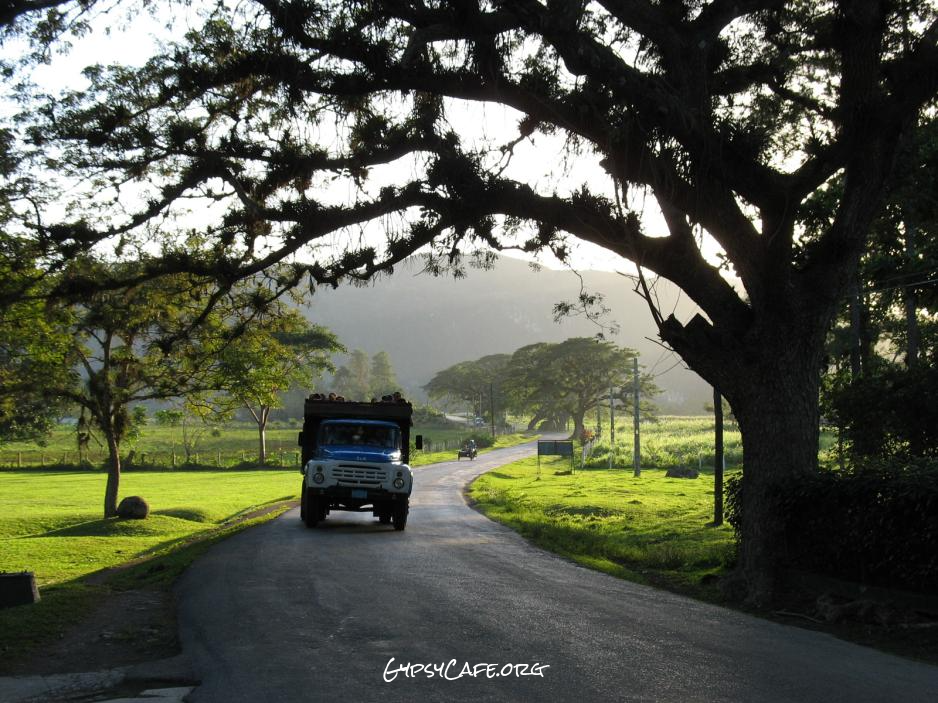
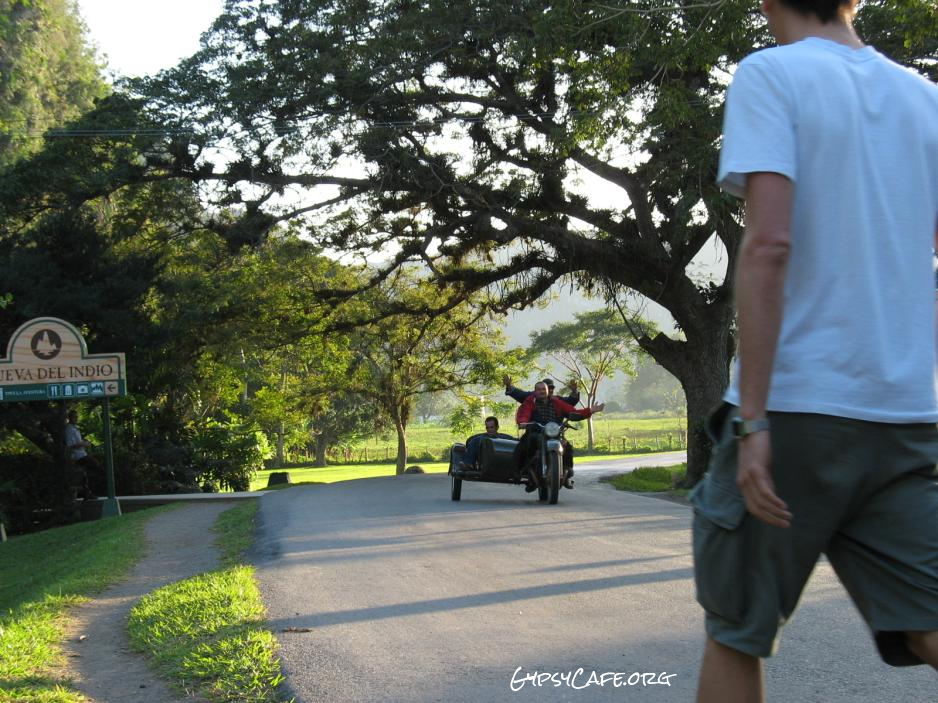
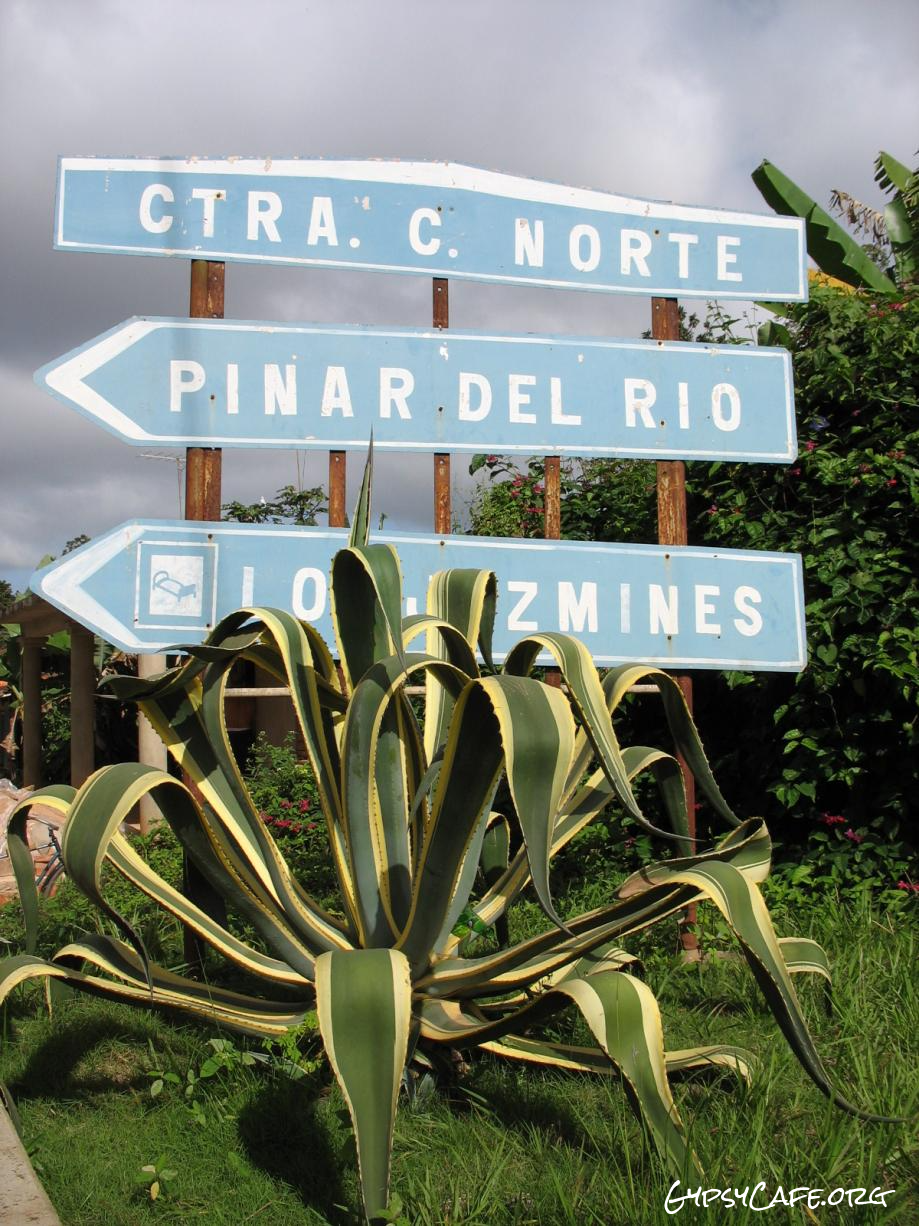
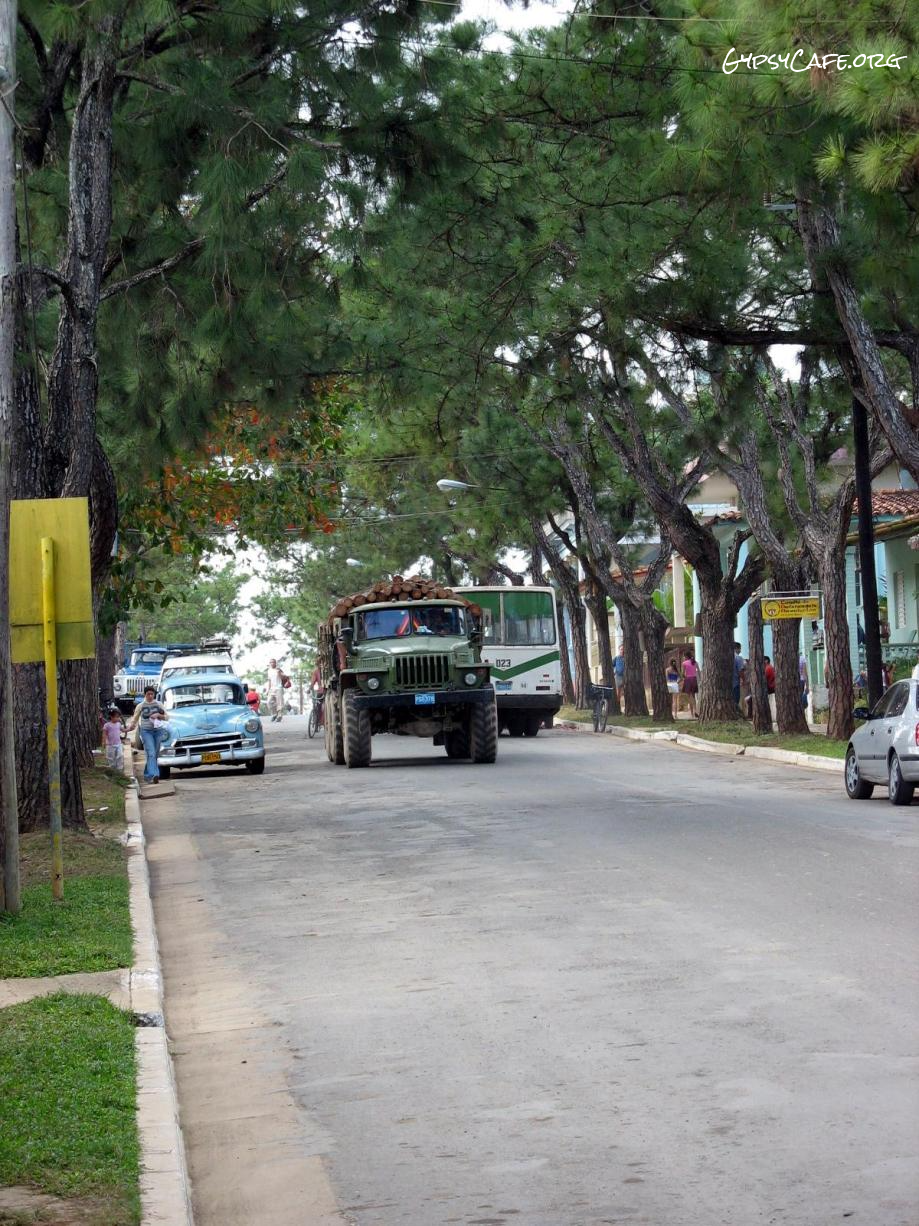
The Cuban Countryside – Vinales and Pinar del Rio:
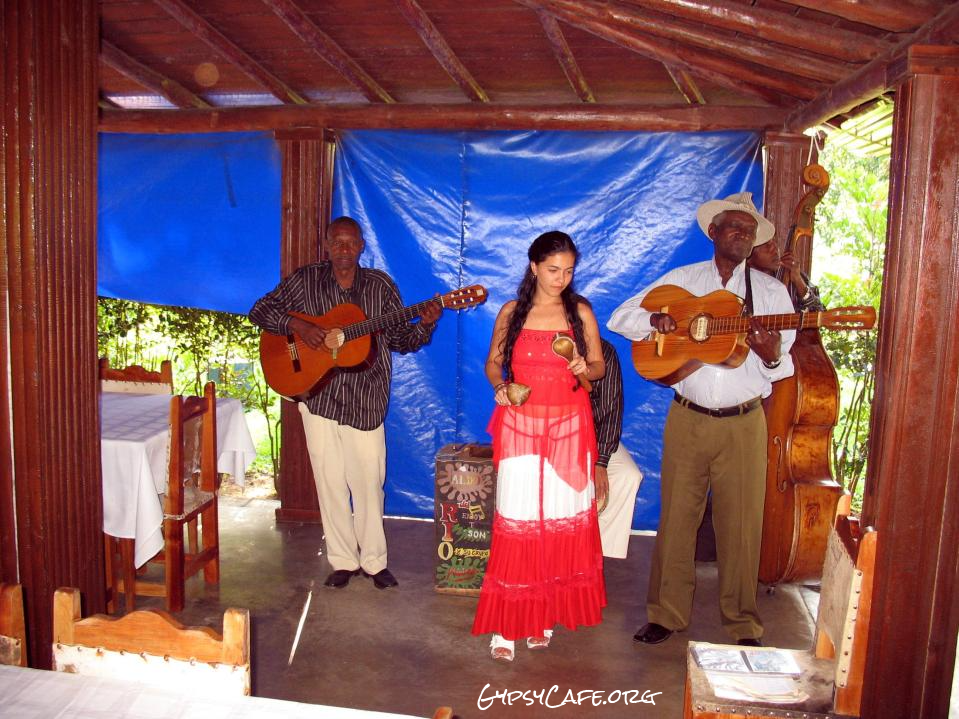
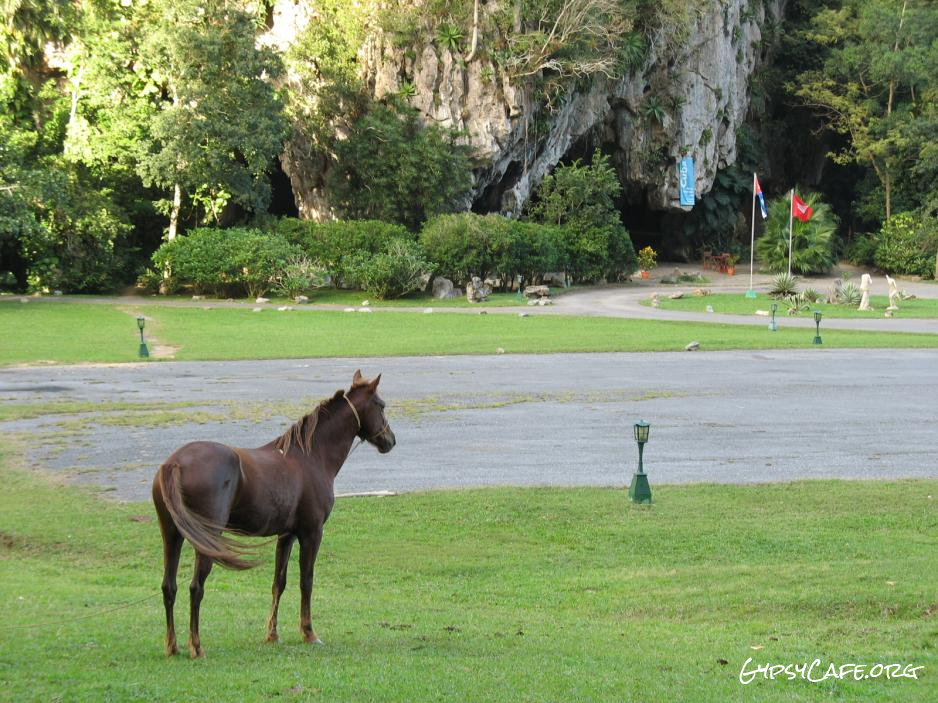
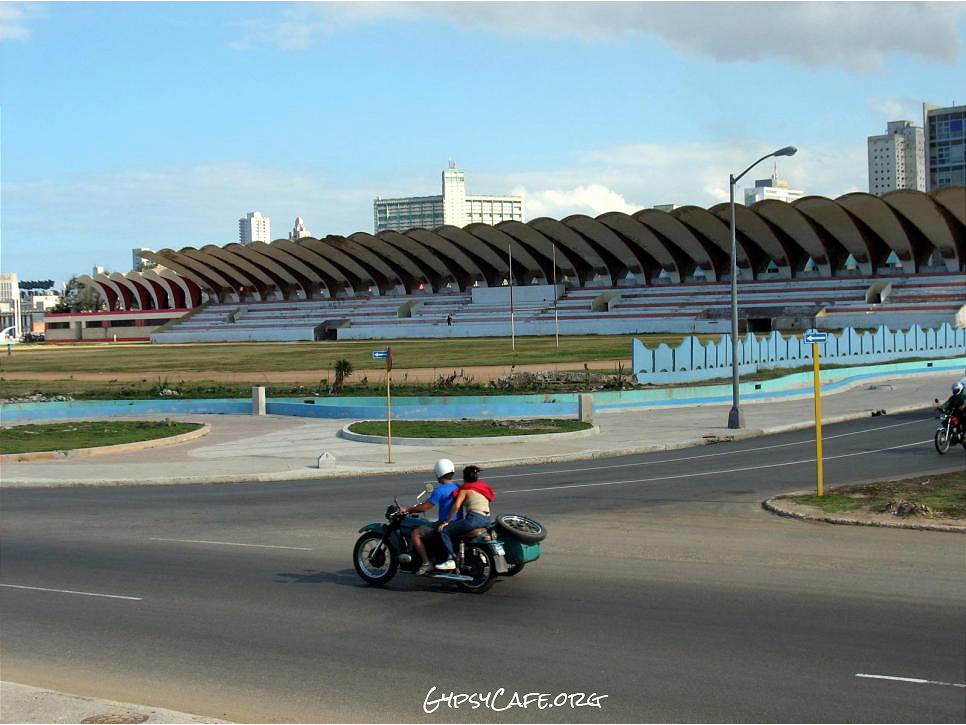
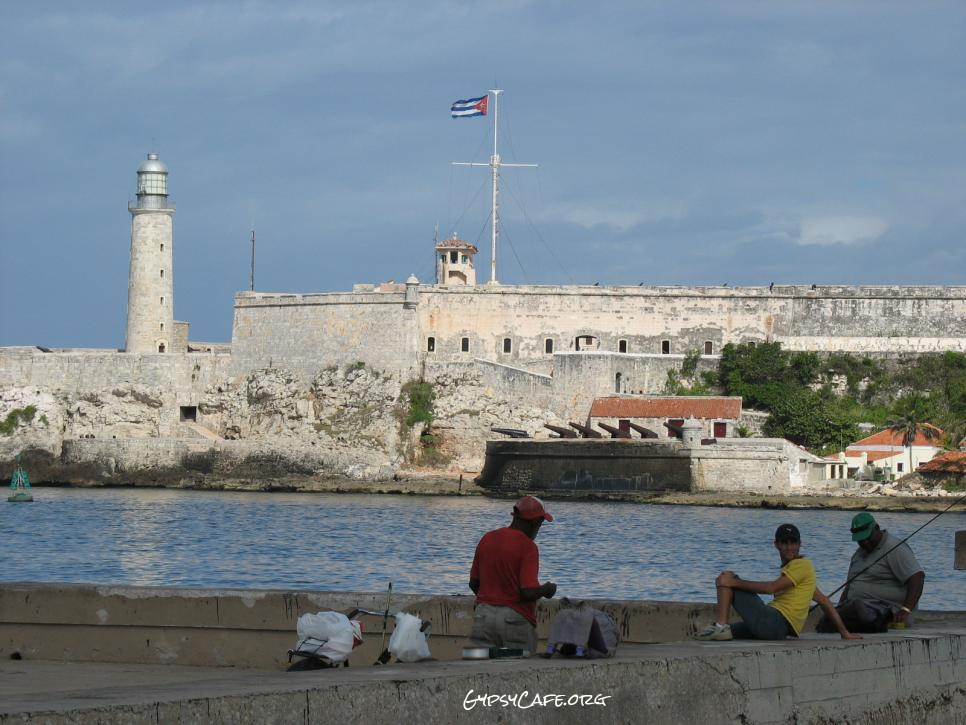
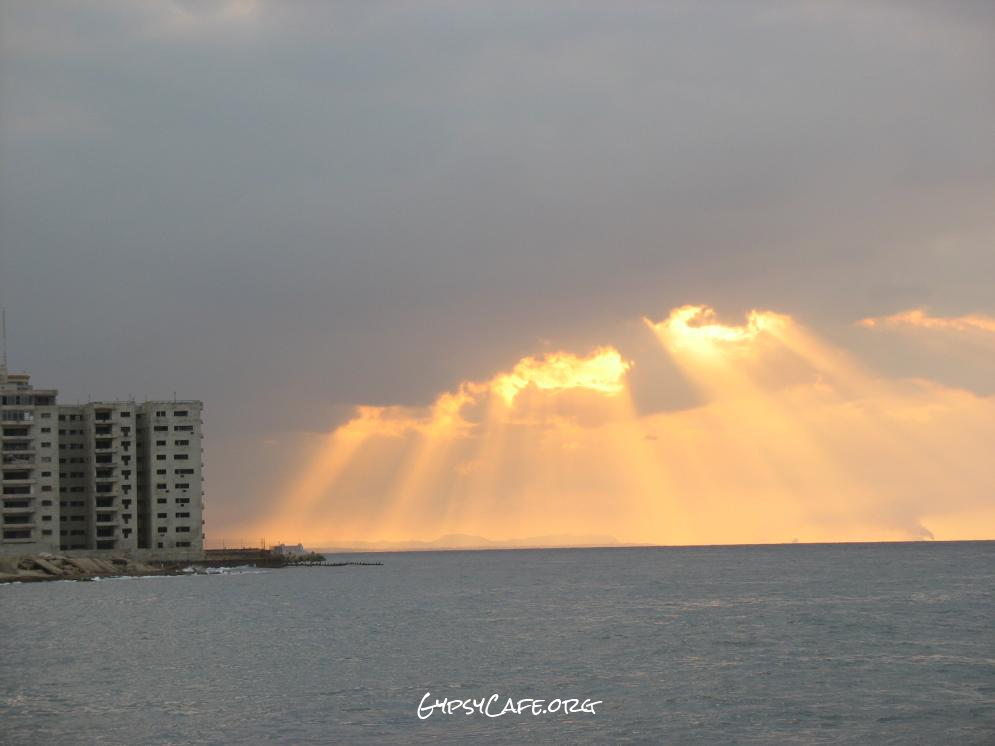
Havana – Malecon Views:
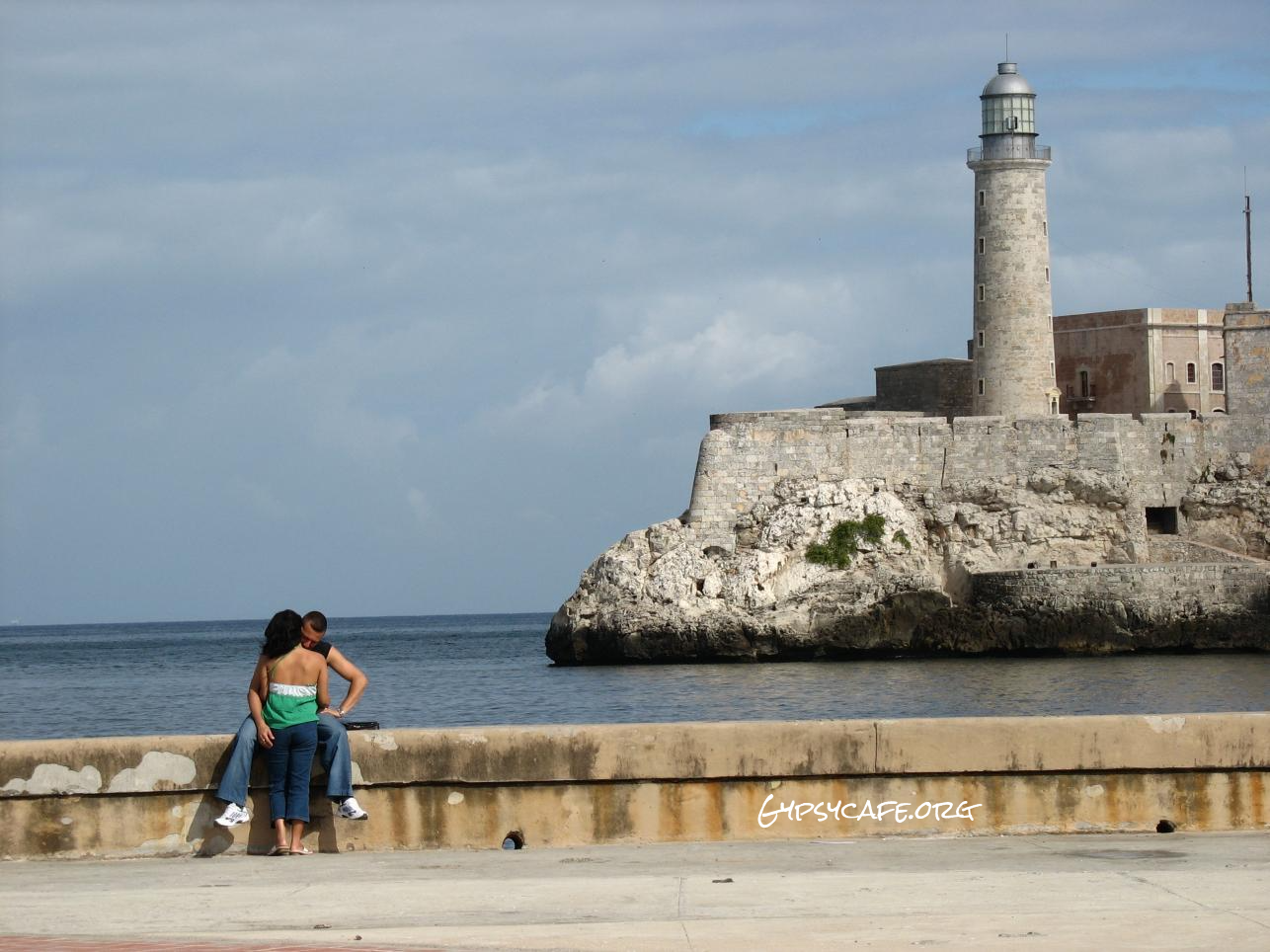
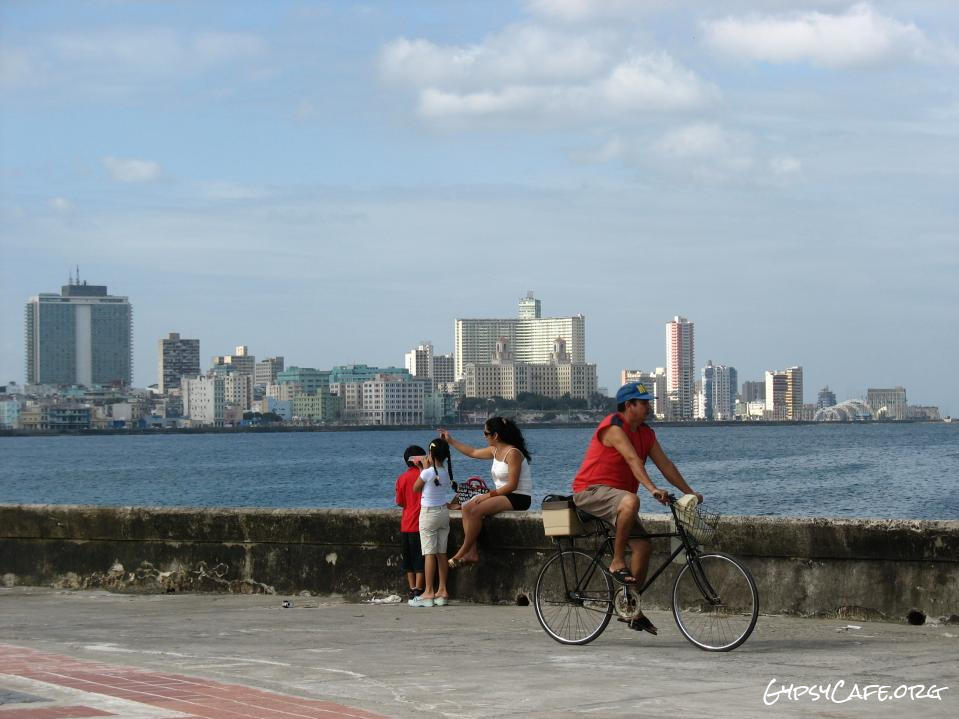
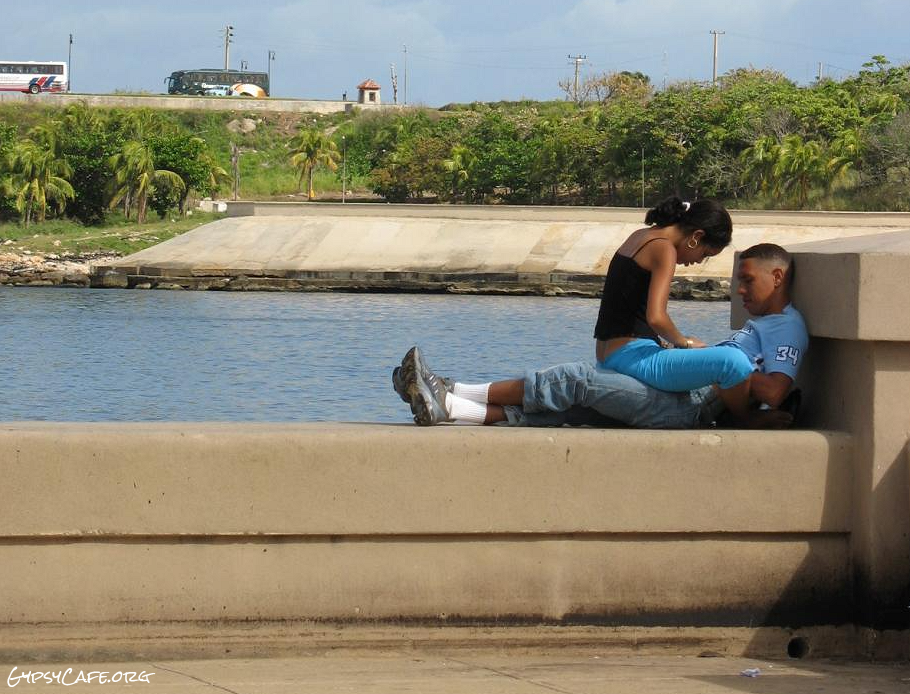
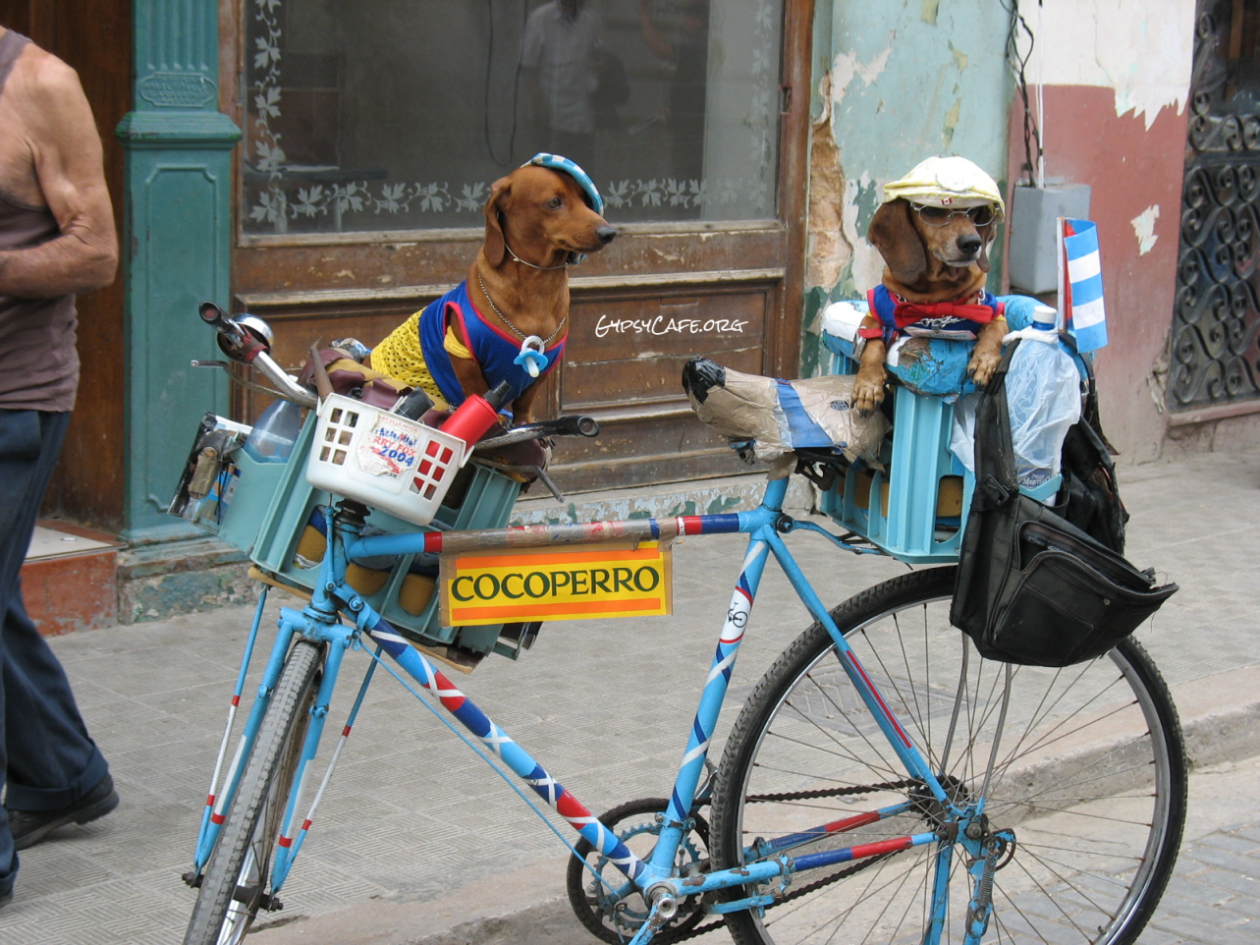
Meeting the locals + Meet the photographers
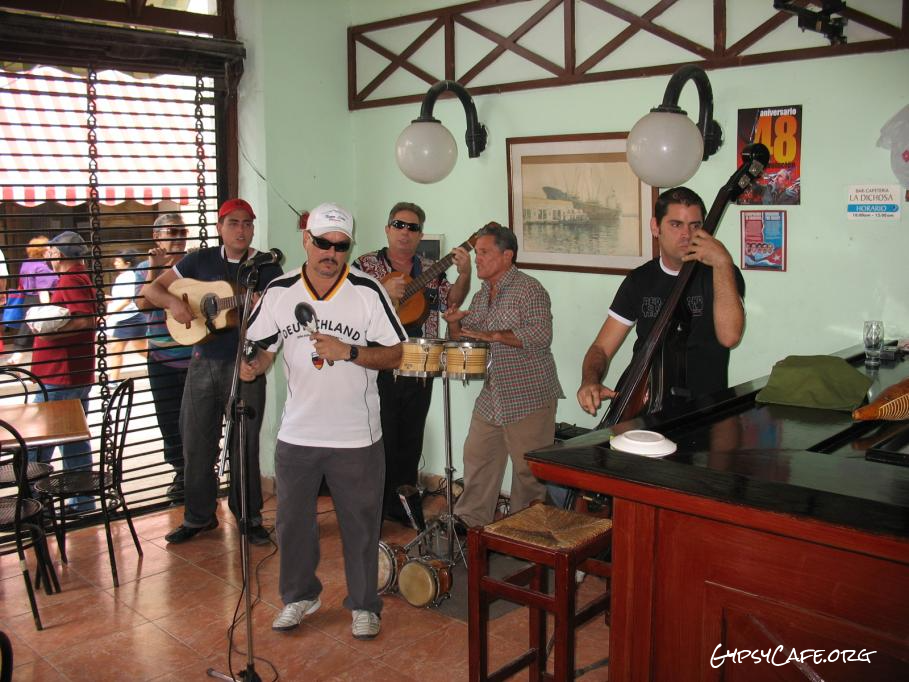
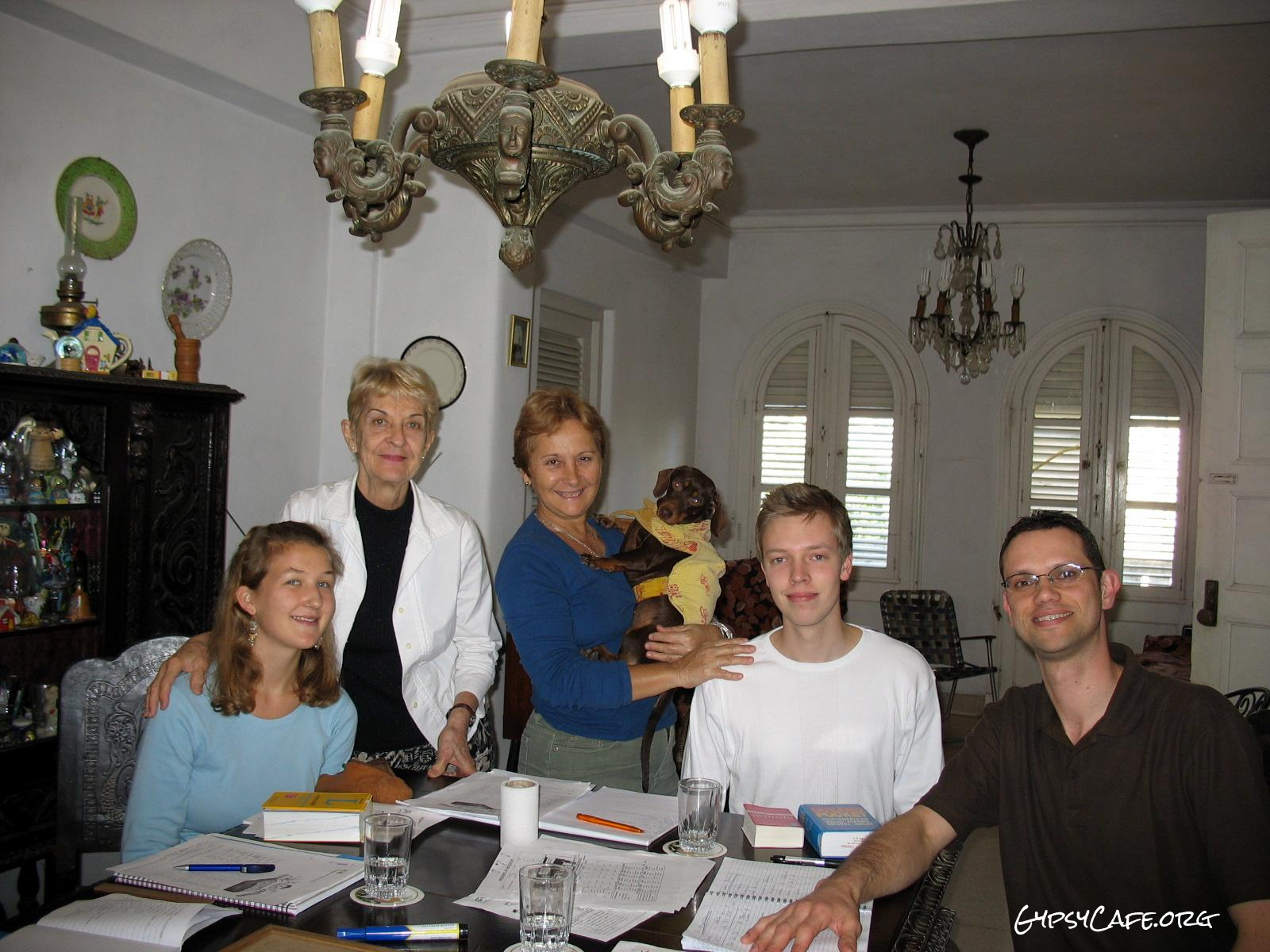
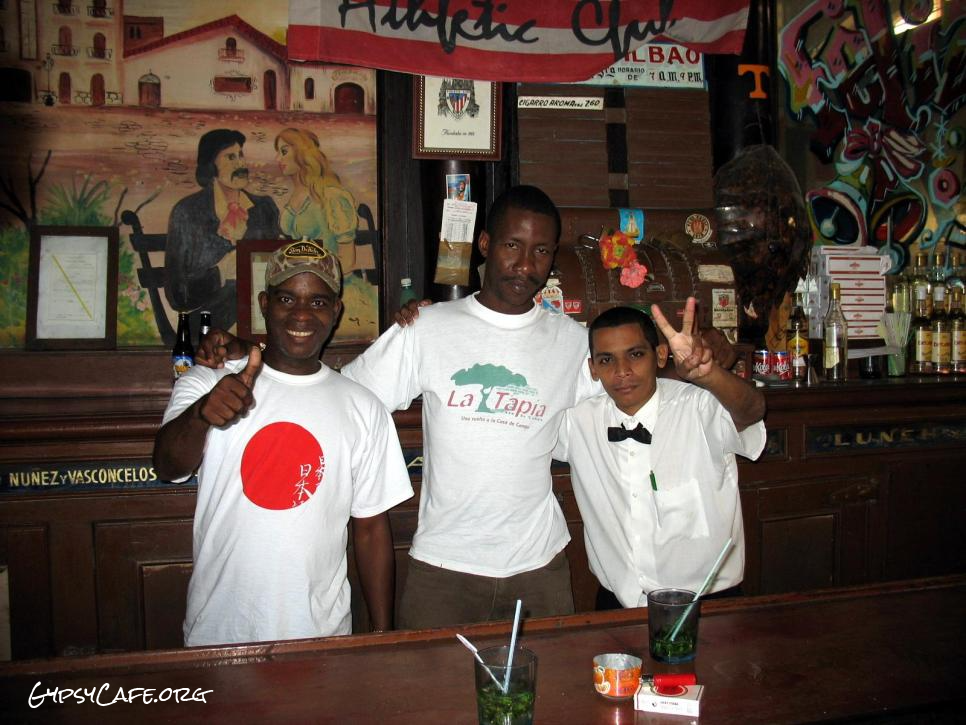
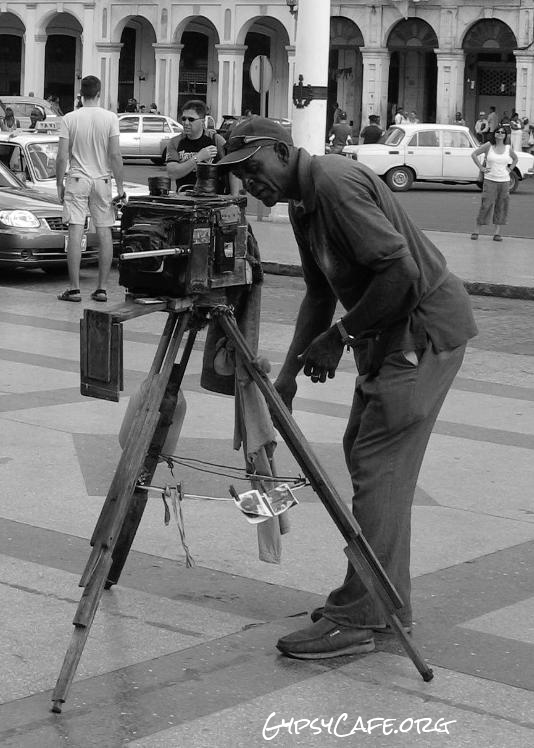
There are many fascinating layers to the island of Cuba which are beyond the scope of this travel post (for reasons explained at the top) but additional details may be added at a later stage.
Thank you for joining us!
By Jean-Jacques @ Gypsy Café
23 May, 2026
[Note: All photos were taken in 2006]
Copyright 2026 © All Rights Reserved. GypsyCafe.org

4 Comments
A beautifully thought out piece, Jean Jacques, and I really like your label “EduTravel” – truly the best mindset to have when visiting any country, especially one like Cuba, wrapped in layers of myth and paradox. You tap into how an unbiased mind can learn from the people, their culture, and the beauty of the lives they live and enjoy. For many of us who grew up seeing Cuba as forbidden, it became all the more romantic over time – those classic cars, the stories, the Hemingway aura.
Your mix of archival notes and images makes the 2006 Havana streets, countryside, and those surreal classic cars feel like a place I dreamed about—but it’s your reflections on community, dual currency, and restrictions that bring it sharply to life (then and perhaps even more so today). I like the way you let the photographs and your original impressions carry this post; a powerful example of how travel is wrapped in adventure, with the real prize being education, especially for those who seek it.
Thank you Randall. I felt the photographs and the experience deserved a space on my site considering that I had sufficient notes and pictures to tell the story. This post mainly serves my current need for reminiscence about past journeys.
My general mindset is that all my travels are educational and it’s rare for me to simply travel for ‘vacation’, but this particular experience (among a few others) was very oriented to learning from observation and experience.
It was still a touristic experience, though, and I think the notes reflect that (and I promised a post from a tourist perspective in the Newsletter ).
So, I wanted to keep it light as there is a fine line between that aspect and veering too much into the political side of things with regards to observations (I excluded some pictures for this reason too).
I could still expand much more as I have a bunch of short notes on file that I didn’t write out and as far as paradoxes go there were loads more (very interesting ones!). Perhaps I will add them later.
All in all it was a very rich experience and I learned a lot (and the experience is till very fresh in my mind). I actually misjudged just how intense the Spanish course would be and the first week was quite stressful as a result, but the last few days were much more relaxed and I’m still surprised by how much I managed to fit in.
Your comment is a perfect summary and I especially like your ending words: ” … a powerful example of how travel is wrapped in adventure, with the real prize being education, especially for those who seek it”.
Yes, and the romantic, forbidden aspect, as well as Hemingway, played a big role too!
Wonderful Collection!!
Thank you Jyothi! 🙂